

Illustrative older adult speaking directly with a clinician in a calm consultation setting
Specialized Care

Gentle Dentistry for Anxious Seniors

Dental care should leave room for your questions, preferences, and pace. Discuss an appointment in Milton that takes your anxiety, medical history, and everyday comfort needs seriously, with a clear explanation before decisions are made.

A closer look at gentle dentistry for anxious seniors

Your experience matters. So does how the next visit feels.

Dental anxiety can stay with someone for decades or begin after a more recent experience. Being older does not make that concern less important. You may feel uneasy about discomfort, losing control of the appointment, hearing unfamiliar terms, or discovering how much treatment is needed after time away from care.

Gentle care begins with a conversation about those concerns and the dental problem you want addressed. Explain what has helped before, what made a previous visit difficult, and how much information you want at each stage. Your age alone does not tell us your abilities, preferences, or treatment goals.

At Milton Dental Clinic, ask about planning an assessment that respects your priorities. We can discuss the reason for the visit, your health history, communication needs, and possible next steps. The aim is a plan you understand, with practical arrangements confirmed before an appointment rather than assumed on arrival.

Discuss a more comfortable dental visit
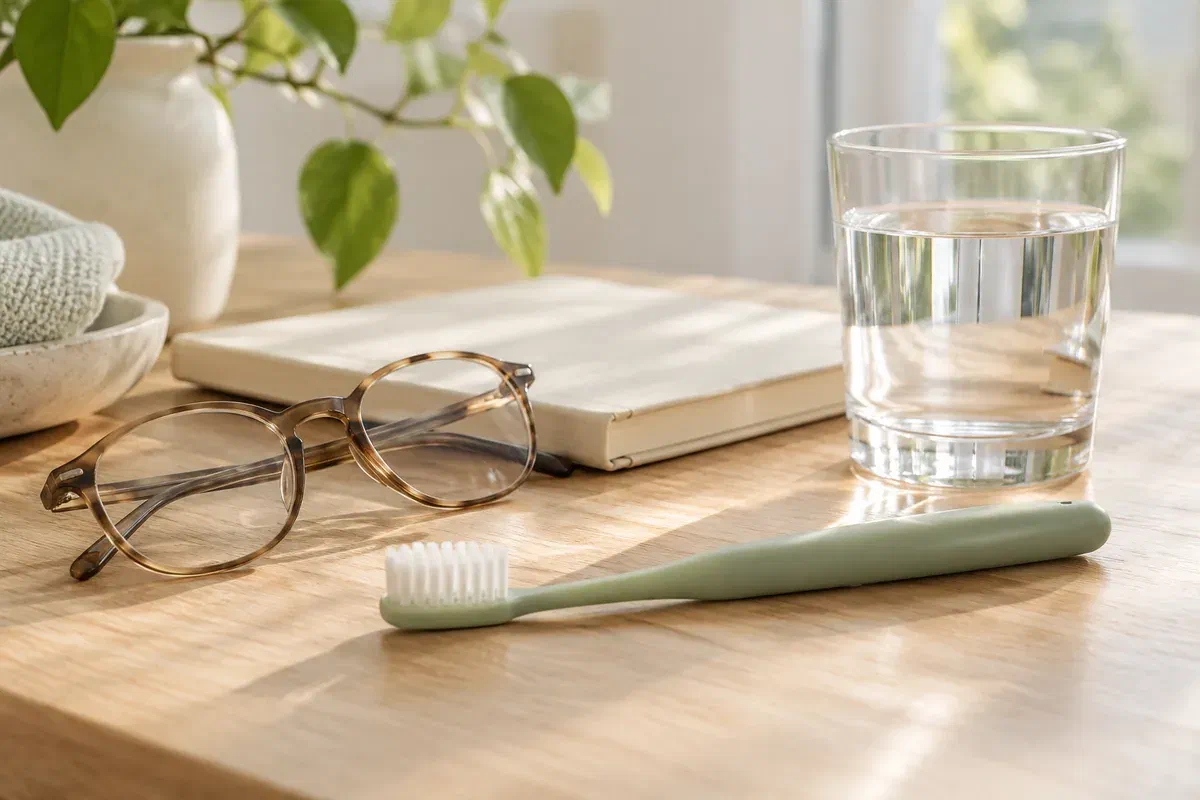
Illustrative reading glasses, a notebook, water, and a toothbrush with a wider handle
Tell us what makes a visit difficult

A useful plan starts with your particular concern.

You do not need to describe yourself as a difficult patient or justify feeling nervous. Specific information helps the team understand what to discuss and which arrangements need checking before your visit.

A memory that still shapes your expectations

Perhaps treatment once began before you felt ready, or you were unsure how to ask for a pause. Describe what you would like handled differently. You can share the practical issue without recounting every detail of an upsetting experience, and ask how communication would work during care.

Comfort, hearing, vision, or mobility needs

Tell us if lying back, remaining in one position, hearing instructions, or reading small print is difficult. Discuss your usual mobility aids and any assistance you want. Ask the team to confirm available access and appointment arrangements rather than assuming that a particular facility or piece of equipment is provided.

A long list of health or dental questions

Bring your medicine list and describe changes in health, dry mouth, eating comfort, or denture use. These details can influence the assessment. If several concerns compete for attention, identify the one that matters most to you so the conversation begins with a clear priority.

A family member or friend can help you prepare questions, if you want that support. Their involvement should reflect your preferences; older age does not mean someone else should automatically speak or make choices for you.

What thoughtful planning can offer

Make the appointment easier to follow, one decision at a time.

Feeling informed does not require hearing every technical detail at once. Ask for the explanation in a format and pace that works for you, with time to check your understanding. A short written list of the agreed priorities may be more useful than trying to remember several recommendations on the journey home.

Planning also helps separate immediate needs from decisions that can be considered later. Ask which findings require prompt attention, which options need further information, and what follow-up would involve. A staged approach may be discussed when appropriate, but the sequence still needs to account for the condition of your mouth.

Patient information: NHS — discussing anxiety and requesting a pause during dental visits

A shared way to pause

Discuss a clear signal before the examination or procedure begins. Ask how the clinician will respond and when a short break can safely occur. Knowing how to communicate during treatment can be helpful, especially when speaking is difficult because instruments are in your mouth.

A plan that includes everyday practicality

Travel, support at home, hand comfort, and the ability to attend follow-up can affect how manageable a recommendation feels. Explain these considerations early. Ask about the expected number of visits and any requirements after treatment before choosing an option that would be difficult to carry through.

An opportunity to discuss anxiety support

Some people find explanation and pacing sufficient; others need additional help with persistent fear. Ask which approaches are suitable and available, and whether referral is appropriate. This page does not promise sedation, a particular medicine, or a treatment setting without an individual assessment and confirmation.

Preparing for the appointment

Agree on the purpose, explain the findings, and choose the next step.

An initial assessment is a chance to understand both your dental needs and your concerns about care. Ask what is planned for that visit so expectations are clear before you arrive.

  1. Share the concern when arranging care

    Tell the team that you feel anxious and mention any urgent symptoms. Explain communication, mobility, or positioning needs and ask what can be accommodated. Confirm whether the appointment is for assessment, treatment, or both, and bring questions you would like answered before care begins.

  2. Review health information and preferences

    Bring an up-to-date list of medicines, allergies, and relevant medical contacts. Mention earlier reactions to treatment and describe them as accurately as possible. Discuss whether you want a support person involved and agree how explanations, consent, and pauses will be handled.

  3. Examine the mouth and discuss what is found

    The clinician explains the proposed examination and any further tests or images that may be needed. Ask for clarification when a term is unfamiliar. If the assessment identifies several issues, request an explanation of their relative urgency rather than feeling you must decide everything immediately.

  4. Leave with a workable treatment and follow-up plan

    Review the choices, expected visits, fees, and any arrangements needed for the next appointment. Ask for the main points in writing if that would help. Confirm whom to contact if you think of another question or if symptoms change before the planned visit.

Between appointments

Build a routine that suits your mouth and your daily life.

Advice should reflect your teeth, gums, restorations, dentures, and practical abilities. Explain what you can comfortably manage and ask for a demonstration if an instruction feels unclear or difficult to put into practice.

Discuss persistent dryness rather than accepting it as inevitable

Dry mouth is not simply a normal consequence of getting older. Medicines and health conditions can contribute, so report ongoing dryness and any difficulty with eating or speaking. Ask for an assessment and suitable advice; do not stop or change a prescribed medicine on your own.

Ask for help choosing manageable cleaning tools

If gripping a brush or cleaning between teeth is uncomfortable, explain the specific difficulty. A different handle or cleaning aid may be worth discussing. Ask the clinician to show how the recommended tool fits your mouth, including around dental work, rather than buying several products without guidance.

Use the follow-up to improve the next visit

Tell us which arrangements helped and which still felt difficult. Keep the agreed plan somewhere accessible and note questions as they occur. If a support person helps with reminders, decide together what information you want shared and how you prefer to remain involved.

Patient information: NIDCR — older adults, medicines, and oral dryness

Choosing support that fits

The right approach follows your needs, not an assumption about age.

Discuss the dental problem and the barriers to receiving care together. The plan may combine appointment adjustments, an appropriate treatment sequence, and additional anxiety support when needed.

When communication and predictability are the main priorities

A clearly explained assessment with agreed pauses

Begin by describing what would make the visit easier to understand. Ask about explanations before each stage and a signal to pause. Confirm the arrangements with the team, including any limitations, so a reassuring conversation becomes a practical plan for the appointment.

When several needs influence treatment decisions

Care planned around health and practical circumstances

Review relevant health information, the condition of the teeth, and what follow-up you can manage. Ask whether care can be staged appropriately and what delaying a step would mean. The objective is a realistic sequence that still addresses important dental needs.

When ordinary appointment adjustments are not enough

Additional assessment or referral for severe anxiety

Persistent fear may need more support than pacing alone. Ask about appropriate psychological or dental anxiety services and any treatment-setting considerations. Availability, suitability, costs, and medical requirements must be established; no particular sedation option is guaranteed by requesting a gentle visit.

Questions about dental visits later in life

You can ask for support without giving up your voice.

Use these questions to prepare for a conversation about the kind of appointment you need. Your preferences and health circumstances matter more than a general label such as senior care.

(905) 876-4488
Can I explain my dental anxiety without my companion answering for me?
Yes. Tell the team how you want the conversation handled and whether you would like a companion involved. You can ask to speak directly with the clinician and decide what support would be helpful. Older age alone is not a reason to bypass your preferences.
What should I mention if reclining in a dental chair makes me uncomfortable?
Describe the difficulty when booking, including relevant health advice you have received and what positions you normally tolerate. Ask the team to confirm suitable arrangements before the visit. Do not assume a particular chair adjustment or treatment approach is available without discussing it.
Should an older adult stop a medicine if it seems to be causing dry mouth?
No. Bring the medicine list and discuss the symptom with your dentist and prescribing clinician. They can consider possible causes and appropriate management. Changing prescribed treatment independently may create other health problems, and dryness needs assessment rather than an assumption about its cause.
Can written appointment notes help if I find spoken dental explanations hard to remember?
Ask for the key recommendations, next steps, and questions to be recorded in a useful format. Bringing your own notebook can also help. Tell the clinician if you need an explanation repeated or clarified before making a decision; understanding matters more than keeping the conversation brief.
Does requesting gentle dentistry for a senior automatically include sedation?
No. Gentle care describes an approach to comfort and communication, not a specific sedative technique. Any additional anxiety-management option requires a discussion of suitability and availability. Ask what can be offered for your circumstances and whether another provider’s assessment would be appropriate.
How can I return to dental care after avoiding it for many years in retirement?
Start by explaining what has kept you away and what you would like the first visit to achieve. Bring your health information and a short list of priorities. An assessment can clarify the condition of your mouth and help establish an understandable sequence of decisions.
Gentle dental care for anxious seniors in Milton

Start with a conversation about what would help you feel ready.

Contact our Bronte Street practice to discuss your dental concern and the support you would like during an appointment. Mention communication or access needs when arranging the visit so the team can confirm practical details with you.

Appointment arrangements, treatment choices, additional anxiety support, and referral depend on individual needs and confirmed availability.

Visit Milton Dental Clinic
Unit 1, 342 Bronte St. S, Milton, ON L9T 5B7
Get directions Clinic hours
Monday–Thursday
11am–7pm
Friday–Sunday
By appointment only

How can we help?

Milton Dental Clinic

Have a question about your smile? Choose the option that works best for you.

For urgent dental concerns, please call.
Messages are reviewed during clinic hours.