

Illustrative older adult speaking directly with a clinician in a calm consultation setting
Specialized Care

Gentle Dentistry for Anxious Seniors in Brampton

One painful or frightening appointment can colour every visit that follows, sometimes for decades. If you are coming from Brampton, you can talk with us about what happened, what you need done differently and how a slower, well-explained assessment could work.

Brampton seniors and dental anxiety

The memory stays. The next visit can be different.

Ask a room of older adults why they avoid the dentist and many will describe a single day: an injection that did not take, a drill that kept going, a voice that told them to stop fussing. Those experiences are real, and the body tends to remember them long after the details have faded.

A gentler approach does not ask you to forget. It asks what would need to be different for you to feel safe enough to try again. That might be more explanation, more control over pauses, a slower start or simply someone who listens before picking up an instrument.

When you contact us from Brampton, we can talk through the reason you want to be seen, your medical history, how you like information shared and what a first appointment would include. Arrangements are agreed in advance, so the visit begins on terms you have already accepted.

Talk about what would make the next visit easier
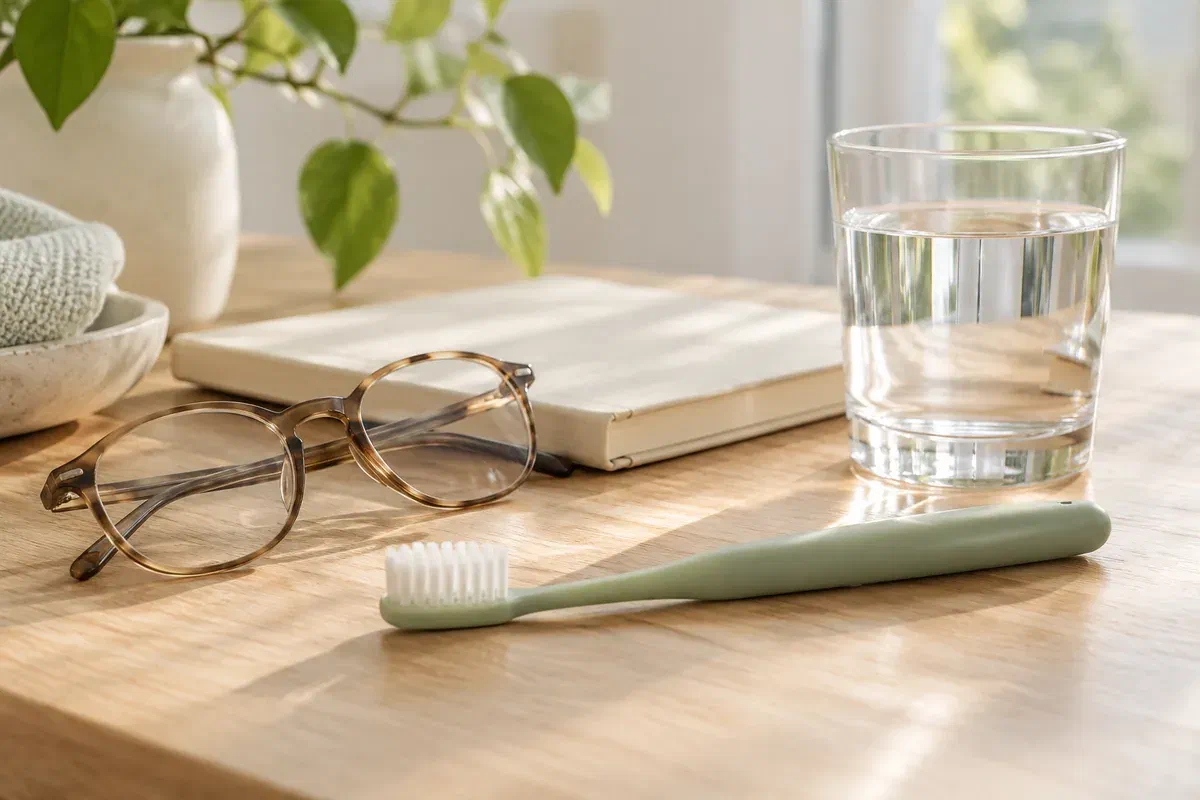
Illustrative reading glasses, a notebook, water, and a toothbrush with a wider handle
What is behind the nerves?

Three common reasons people stay away

You never need to justify being frightened. Naming what drives the fear, even briefly, helps the team know what to discuss and which arrangements to check before you arrive.

A visit that went badly

Maybe numbness wore off, maybe you could not get anyone’s attention, maybe you were made to feel foolish. Tell us what you would want handled differently. You can share as little as you like, and ask beforehand exactly how the clinician will check in with you.

Physical limits that add to the stress

Lying flat, keeping your head still, hearing over machinery or reading small writing can all raise tension. Mention whichever apply and the aids you use day to day. We will confirm which access and appointment arrangements can be made instead of taking any facility for granted.

Not knowing where to begin

When there are several issues, such as a cracked tooth, a sore denture, dryness or bleeding gums, it can be hard to bring any of them up. Bring your medicine list and a note of what has changed. Pick the single concern that matters most to you as a starting point.

A trusted person can help you get your questions ready, if you would like that. Their part in the visit is your call. Growing older does not hand anyone else the right to speak or decide for you.

What a different experience can look like

Control, information and time

Being well informed does not mean being flooded with detail. Ask for the explanation in short pieces, in everyday words, with time to check that you have followed it. A written note of the priorities you agreed on is often more reliable than trying to replay the conversation afterward.

Planning also lets you tell urgent problems from decisions that can wait. Find out what has to be treated soon, where you need more facts before choosing and how much returning each path would involve. A staged plan may be possible in some situations, as long as the order still reflects what your mouth needs.

Patient information: NHS — discussing anxiety and requesting a pause during dental visits

The power to stop

Before anything starts, agree on a gesture that means pause, and ask how the clinician will respond to it. Find out when stopping briefly is safe. For anyone who once felt trapped in the chair, having that power settled ahead of time can change how the whole appointment feels.

A plan you can see through

Transport, help at home, how your hands manage a brush and whether you can come back several times all affect what is realistic. Mention them at the outset. Ask how many visits an option needs and what aftercare it involves before deciding.

Space to talk about lasting fear

After a bad experience, plain explanations and an unhurried start settle some people well. Others need more help. Ask which approaches might suit you, what is available and whether a referral would make sense. No sedation, medicine or setting is promised before an individual assessment.

A first appointment, step by step

Nothing starts until you know what is happening.

An initial assessment covers both your mouth and the experiences that make care hard. Ask what the visit includes, and what it does not, before you arrive.

  1. Mention the past experience when booking

    A sentence is enough, such as having had a bad experience and feeling nervous. Report any pain or swelling straight away. Explain hearing, sight or movement difficulties and ask what can be arranged. Confirm whether the visit is for assessment, treatment or both.

  2. Talk through health and preferences

    Bring a current list of medicines, allergies and relevant doctors. If you once reacted badly to an anaesthetic or other treatment, describe it as precisely as you can. Agree whether a companion will come in and how consent, explanations and pauses will be managed.

  3. An exam explained before it begins

    The clinician tells you what they plan to check and whether X-rays or other tests may be useful. Ask about any unfamiliar word. If several issues are found, ask how urgent each one is so you do not feel cornered into deciding everything at once.

  4. Leave with a clear next step

    Talk through each choice, how often you would need to come back, what it costs and what to arrange beforehand. A written copy of the essentials can help afterwards. Confirm who you can contact if another question occurs to you or your symptoms change in the meantime.

Building confidence between visits

Every appointment can teach us how to make the next one better.

Home advice should reflect your teeth, gums, dental work, dentures and what you can comfortably manage. Speak up if something sounds difficult and ask to see it shown.

Mention dryness that does not go away

A mouth that stays dry is not just an inevitable sign of age. Medicines and medical conditions may be involved, so report dryness that persists or interferes with eating and talking. Ask for an assessment, and do not alter a prescribed medicine without your prescriber.

Ask for cleaning aids that feel manageable

If gripping a brush or cleaning between teeth is painful, describe what exactly is difficult. A wider handle or a different aid may help. Ask the clinician to demonstrate it around your own teeth and dental work before you buy several products to experiment with.

Tell us what to keep and what to change

After each visit, share what helped you feel safer and what still felt hard. Keep the agreed plan where you will see it and note questions as they come. If someone helps with reminders, decide together what they should know and how you remain in charge.

Patient information: NIDCR — older adults, medicines, and oral dryness

Types of support to consider

Care that responds to your history

Discuss the dental problem and the experiences that make care hard in the same conversation. A plan might bring together appointment adjustments, a sensible treatment order and extra anxiety support where it is needed.

When feeling in control matters most

Explanation before each stage, with agreed breaks

Describe what would help you trust the process. Ask for each step to be explained beforehand and for a clear way to stop. Go over the arrangements and their limits with the team, so goodwill on the phone becomes a plan you can rely on.

When several needs influence the plan

Treatment ordered around health and circumstances

Review your health information, the condition of your teeth and the follow-up you can manage. Ask whether care could be staged and what holding off on a step might mean. The aim is a realistic sequence that still treats the problems that matter.

When adjustments still leave you too anxious

Further support or referral for deep-seated fear

Fear rooted in trauma can need more than a slower pace. Ask about counselling or dental anxiety services and any treatment-setting considerations. Suitability, availability, cost and medical requirements need to be established, and asking for gentle care does not guarantee sedation.

Questions about fear and trust

Honest answers for nervous visitors

These may help you sort out what to say when you get in touch. Your history, health and preferences matter more than any broad label for older adults.

(905) 876-4488
Do I have to explain my bad experience in detail to get gentle care?
No. A short statement that you had a difficult visit is enough to start. You can share more later if it helps. What matters is telling the team what you would like done differently, such as more explanation or more frequent check-ins.
What if the freezing did not work properly for me in the past?
Mention it when booking and again before treatment. Describe what happened as accurately as you can. The clinician can discuss how they will check numbness before starting and what you can do if you feel discomfort during care.
Can I meet the dentist and just talk before agreeing to any treatment?
Ask when you book. Many people find it helpful to have the first appointment focus on conversation and assessment, with treatment planned for another day. The team can tell you what is possible given scheduling and your dental needs.
Is it normal for dental anxiety to get worse as I get older?
Anxiety can change over time for many reasons, including health changes or new worries about cost or treatment. It is worth mentioning, whatever the cause. Talking it through can help the team plan a visit that addresses what has changed.
Can I stop treatment partway if I feel overwhelmed?
Use the signal you agreed on and the clinician will pause when it is safe. Some steps need to be brought to a safe point first, so ask beforehand where natural stopping points are. You can then discuss whether to continue or reschedule.
Does a request for gentle dentistry come with sedation?
No. Gentle care means careful communication and comfort measures rather than a sedative method. If your fear is severe, ask which options suit your health, whether they are offered here and whether a referral elsewhere would be appropriate.
Making contact from Brampton

What happened before can shape a better next visit.

Reach our Bronte Street practice to talk about your dental concern and the support that would help you feel safer. Flag any communication or mobility needs early, and practical details will be worked out with you before the appointment.

What can be arranged, treatment options, extra anxiety support and referral depend on individual needs and on confirmed availability.

Visit Milton Dental Clinic
Unit 1, 342 Bronte St. S, Milton, ON L9T 5B7
Get directions Clinic hours
Monday–Thursday
11am–7pm
Friday–Sunday
By appointment only

Areas we serve

  • Milton
  • Oakville
  • Mississauga
  • Georgetown
  • Halton Hills
  • Acton
  • Campbellville
  • Brampton
  • Burlington
  • Puslinch
  • Rockwood
  • Erin
  • Caledon
  • Etobicoke
  • Old Milton
  • Bronte Meadows
  • Timberlea
  • Dorset Park
  • Dempsey
  • Clarke
  • Beaty
  • Coates
  • Harrison
  • Scott
  • Willmott
  • Ford
  • Bowes
  • Cobden
  • Walker
  • Mountain View
  • Milton Heights
  • Hawthorne Village
  • Valley View
  • Fallingbrook
  • Nassagaweya
  • Trafalgar
  • Esquesing
  • Nelson
  • Brookville
  • Moffat
  • Glen Williams
  • Norval
  • Limehouse
  • Stewarttown
  • Ashgrove
  • Hornby
  • Silver Creek
  • Speyside
  • Scotch Block
  • North Oakville
  • River Oaks
  • Glen Abbey
  • West Oak Trails
  • Palermo
  • Bronte Creek
  • College Park
  • Joshua Creek
  • Uptown Core
  • Preserve
  • Iroquois Ridge
  • Lisgar
  • Meadowvale
  • Meadowvale Village
  • Churchill Meadows
  • Erin Mills
  • Central Erin Mills
  • Streetsville
  • East Credit
  • Creditview
  • Heartland
  • Sheridan
  • Mount Pleasant
  • Credit Valley
  • Huttonville
  • Churchville
  • Springbrook
  • Northwest Brampton
  • Bram West
  • Fletcher's Meadow
  • Fletcher's Creek South
  • Alton Village
  • Orchard
  • Millcroft
  • Headon Forest
  • Tansley
  • Brant Hills
  • Tyandaga
  • Kilbride
  • Lowville
  • Aberfoyle
  • Morriston
  • Arkell
  • Hillsburgh
  • Freelton
  • Carlisle
  • Waterdown
  • Flamborough
  • Mountsberg

How can we help?

Milton Dental Clinic

Have a question about your smile? Choose the option that works best for you.

For urgent dental concerns, please call.
Messages are reviewed during clinic hours.