

Illustrative older adult speaking directly with a clinician in a calm consultation setting
Specialized Care

Gentle Dentistry for Anxious Seniors in Halton Hills

When you rely on someone else for a ride, cancelling out of nerves can feel like letting two people down. Across Halton Hills, older adults can plan a dental visit that suits their anxiety, their health and the person driving them, with every step explained first.

Gentle dental visits for Halton Hills seniors

Getting there is half the battle.

If you no longer drive, a dental appointment means asking a neighbour, a grandchild or a spouse to give up part of their day. For someone already dreading the visit, that adds pressure: you may feel you cannot ask for a pause or a second explanation because someone is waiting outside.

You can. Gentle care begins by setting the visit up on your terms, including time for questions. Let us know what worries you, what has helped in the past and how much information you want at each stage, and say whether your driver will wait, come in or come back later.

From Georgetown, Acton, Glen Williams or one of the smaller hamlets, you can talk with us about your reason for coming, your health background and your communication needs. We agree the length and purpose of the visit in advance, so you and your driver can plan the day.

Arrange a visit that suits you and your driver
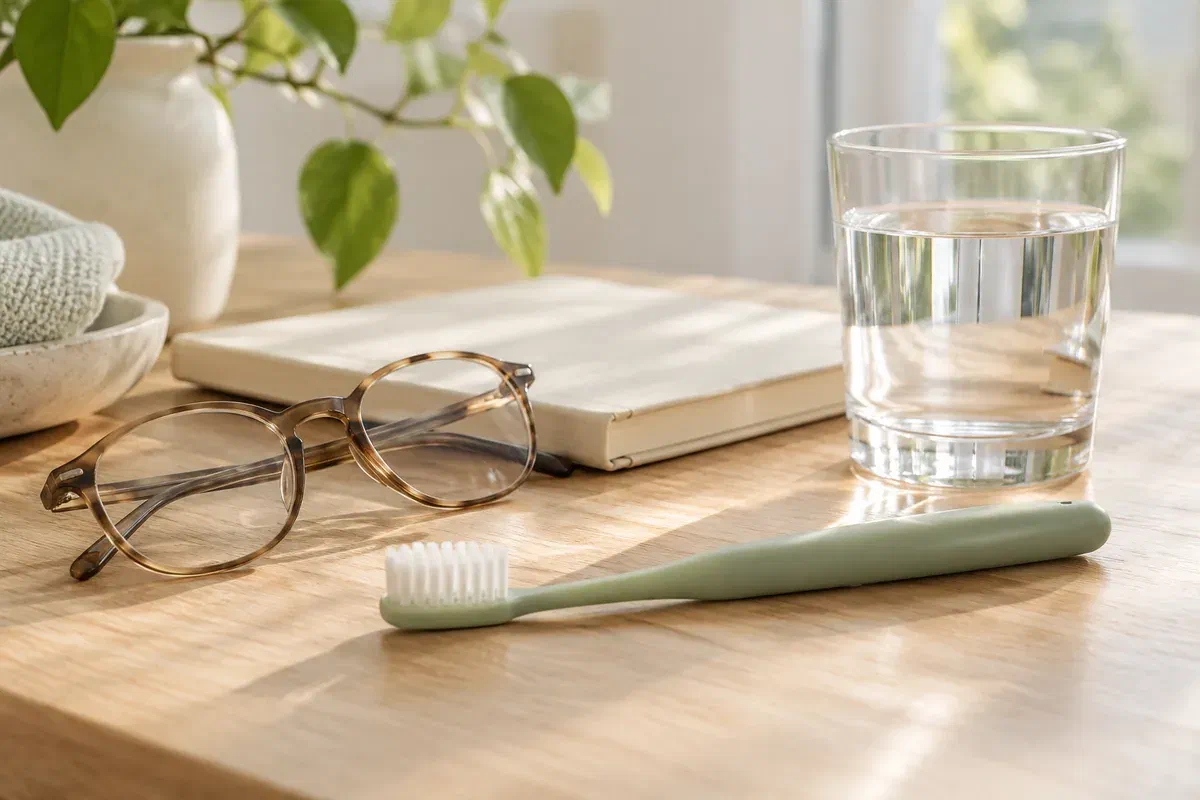
Illustrative reading glasses, a notebook, water, and a toothbrush with a wider handle
Things that make the day harder

Which of these sounds familiar?

Feeling nervous does not need defending. A few specifics help the team understand what to talk through and what to arrange before you are dropped off.

An old visit you have not shaken off

Perhaps you felt hurried, or no one noticed that you were uncomfortable. Describe what you would like handled differently next time. You do not need to tell the whole story, and you can ask how the clinician will check in with you once care is underway.

Getting from the car to the chair

Doors, steps, reclining, staying still or hearing in a noisy room can each be a struggle. Tell us which ones matter and what aids you bring. We will be clear about what access and appointment arrangements exist, rather than promising something that may not be there.

More questions than one visit can answer

A change in health, a dry mouth, a sore denture or difficulty chewing can all shape the assessment. Bring your medicine list. If the list of concerns is long, mark the one you most want dealt with, so a single trip covers what matters to you.

The person who drives you may also help you prepare questions, if you want them to. Whether they come into the room is your decision. Older age does not mean someone else should speak or choose for you.

Why planning ahead helps everyone

Less waiting, less guessing, less pressure

Feeling informed does not require hearing every technical term at once. Ask for each finding to be explained slowly and in plain words, and take a moment to confirm what you heard. A written note of agreed priorities means you can explain the plan to your driver later without relying on memory.

Planning also helps you see which problems need attention soon and which decisions can wait. Ask what is urgent, what needs more information and what each kind of follow-up involves. Care may sometimes be split over several visits, but the order has to match the state of your mouth.

Patient information: NHS — discussing anxiety and requesting a pause during dental visits

Permission to pause

Agree on a signal before the exam and ask how the clinician will respond. Find out when stopping is safe. A pause is your right even if someone is waiting for you; it is better to take a minute than to push through feeling overwhelmed.

Transport counted as part of care

How you get to appointments, who helps you at home, how your hands cope with cleaning and how often a ride can be arranged all affect a plan. Bring these up. Ask how many trips an option would need and what aftercare it involves before choosing it.

A frank talk about fear

Some people are well served by clear explanation and an unhurried pace. Others need more support. Ask which approaches would suit you, what this practice offers and whether a referral would be wise. Sedation, specific medicines or a treatment setting are never promised before an individual assessment.

From the first call to the ride home

How the appointment fits into your day

An initial assessment considers your mouth and what makes dental care hard for you. Knowing what the visit will cover, and roughly how long it will take, helps you and your driver plan.

  1. Book with the full picture

    Mention that you feel anxious and report any pain or swelling right away. Describe walking, hearing, sight or seating difficulties and find out what is possible. Ask whether this visit is an assessment, treatment or both, and how long you should allow.

  2. Bring your health details and decide who comes in

    Have a current list of medicines, allergies and doctors’ contacts ready. Describe any past reactions to treatment accurately. Decide whether your driver joins you, waits elsewhere or returns later, and agree how explanations, consent and pauses will be handled.

  3. Hear the exam explained, then the results

    The clinician describes what they plan to look at and mentions if imaging or other tests could add useful information. Stop them if a term is unfamiliar. If there is more than one problem, ask which is most pressing before making decisions.

  4. Plan the next trip before you leave

    Review the options, number of visits, fees and anything that needs arranging beforehand. Ask for the key points in writing to share with your driver if you wish. Make sure you know who to contact about new questions or changing symptoms.

Caring for your mouth at home

Small habits, chosen with your abilities in mind

Advice should suit your teeth, gums, dental work, dentures and what you can comfortably do. Ask for a demonstration during the visit if something sounds tricky, so practice at home is easier.

Treat lasting dryness as worth a conversation

A dry mouth is not simply a normal part of ageing. Medicines and health conditions can contribute, so report dryness that hangs on or makes eating and speaking harder. Ask for suitable advice, and leave any change to prescribed medicine to the person who prescribed it.

Find tools that are easy to hold

Describe what makes brushing or cleaning between teeth difficult. A wider handle or a different interdental aid could be worth discussing. Ask the clinician to show how it works around your own dental work before buying a collection of products to test.

Report back after each visit

Let us know what made the appointment easier and what still felt hard. Keep the agreed plan somewhere handy and note questions as they come. If a family member helps with reminders or rides, decide together what information they receive and where your choices stay with you.

Patient information: NIDCR — older adults, medicines, and oral dryness

What kind of support fits?

Built around your needs, not a stereotype

Discuss the dental problem and the barriers to care together, including transport. A plan may draw on changes to how the visit runs, a sensible order of treatment and extra help with anxiety when needed.

When predictability is the biggest help

Explanation at each stage and a pause signal

Say what would make the visit easier to follow. Ask for every step to be described before it starts and agree on a way to stop. Talk through the arrangements and their limits with the team, so the reassurance you hear on the phone holds on the day.

When health and logistics both matter

Care sequenced around health and rides

Weigh your health information, the condition of your teeth and how often transport can realistically be arranged. Ask whether treatment could be staged and what waiting on a step would mean. The goal is a workable sequence that still deals with real dental needs.

When gentle pacing still is not enough

Additional help when fear is severe

Deep fear can need support beyond a slower appointment. Ask about counselling or dental anxiety services and anything that affects where care could take place. Each depends on whether it suits you, whether it is available, its cost and medical factors; a gentle visit does not come with sedation.

Questions about getting care

What people ask before their first gentle visit

These questions may help you plan what to say when you call. Your preferences and health come first, not general ideas about seniors.

(905) 876-4488
Can you tell me roughly how long the appointment will take so I can arrange a ride?
Ask when booking. The team can usually give you an idea of how long a first assessment is planned for. Allow some extra time in case you need breaks, and let your driver know that the timing may vary a little.
Is it all right if my driver waits in the reception area?
Mention it when you book and the team can tell you what works on the day. Some people prefer their companion close by; others feel calmer alone. You can also ask them to join only for the end of the visit.
What if I need to cancel because I feel too anxious on the day?
Call as early as you can and explain that nerves got the better of you. That is useful information, not a failure. The team can talk about what might make the next attempt easier, such as a shorter first visit focused on conversation.
Can I ask the dentist to explain things to me rather than to my grandchild?
Yes. Say at the start that you want to be addressed directly. Your grandchild can listen or help with notes if you wish, but the explanations and decisions are yours.
We live in a smaller hamlet in Halton Hills. How can we limit the number of trips?
Ask what the first visit will include and whether any steps can sensibly be combined. The clinician can explain the likely number of appointments for a given plan. Clinical needs come first, but knowing the schedule helps with transport.
Should I bring my denture even if I have stopped wearing it?
Yes. Bring it along and explain why you stopped using it, such as soreness or poor fit. The dentist can examine both the denture and your mouth and discuss options, which may include adjustment, repair or replacement depending on the findings.
Planning care from Halton Hills

Call when it suits you both.

Contact our Bronte Street practice to talk about your dental concern and the support you would like. Mention mobility, hearing or other needs, and how you will be getting here, so arrangements can be checked with you in advance.

Arrangements, suitable treatment, additional anxiety support and referral depend on each person’s needs and confirmed availability.

Visit Milton Dental Clinic
Unit 1, 342 Bronte St. S, Milton, ON L9T 5B7
Get directions Clinic hours
Monday–Thursday
11am–7pm
Friday–Sunday
By appointment only

Areas we serve

  • Milton
  • Oakville
  • Mississauga
  • Georgetown
  • Halton Hills
  • Acton
  • Campbellville
  • Brampton
  • Burlington
  • Puslinch
  • Rockwood
  • Erin
  • Caledon
  • Etobicoke
  • Old Milton
  • Bronte Meadows
  • Timberlea
  • Dorset Park
  • Dempsey
  • Clarke
  • Beaty
  • Coates
  • Harrison
  • Scott
  • Willmott
  • Ford
  • Bowes
  • Cobden
  • Walker
  • Mountain View
  • Milton Heights
  • Hawthorne Village
  • Valley View
  • Fallingbrook
  • Nassagaweya
  • Trafalgar
  • Esquesing
  • Nelson
  • Brookville
  • Moffat
  • Glen Williams
  • Norval
  • Limehouse
  • Stewarttown
  • Ashgrove
  • Hornby
  • Silver Creek
  • Speyside
  • Scotch Block
  • North Oakville
  • River Oaks
  • Glen Abbey
  • West Oak Trails
  • Palermo
  • Bronte Creek
  • College Park
  • Joshua Creek
  • Uptown Core
  • Preserve
  • Iroquois Ridge
  • Lisgar
  • Meadowvale
  • Meadowvale Village
  • Churchill Meadows
  • Erin Mills
  • Central Erin Mills
  • Streetsville
  • East Credit
  • Creditview
  • Heartland
  • Sheridan
  • Mount Pleasant
  • Credit Valley
  • Huttonville
  • Churchville
  • Springbrook
  • Northwest Brampton
  • Bram West
  • Fletcher's Meadow
  • Fletcher's Creek South
  • Alton Village
  • Orchard
  • Millcroft
  • Headon Forest
  • Tansley
  • Brant Hills
  • Tyandaga
  • Kilbride
  • Lowville
  • Aberfoyle
  • Morriston
  • Arkell
  • Hillsburgh
  • Freelton
  • Carlisle
  • Waterdown
  • Flamborough
  • Mountsberg

How can we help?

Milton Dental Clinic

Have a question about your smile? Choose the option that works best for you.

For urgent dental concerns, please call.
Messages are reviewed during clinic hours.