

Illustrative patient discussing gum health with a clinician and a small dental model
Specialized Care

Gingivitis Treatment

Redness or bleeding at the gumline deserves a clear explanation. Explore gingivitis care in Milton, with an assessment of the inflammation, appropriate professional cleaning, and practical guidance for looking after the areas that need attention.

A closer look at gingivitis treatment

Notice the inflammation. Understand what your gums need.

Gingivitis means inflammation of the gums. You might notice redness along the edge of a tooth, puffiness between teeth, or bleeding when cleaning. These changes deserve assessment even when they do not hurt. The first question is what is contributing to the inflammation and whether the tissues supporting the teeth are also affected.

Plaque-related gingivitis can often improve with appropriate professional care and consistent cleaning at home. That does not mean every red or bleeding area has the same explanation. A dental examination helps distinguish a manageable gumline problem from a condition requiring a different investigation or a more extensive periodontal treatment plan.

At Milton Dental Clinic, the conversation includes what you have noticed and what your current routine is like. We can discuss the findings, suitable cleaning, and changes that are realistic for you. The goal is to make the recommendation specific enough that you know where to focus and why a review matters.

Arrange an assessment of irritated gums
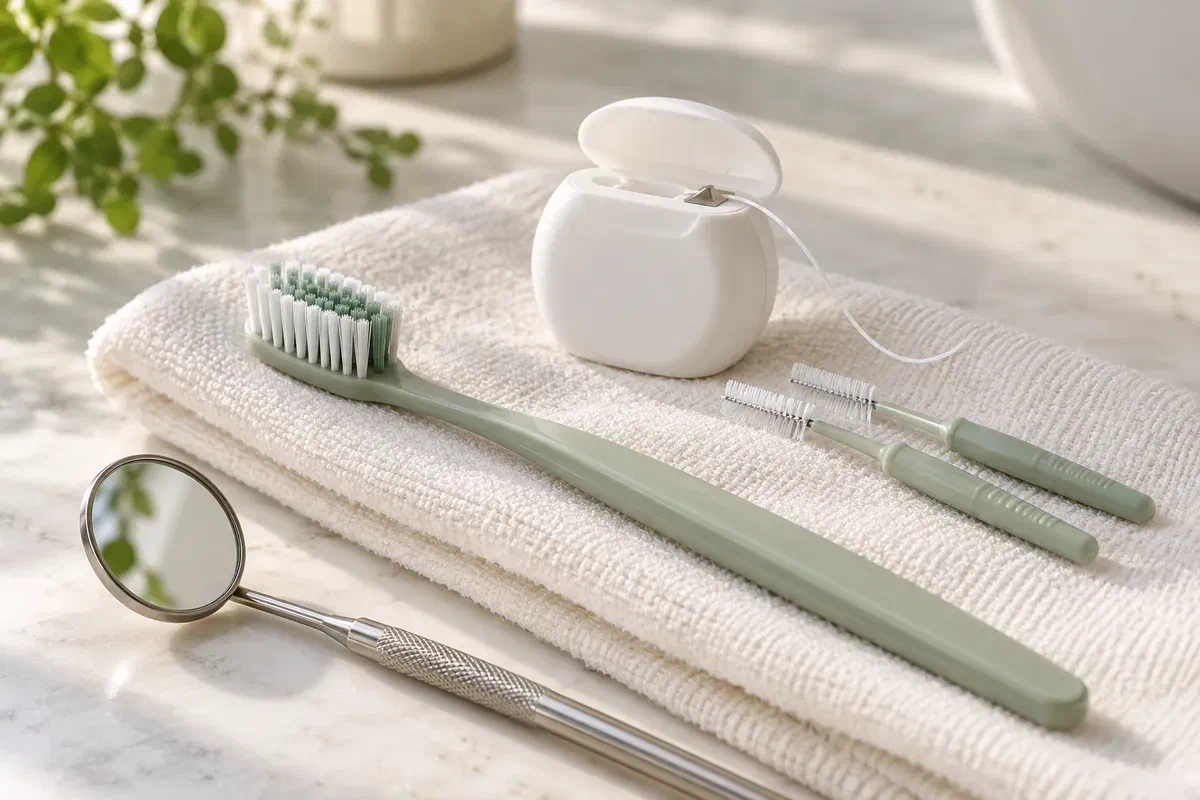
Illustrative soft toothbrush, floss, interdental brushes, and dental mirror on an ivory towel
Changes worth discussing

Small gum changes can be a useful reason to check in.

Tell us where the change occurs, when you first noticed it, and whether it is persistent or intermittent. Mention any new products, dental work, medicines, or health changes rather than deciding in advance which detail must be responsible.

Bleeding during brushing or between-teeth cleaning

Explain whether the bleeding comes from one location or several areas. Ask the clinician to review your technique and the tissues involved. Simply avoiding the area may leave the underlying problem unaddressed, while scrubbing harder can create another difficulty. A comfortable, appropriate method is worth demonstrating.

Puffy or tender tissue around particular teeth

Point out the spots that look or feel different, including areas beside restorations or where food tends to collect. Ask what the examination suggests about the cause. One troublesome area may need a more targeted discussion than a general instruction to brush more often.

An ongoing change in breath or mouth freshness

Persistent bad breath can accompany gum problems but does not establish a diagnosis on its own. Describe the change and any dryness, discomfort, or other symptoms. A strong rinse may mask a concern without explaining it, so include it in the assessment rather than relying on the product alone.

Tell the team about spontaneous or unusual bleeding, swelling, sores, or symptoms elsewhere in your body. Not every gum complaint should be assumed to be ordinary plaque-related gingivitis.

What treatment is intended to achieve

Reduce the sources of irritation and make daily care more effective.

A useful gingivitis plan connects the professional findings with something you can do at home. Ask which areas need closer attention, what cleaning is recommended, and how the team will judge improvement. The explanation should help you understand the problem without making you feel that a difficult area is a personal failure.

The assessment can also clarify the limits of the diagnosis. Gingivitis and periodontitis are not interchangeable terms: established loss of tooth-supporting tissues changes the care discussion. If the findings suggest a broader concern, ask how it affects the recommended treatment and whether additional assessment is needed.

Patient information: NIDCR — plaque, gum inflammation, professional cleaning, and individualized treatment

Professional removal of deposits that brushing cannot remove

Hardened deposits require professional cleaning. Ask where deposits are present and what the proposed cleaning involves. The extent of care should follow the examination; the fact that a cleaning is overdue does not, by itself, explain why a particular deep-cleaning procedure is needed.

A method matched to the spaces in your mouth

Different areas can be easier to clean with different tools. Ask for a demonstration around the sites that tend to bleed or retain food. The recommendation should take account of tooth spacing, dental work, dexterity, and comfort so the routine is something you can use consistently.

A planned check of the response

Improvement is worth reviewing rather than assuming that one appointment completes every aspect of care. Ask when the gums should be reassessed and what to report sooner. Persistent inflammation may call for another look at the diagnosis, deposits, local factors, or the practicality of the home routine.

From an irritated gumline to a practical plan

Assess the tissues, explain the cleaning, and review what changes.

Knowing the sequence makes it easier to ask useful questions. The assessment and treatment may take place over different visits, depending on the findings, your comfort, and the care that is appropriate.

  1. Describe the symptoms and your current routine

    Mention where bleeding or redness appears, how long it has been happening, and which products you use. Review your medical history and medicines. Bring any questions about a new toothbrush, rinse, or cleaning aid so the advice can address what you actually do each day.

  2. Examine the gums and supporting tissues

    The clinician checks the areas of concern and evaluates whether the findings fit gingivitis or suggest another condition. Gum measurements and relevant images may contribute to the assessment. Ask for an explanation of the diagnosis and which findings matter most in your case.

  3. Provide the appropriate cleaning and personal guidance

    Discuss the proposed care, comfort measures, fees, and expected visits before treatment. Professional cleaning addresses the deposits identified, while a demonstration helps translate advice into a home routine. Tell the team if an area is sensitive or if you need a pause during care.

  4. Reassess inflammation and adjust the plan if needed

    Return at the recommended interval and explain what has improved or remained difficult. The review is an opportunity to check the tissue response and refine the cleaning approach. If the expected improvement has not occurred, ask what further evaluation or change in management is appropriate.

Looking after your gums between visits

Choose consistency and suitable technique over force.

Ask for instructions that describe where and how to clean. A short, manageable routine is easier to sustain when you understand each step and have tools that fit comfortably in the relevant spaces.

Clean the gumline with the technique you were shown

Use the recommended brush and fluoride toothpaste, and ask how to reach the areas discussed at your visit. If cleaning is uncomfortable, explain the exact location and movement involved. The answer may involve refining the technique or reassessing the tissue rather than simply applying more pressure.

Make cleaning between teeth a workable habit

Ask which interdental aid is suitable and how to use it without forcing it into a space. If you cannot manage the suggested method, bring the tool to your next visit for help. A recommendation can be adjusted; leaving the difficult area untouched is not the only alternative.

Treat a rinse as a specific recommendation, not a replacement

If a rinse is advised, clarify its purpose, how long to use it, and any product-specific cautions. Do not assume a stronger product will resolve persistent redness. Continue the agreed cleaning plan and contact the team about symptoms that remain or become more uncomfortable.

Matching care to the diagnosis

Gingivitis care begins with confirming what is inflamed and why.

Ask how the recommended option follows from the examination. The plan for inflammation confined to the gums differs from care for established periodontal damage or an unrelated tissue concern.

When findings support plaque-related gingivitis

Professional cleaning with focused home-care support

Discuss removal of the deposits present and a daily routine aimed at the affected areas. Ask how improvement will be reviewed and what maintenance is appropriate. The plan should include both the professional work and the habits needed between visits, with clear instructions for each.

When the supporting tissues are also affected

A broader periodontal treatment plan

If the assessment identifies periodontitis, ask how the diagnosis changes treatment. More extensive cleaning, reassessment, ongoing periodontal maintenance, or specialist input may be considered. The recommendation should explain the findings rather than treating every bleeding gumline as the same condition.

When the appearance or response needs another explanation

Further evaluation of a persistent or unusual gum change

A local irritation, health factor, or another tissue condition may need attention. Ask what remains uncertain and whether another examination or referral is appropriate. Persistent symptoms should prompt review instead of repeated product changes without a diagnosis.

Gingivitis questions

Understand what improvement should involve.

These questions can help turn a general recommendation to care for your gums into a specific discussion about the diagnosis, cleaning, and follow-up that fit your mouth.

(905) 876-4488
Can gingivitis improve without the gums having suffered permanent support loss?
Plaque-related gingivitis can often be reversed with appropriate care because it concerns inflammation without the attachment loss that defines periodontitis. The examination needs to establish which condition is present. Ask the clinician to explain that distinction using your own findings.
Does bleeding from just one interdental space still warrant a gingivitis assessment?
Yes. A localized area can deserve attention even if the rest of the mouth feels comfortable. Point out the exact site and mention food trapping, dental work, or difficulty cleaning there. The clinician can assess the tissue and discuss whether a local factor needs to be addressed.
Should I replace brushing with mouthwash while my gums are inflamed?
No. A rinse does not replace appropriate mechanical cleaning of the teeth and between-tooth spaces. Ask for a comfortable technique and whether a specific rinse has a role in your plan. If cleaning causes significant pain or bleeding, contact the team for guidance and assessment.
Is a deep cleaning automatically necessary whenever gingivitis is diagnosed?
No. The type and extent of professional cleaning should reflect the deposits, gum findings, and diagnosis. Ask what the proposed procedure is intended to treat. Gingivitis alone should not be used as an unexplained label for every form of periodontal treatment.
What if my gums still look red after I have improved my cleaning routine?
Arrange the recommended review and explain what you have changed. The clinician can check the response, assess remaining local factors, and consider whether the original explanation is complete. Avoid assuming that persistent redness simply means you must scrub harder or use a stronger rinse.
Can I choose an interdental brush without knowing which size fits my inflamed gums?
Ask for help selecting a suitable tool and seeing how it should pass through each relevant space. Different sites may need different approaches. Forcing a brush that does not fit is not a useful substitute for a demonstration tailored to your teeth and gums.
Gingivitis care in Milton

Give your gum symptoms a clear explanation and a manageable plan.

Contact our Bronte Street practice to discuss redness, bleeding, or irritation at the gumline. Tell us what you have noticed so the appointment can begin with the areas that concern you most.

Diagnosis, cleaning needs, review intervals, and expected response depend on the examination and your individual circumstances.

Visit Milton Dental Clinic
Unit 1, 342 Bronte St. S, Milton, ON L9T 5B7
Get directions Clinic hours
Monday–Thursday
11am–7pm
Friday–Sunday
By appointment only

How can we help?

Milton Dental Clinic

Have a question about your smile? Choose the option that works best for you.

For urgent dental concerns, please call.
Messages are reviewed during clinic hours.