

Illustrative patient discussing gum health with a clinician and a small dental model
Specialized Care

Gingivitis Treatment in Puslinch

A new prescription, a pregnancy, a diabetes diagnosis or a dry mouth can all change how your gums behave. For people from Puslinch, gingivitis care takes your wider health into account, so the examination, cleaning and home advice fit the whole picture rather than the gums in isolation.

Gums and general health

Did something change in your health before your gums did?

Sometimes bleeding gums seem to appear out of nowhere, even though your routine has not changed. Often something else has: a medication, hormones, blood sugar, saliva flow or simply a stressful season that disrupted habits. Gingivitis, the inflammation of gum tissue, can be influenced by all of these, and it often causes no pain.

Plaque is still the most common trigger, and in many cases gingivitis responds to professional cleaning and consistent care at home. But because health factors can change how gums look and react, the examination has to consider more than plaque. It also distinguishes gingivitis from periodontitis, which affects the structures anchoring the teeth, and from unrelated tissue changes.

If you are coming from Puslinch, bring a current list of medications and any recent health news. We ask what you have noticed and how you clean, examine your gums, and explain how your health history may be shaping what we see. The plan that follows is built around you, with a clear review date.

Book a gum assessment with your health in mind
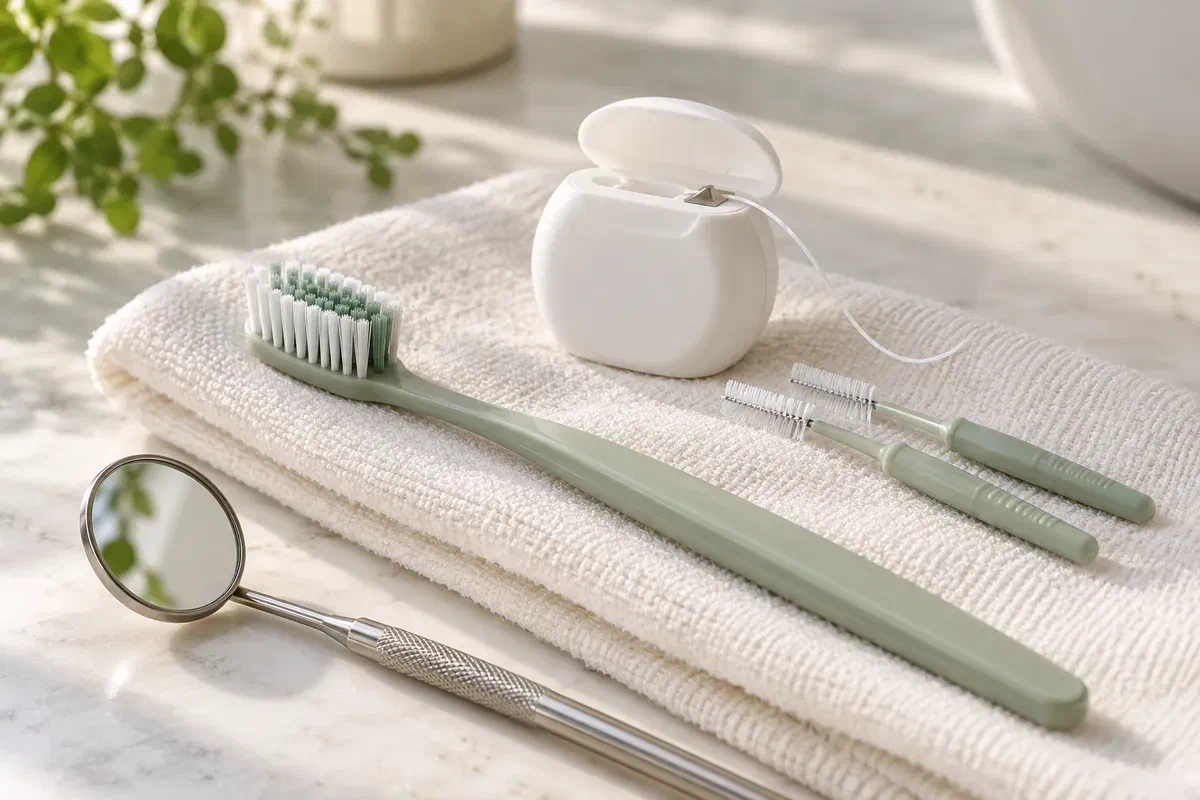
Illustrative soft toothbrush, floss, interdental brushes, and dental mirror on an ivory towel
Worth mentioning, even if it seems unrelated

Your medicine cabinet may hold a clue.

Along with where and when your gums bleed or swell, tell us about new or changed medications, pregnancy, diabetes, dry mouth or other health developments. You do not need to know which detail matters; the assessment can help sort that out.

Bleeding that began after a health change

Mention when it started and whether anything else changed around that time, including medicines that affect bleeding. The clinician can examine the tissue and your technique. Avoiding the area or scrubbing harder are both understandable, but a gentle method usually helps more.

Gums that look enlarged or feel tender

Some medicines and hormonal changes can make gum tissue look fuller or react more strongly to plaque. Point out the areas that seem swollen. A site with a specific cause may need tailored care and, sometimes, coordination with your physician.

Dry mouth or a change in breath

Reduced saliva, which some medications cause, can affect both breath and gum health. Describe any dryness and how long you have noticed it. Masking it with a strong rinse, especially one containing alcohol, may not help, so mention it at your visit.

Please tell us about spontaneous bleeding, unusual swelling, mouth sores or symptoms in other parts of your body. These can point to something other than ordinary plaque-related gingivitis and may need medical input.

A plan that sees the whole person

Gum care that accounts for your health

The goal is a plan that links your examination findings, your health background and a routine you can manage. Ask which areas are inflamed, what cleaning we recommend and how we will track progress. If a medicine or condition makes your gums more reactive, that is useful to know, not something you caused.

Getting the diagnosis right matters too. Gingivitis is limited to the gums, whereas periodontitis means some supporting tissue has been lost, and some health conditions are associated with a higher risk of it. If the findings suggest periodontitis or another concern, ask how the plan changes and whether your physician should be involved.

Patient information: NIDCR — plaque, gum inflammation, professional cleaning, and individualized treatment

Professional cleaning planned around your health

Tartar needs professional removal. Ask where it is and what the cleaning involves, and mention any medicines, such as blood thinners, that could affect treatment. The extent of cleaning should follow the findings, not simply the time since your last visit.

Home care that suits your circumstances

Dry mouth, reduced dexterity or fatigue can all affect how you clean. Ask for a demonstration at the sites that bleed and for tools that work given your health. A routine you can maintain on difficult days is more valuable than a perfect one you cannot.

A review that checks the response

Arrange when the gums will be reassessed and which symptoms deserve an earlier call. If inflammation continues, the review can reconsider the diagnosis, any remaining deposits, health factors, local causes or whether the routine is realistic.

What the visits involve

Health history first, then gums, cleaning and a check-in

Knowing the order of things helps you bring the right information. Depending on what is found, your health and your comfort, the assessment and cleaning may take one appointment or more.

  1. Bring your medication list and questions

    Tell us where bleeding or redness shows up and since when, and share a current list of medicines and recent health changes. Mention what you use to clean. This information helps us interpret the findings and plan care safely.

  2. Examination with your history in mind

    Your clinician checks the gums, considering whether the picture is gingivitis, periodontitis or a change linked to a health factor or other cause. Measurements around the teeth and images may be used where they add something. Ask how your health might be influencing what was found.

  3. Cleaning planned for safety and comfort

    Before anything begins, we talk through what we propose, how comfort will be managed, fees and expected visits, and whether anything in your health calls for precautions. Cleaning then removes the deposits identified, followed by a short demonstration. Tell us if you need a break.

  4. Review and coordinate if needed

    Come back at the agreed interval and describe what has changed. We check the tissue response and adjust the plan. If the gums have not responded, ask whether further evaluation or a conversation with your physician would be helpful.

Daily care, adjusted to you

Gentle routines that work on good days and bad

Ask for instructions that account for your health and energy. A short routine with comfortable tools is easier to keep up between trips in from Puslinch when you understand why each step is there.

Brush along the gumline gently

Choose the brush and fluoride toothpaste we discussed, and give the highlighted areas a little extra time. If dry mouth makes brushing uncomfortable, mention it, since there may be ways to ease it. Pressing harder is rarely the answer.

Keep between-teeth cleaning manageable

Use the interdental aid suggested and slide it in gently. If grip, fatigue or a health issue makes it difficult, bring it to your next visit so we can look for an easier option.

Check rinses against your health needs

If a rinse is advised, confirm what it does, how long to use it and whether it suits your health or medications. A stronger product is not a cure for lasting redness. Keep cleaning as planned and call if symptoms remain or worsen.

Plans shaped by the findings

What is behind the inflammation decides the next step.

Ask how the plan you are offered follows from both your examination and your health history. Gum-only inflammation, established periodontal damage and a health-related or unrelated tissue change each lead to different care.

When the findings point to plaque-related gingivitis

Cleaning with home care suited to your health

Deposits are removed and your routine focuses on the inflamed areas, with adjustments for dry mouth, dexterity or other factors. Ask how progress will be checked and what maintenance suits you.

When supporting tissue is involved

Periodontal treatment and maintenance

If periodontitis is identified, ask how treatment changes and whether your health affects the approach. More thorough cleaning, reassessment, regular periodontal maintenance or a specialist referral may be discussed, all explained in terms of your findings.

When a health factor or another cause is suspected

Medical coordination or further evaluation

Some gum changes are best understood together with your physician, or need another examination or referral. Ask what is still unclear and who should be involved. Persistent symptoms deserve that kind of review, not repeated product changes.

Health and gum questions

How your health may affect your gums

These questions can help you connect your medical history with your gum care, so the assessment, cleaning and follow-up make sense for you.

(905) 876-4488
Can my medication make my gums bleed or swell?
Some medicines can affect bleeding, saliva flow or gum tissue. Bring a full, current list to your appointment. Do not stop or change a prescribed medicine on your own; the team can discuss any concern and, if needed, suggest you speak with your physician.
Is there a connection between diabetes and gum health?
Diabetes is associated with a higher risk of gum disease, and gum inflammation may be harder to manage when blood sugar is not well controlled. Tell the team about your diagnosis so it can be considered in your care.
Are bleeding gums common during pregnancy?
Hormonal changes in pregnancy can make gums more prone to inflammation. Let the team know you are pregnant so the timing and approach of any treatment can be planned appropriately.
I take a blood thinner. Is gum cleaning still possible?
Mention it when booking and at your visit. Many people on blood thinners have dental cleanings, but the team needs to know so they can plan appropriately. Do not stop the medication without advice from your prescriber.
Does dry mouth make gingivitis more likely?
Saliva helps protect the mouth, so reduced flow can affect gum health and comfort. Mention any dryness and the medicines you take. The team can discuss ways to manage it alongside your gum care.
Should I tell my physician about my gum diagnosis?
If you have a medical condition that may relate to gum health, sharing the diagnosis can be helpful. Ask the clinician whether coordination makes sense in your case and what information would be useful to pass on.
Puslinch gum care

Bring your health history along with your questions.

Contact our Bronte Street practice to discuss gum bleeding, redness or swelling. Let us know about any recent health changes when you call so we can plan the visit properly.

Diagnosis, cleaning needs, review timing and how your gums respond depend on the examination, your health and your circumstances.

Visit Milton Dental Clinic
Unit 1, 342 Bronte St. S, Milton, ON L9T 5B7
Get directions Clinic hours
Monday–Thursday
11am–7pm
Friday–Sunday
By appointment only

Areas we serve

  • Milton
  • Oakville
  • Mississauga
  • Georgetown
  • Halton Hills
  • Acton
  • Campbellville
  • Brampton
  • Burlington
  • Puslinch
  • Rockwood
  • Erin
  • Caledon
  • Etobicoke
  • Old Milton
  • Bronte Meadows
  • Timberlea
  • Dorset Park
  • Dempsey
  • Clarke
  • Beaty
  • Coates
  • Harrison
  • Scott
  • Willmott
  • Ford
  • Bowes
  • Cobden
  • Walker
  • Mountain View
  • Milton Heights
  • Hawthorne Village
  • Valley View
  • Fallingbrook
  • Nassagaweya
  • Trafalgar
  • Esquesing
  • Nelson
  • Brookville
  • Moffat
  • Glen Williams
  • Norval
  • Limehouse
  • Stewarttown
  • Ashgrove
  • Hornby
  • Silver Creek
  • Speyside
  • Scotch Block
  • North Oakville
  • River Oaks
  • Glen Abbey
  • West Oak Trails
  • Palermo
  • Bronte Creek
  • College Park
  • Joshua Creek
  • Uptown Core
  • Preserve
  • Iroquois Ridge
  • Lisgar
  • Meadowvale
  • Meadowvale Village
  • Churchill Meadows
  • Erin Mills
  • Central Erin Mills
  • Streetsville
  • East Credit
  • Creditview
  • Heartland
  • Sheridan
  • Mount Pleasant
  • Credit Valley
  • Huttonville
  • Churchville
  • Springbrook
  • Northwest Brampton
  • Bram West
  • Fletcher's Meadow
  • Fletcher's Creek South
  • Alton Village
  • Orchard
  • Millcroft
  • Headon Forest
  • Tansley
  • Brant Hills
  • Tyandaga
  • Kilbride
  • Lowville
  • Aberfoyle
  • Morriston
  • Arkell
  • Hillsburgh
  • Freelton
  • Carlisle
  • Waterdown
  • Flamborough
  • Mountsberg

How can we help?

Milton Dental Clinic

Have a question about your smile? Choose the option that works best for you.

For urgent dental concerns, please call.
Messages are reviewed during clinic hours.