

Illustrative patient discussing morning jaw discomfort with a dental clinician
Specialized Care

Morning Jaw Pain Treatment in Burlington

Sometimes the person beside you notices first: a grinding sound, heavy snoring, or a pause in your breathing, followed by your sore jaw at breakfast. Coming from Burlington, you can bring those observations to us, and we will examine your teeth and jaw and explain which concerns are dental and which belong with a physician.

When someone else hears it first

A report from across the pillow

You were asleep, so you have to take their word for it. Your partner mentions a scraping noise, or loud snoring, or a moment when you seemed to stop breathing. Meanwhile you know only that your jaw feels stiff when you wake and the first bite of breakfast is not quite comfortable. Both accounts are useful, and both belong in the conversation.

Grinding during sleep may explain some of what is happening. A sore jaw and a partner's description still do not prove it. Muscles, joints, individual teeth, general health, and sleep itself can each play a role. Breathing pauses, gasping, or heavy daytime tiredness are questions for a medical provider, while a sore tooth or limited opening steers the dental examination.

We take the history from you and anything your partner has observed, then examine before discussing care. If you already use a guard, bring it and tell us how mornings compare with and without it. Each recommendation should come with a clear reason and a way of reviewing whether it is helping.

Share what your partner has noticed
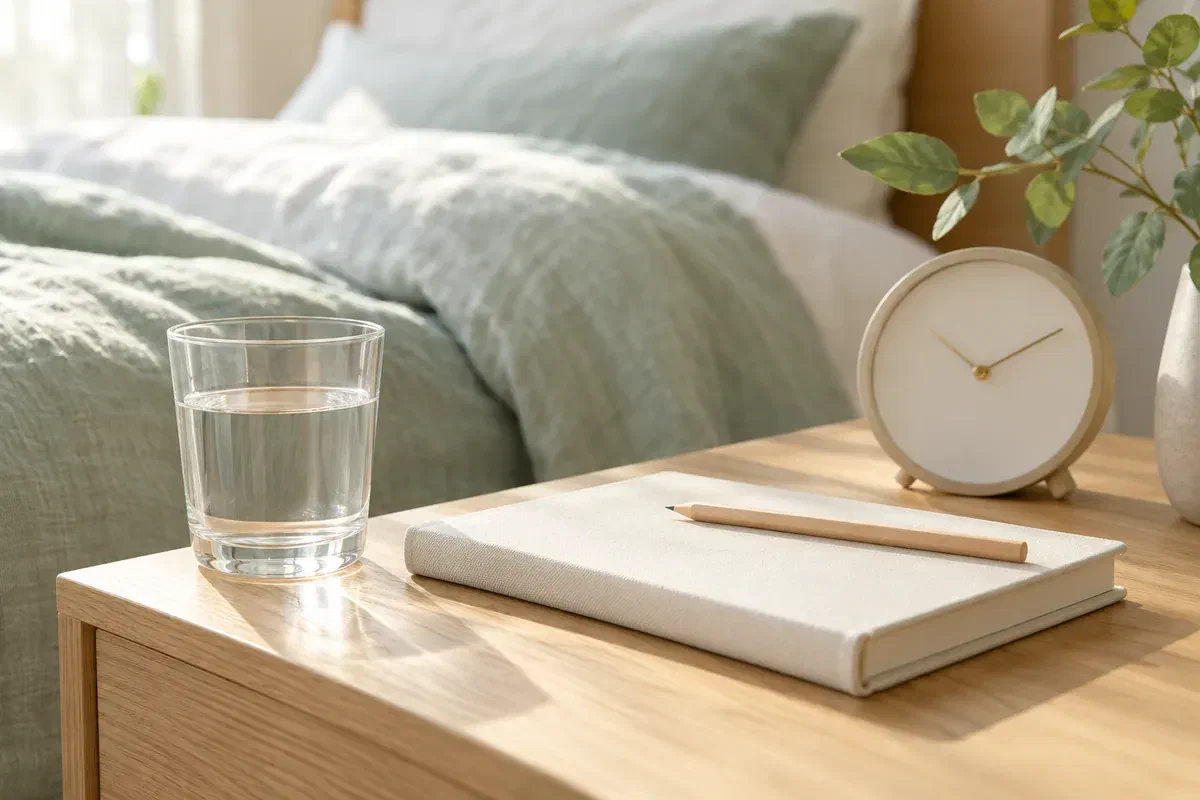
Illustrative morning bedside scene with water, a notebook, and a simple clock
Two sets of observations

Bring what you feel and what they hear.

You do not need to piece the cause together yourself. Tell us about your mornings and anything reported overnight, and be specific about symptoms involving sleep, jaw movement, or one tooth.

Your side: stiffness or soreness by breakfast

Describe where it aches and whether eating eases it, has no effect, or makes it worse. Mention if one or both sides are involved and if opening is limited. The dentist sets this alongside the examination, as morning discomfort can come from more than one source.

A tooth, a filling, or a guard that has changed

Biting pain, sensitivity, a chip, or a restoration that feels different are all relevant. If you wear an appliance, let us know how old it is and whether its fit or comfort has shifted. Bring it along and resist the urge to trim it at home.

Their side: snoring, pauses, or gasping

Loud snoring, breathing pauses someone has watched, waking with a gasp, or significant daytime sleepiness should be raised with a medical provider. A dentist cannot diagnose a sleep disorder from jaw pain. Tell us about any sleep testing or prescribed therapy so the advice fits together.

Seek advice the same day for a jaw that locks for the first time, obvious swelling, fever, or trouble eating or drinking. Chest pressure, shortness of breath, sweating, or sudden illness alongside jaw pain may be an emergency; call 911 and do not assume the cause is dental or sleep-related.

Keeping the questions separate

Dental findings and sleep concerns each get their proper place.

If a partner has described grinding, it can seem as though the case is closed. The appointment is where that story is weighed against the examination. Ask the dentist which parts of the picture are clear, which are still open, and whether a medical assessment should happen before any treatment decision.

A worthwhile plan names its targets. Protecting teeth, reducing jaw discomfort, and investigating a breathing concern at night are three different jobs. Work out together which ones apply and how you will know whether each is improving, rather than expecting one appliance to take care of everything.

Patient information: NIDCR — bruxism history, symptoms, and examination · NIDCR — conservative care and limitations of jaw pain treatments

An examination of teeth and jaw together

The dentist looks for relevant tooth damage, examines the uncomfortable areas, and assesses jaw movement. Ask whether a finding explains your symptom or simply needs monitoring. Wear that has built up over years does not settle every question about the soreness you have now.

Clarity about what a guard can and cannot do

If an appliance is discussed, ask whether it is mainly meant to protect teeth and how comfort will be reviewed. Its design depends on what the assessment shows. A general dental guard does not treat sleep apnea, and it cannot guarantee that the morning ache will disappear.

Follow-up that includes your partner's view

Decide what to watch, such as how long stiffness lasts on waking, whether breakfast is easier, or whether the overnight noises change. Confirm when to return and what should prompt a sooner call. These everyday reports sit beside the clinical findings at review.

How we work through it

What does the first appointment involve?

A formal sleep recording is not required to begin. Knowing when the ache appears, what accompanies it, what has been noticed overnight, and what you have tried already is a good foundation.

  1. History from you, and from them

    Explain when the soreness began and how long it lasts after waking, and pass on anything your partner has observed. Mention headaches, tooth pain, changes in jaw movement, and appliances. We go over your medicines and recent changes; please do not stop anything prescribed on your own.

  2. Examination of the relevant areas

    The dentist assesses teeth, jaw movement, and tender spots, and asks whether any part of the examination brings on the familiar ache. Further tests or images are considered only where they would answer a useful question. Let us know if anything is uncomfortable.

  3. Findings explained, options laid out

    Ask what appears to be contributing and whether a medical or another dental issue should be looked into. If a muscle or joint approach fits, conservative measures and their purpose are discussed. Appliance advice should include what it is for, its limits, fees, and review.

  4. A plan to follow and a date to revisit it

    Make sure the instructions are clear and you know what to do if symptoms change. Agree on a review and what to bring. If a physician referral is suggested, ask who will arrange it and how its results might influence your dental care.

Back home in Burlington

Keep an eye on things, then get on with your day.

Follow the advice chosen for you and keep the routine realistic. Starting several unreviewed remedies together makes it hard to tell which one is helping or making matters worse.

A short shared record

Jot down the time the soreness shows up, how many minutes or hours it hangs on, and whether meals or opening suffer. Your partner can add a line about snoring or grinding if they notice changes. Keep it brief, and avoid clenching or stretching just to test it.

Appliances worn as directed

A guard, if you were given one, should be worn and cleaned the way it was demonstrated, then brought along to the review. Pain means taking it out and phoning the practice that made it. Leave its shape alone; an appliance is not supposed to hurt.

Medical and dental advice kept aligned

If your doctor orders tests, changes a prescription, or starts you on sleep therapy, keep us posted. That therapy and any medication should carry on as prescribed, dental plan or not. When the two sets of advice seem to collide, ask both clinicians to sort out who is handling what.

Shaping the response

Dental care, conservative care, or a medical referral, depending on what we find

What happens next depends on what turns up. With every suggestion, it is fair to ask which finding prompted it, and whether it is aimed at a tooth, at the discomfort itself, or at a health question your physician should handle.

When a tooth explains part of the soreness

Treating a dental problem that has been identified

Should the examination uncover a cracked, decayed, or failing tooth, that tooth may need treating on its own terms. Find out which of your morning symptoms the work should ease and whether some jaw soreness is likely to linger. A guard is never a reason to leave a painful tooth uninvestigated.

When the findings suit a conservative approach

Reversible jaw care, with an appliance if indicated

Advice and simple, undoable measures usually lead, and an appliance joins them only when the findings back it up. Whether any of it helps is something we check together. Filing teeth or permanently reworking the bite has no place as an opening move for a morning ache with no clear cause.

When the overnight story raises a medical question

Sleep or specialist assessment as well as dental care

Breathing symptoms at night or pain without a clear source may need another clinician's input. Ask what the referral will investigate and who will coordinate care. A sleep disorder has to be diagnosed through proper assessment, never assumed from a sore jaw on waking.

Patient information: NHLBI — evaluation and diagnosis of sleep apnea

Questions couples ask

What partners and patients tend to wonder

Use these as a warm-up for the appointment. Your actual plan will be shaped by your story, your partner's observations, and what the examination shows about teeth, jaw, and sleep.

(905) 876-4488
My partner hears grinding at night. Is that enough to confirm bruxism?
It is helpful information, but it does not settle the question by itself. The dentist combines that report with your symptoms and an examination of the teeth and jaw, then explains whether more investigation would add anything useful.
Can my partner come to the appointment to describe what they hear?
You are welcome to bring them, or simply bring a written note of what they have noticed and when. Specific details, such as how often and at what time of night, tend to be more useful than a general impression.
Snoring and a sore jaw together: should I see a doctor or a dentist first?
Both can be involved. Snoring with breathing pauses or heavy daytime sleepiness should be discussed with a physician. The dentist can examine the teeth and jaw and, where appropriate, coordinate with the clinician looking into the sleep concern.
Would recording myself at night help the dentist?
It is not required. If you or a partner happen to have notes or a short recording, you can mention them. The history and examination remain the foundation of the assessment, and you do not need special equipment to book.
If I already use prescribed sleep therapy, can a dental guard replace it?
No. Keep using the therapy you were prescribed and talk to the clinician managing it about any concerns. A general dental guard has a different purpose. We can coordinate dental advice with your sleep care if that is helpful.
Is it worth the trip from Burlington if the ache fades by mid-morning?
Yes, when it keeps coming back or affects eating and comfort. Tell us that it fades and roughly when. That pattern helps the dentist interpret the complaint, while the examination checks whether a tooth or jaw concern needs attention.
Morning jaw pain care for Burlington

Bring both versions of the story.

To book, call Milton Dental Clinic on (905) 876-4488 and mention morning jaw pain. On the day, come to our Bronte Street practice with any guard, your own notes, and whatever your partner has noticed, and we will talk through what we see and a sensible next step.

What lies behind the soreness, whether a guard makes sense, how quickly things change, and whether a doctor should be involved all differ from one person to another. Web forms and email suit questions that can wait a day or two.

Visit Milton Dental Clinic
Unit 1, 342 Bronte St. S, Milton, ON L9T 5B7
Get directions Clinic hours
Monday–Thursday
11am–7pm
Friday–Sunday
By appointment only

Areas we serve

  • Milton
  • Oakville
  • Mississauga
  • Georgetown
  • Halton Hills
  • Acton
  • Campbellville
  • Brampton
  • Burlington
  • Puslinch
  • Rockwood
  • Erin
  • Caledon
  • Etobicoke
  • Old Milton
  • Bronte Meadows
  • Timberlea
  • Dorset Park
  • Dempsey
  • Clarke
  • Beaty
  • Coates
  • Harrison
  • Scott
  • Willmott
  • Ford
  • Bowes
  • Cobden
  • Walker
  • Mountain View
  • Milton Heights
  • Hawthorne Village
  • Valley View
  • Fallingbrook
  • Nassagaweya
  • Trafalgar
  • Esquesing
  • Nelson
  • Brookville
  • Moffat
  • Glen Williams
  • Norval
  • Limehouse
  • Stewarttown
  • Ashgrove
  • Hornby
  • Silver Creek
  • Speyside
  • Scotch Block
  • North Oakville
  • River Oaks
  • Glen Abbey
  • West Oak Trails
  • Palermo
  • Bronte Creek
  • College Park
  • Joshua Creek
  • Uptown Core
  • Preserve
  • Iroquois Ridge
  • Lisgar
  • Meadowvale
  • Meadowvale Village
  • Churchill Meadows
  • Erin Mills
  • Central Erin Mills
  • Streetsville
  • East Credit
  • Creditview
  • Heartland
  • Sheridan
  • Mount Pleasant
  • Credit Valley
  • Huttonville
  • Churchville
  • Springbrook
  • Northwest Brampton
  • Bram West
  • Fletcher's Meadow
  • Fletcher's Creek South
  • Alton Village
  • Orchard
  • Millcroft
  • Headon Forest
  • Tansley
  • Brant Hills
  • Tyandaga
  • Kilbride
  • Lowville
  • Aberfoyle
  • Morriston
  • Arkell
  • Hillsburgh
  • Freelton
  • Carlisle
  • Waterdown
  • Flamborough
  • Mountsberg

How can we help?

Milton Dental Clinic

Have a question about your smile? Choose the option that works best for you.

For urgent dental concerns, please call.
Messages are reviewed during clinic hours.