

Illustrative patient discussing a dental appliance with a clinician
Specialized Care

Nightguards for Teeth Grinding in Oakville

Tried a drugstore guard and found it bulky, loose, or simply forgotten in a drawer? If you are coming from Oakville, we can examine the wear first and then discuss whether a professionally fitted appliance has a real role.

Beyond the boil-and-bite

Store-bought first, questions second.

Plenty of people meet grinding the same way: a sore jaw or a chipped edge, a quick trip to the pharmacy, and a guard moulded in a pot of hot water. Sometimes it helps for a while. Often it ends up unused. Either way, it skipped the step that matters most, which is finding out what your teeth actually show.

A nightguard is worn over the teeth, usually overnight, to give them a protective surface to meet against. That is its job. It is not built to halt every grinding episode, guarantee an end to jaw pain, or replace enamel already lost. Knowing that limit makes it easier to judge what a custom appliance might add.

When you visit from Oakville, bring the store guard with you, even if it is chewed through or warped. How it fit, where it rubbed, and why you stopped wearing it are all useful history. The examination then shows whether protection, monitoring, or another kind of care should come first.

Compare your options with a dentist
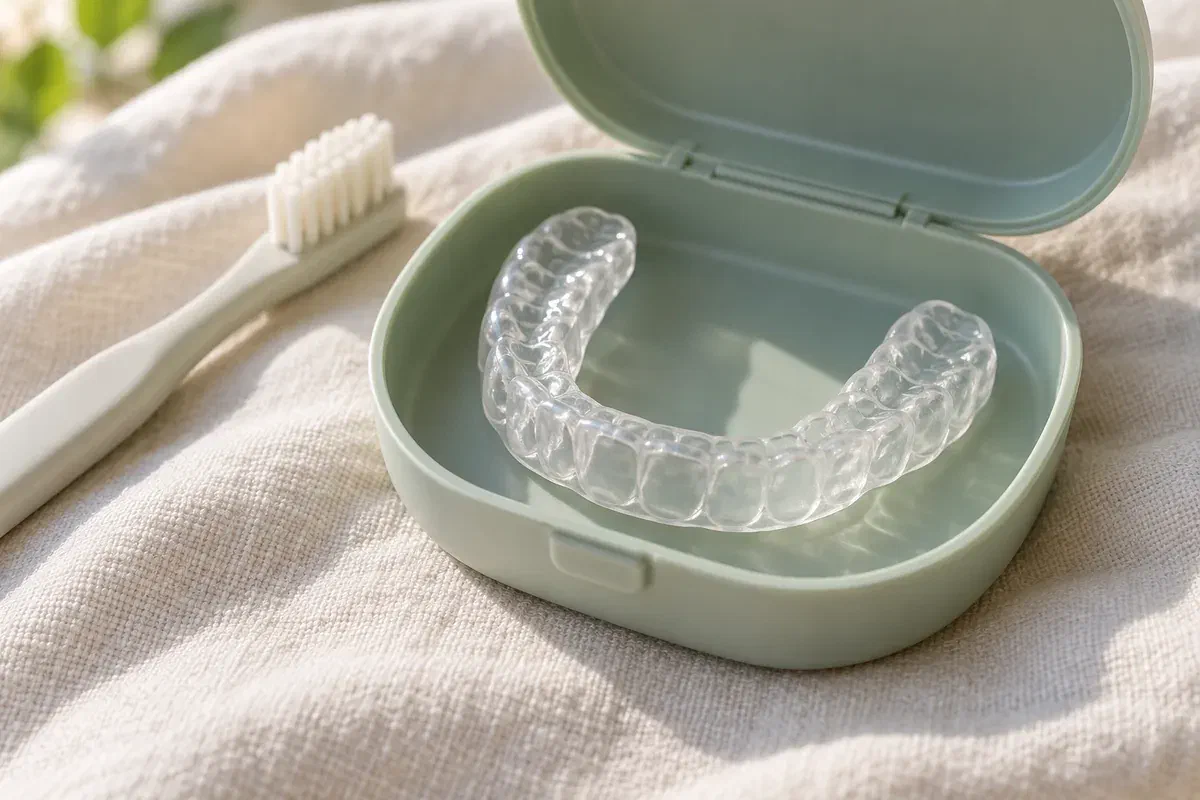
Illustrative translucent dental nightguard in an open storage case beside a toothbrush
Why people come in

Damage, habits, and a guard that never felt right.

Every fitted guard needs a clinical reason behind it. Describe what you have noticed, keeping in mind that a worn tooth and a tired jaw might have separate explanations and need separate answers.

Flattened, chipped, or sensitive teeth

Show the dentist where edges have changed, where teeth feel sensitive, or which fillings keep breaking. Ask whether the findings suggest wear that is happening now or an older pattern to monitor. A tooth that needs testing or repair should be looked after before any guard is planned over it.

Grinding you hear about and clenching you feel

Someone hearing grinding while you sleep is different from catching your own jaw tight in traffic. Mention each one. A guard worn at night does nothing for daytime clenching, so ask whether that habit needs other advice or simply some watching.

A drugstore or older guard that causes trouble

Describe looseness, a tight grip, sore spots, or a change since recent treatment, and bring the appliance rather than forcing it in. A guard that fit an earlier version of your mouth may need review after new dental work or other changes.

A tooth that aches, fresh swelling, a jaw that locks, or difficulty eating needs its own assessment. Covering it with an over-the-counter guard and waiting is not a plan for whatever is causing it.

What changes with a fitted guard

A clear target, a proper fit, and someone checking on it.

The main difference is not the plastic. It is the purpose. Before anything is made, ask which teeth or restorations need protecting, what the dentist will look for at later visits, and whether other treatment comes first. That way the guard has a defined place in your care instead of being asked to fix everything.

A professionally made appliance also comes with fitting and follow-up rather than ending at the checkout. Mention anything that might make nightly wear hard, such as gagging, tender teeth, or fiddly hands. Raising those concerns early helps you avoid committing to a device you would struggle to use.

Patient information: NIDCR — limitations and review of intraoral appliances for jaw pain

Made around your examination

Go over the planned coverage, material, and fit with the dentist, and ask why that design was chosen for you. If a new filling or crown is on the way, ask whether it should be finished first. An appliance shaped to an older tooth may not suit the new one.

Limits stated up front

Protecting teeth does not promise relief from jaw pain or headaches. A grinding guard is also not the appliance used within a sleep-apnea treatment plan. If snoring or interrupted breathing has been mentioned at home, say so, and the right kind of assessment can be discussed.

Review instead of guesswork

Ask how often the guard should be checked and which changes mean booking sooner. The team looks at the appliance's condition and fit and asks how you are finding it. Even a well-fitted device needs attention when your teeth or symptoms change.

What the appointments cover

From the first look to a comfortable routine.

Visit numbers and spacing depend on your dental health and the appliance being discussed. Ask what is included, from any treatment needed beforehand to fitting and follow-up.

  1. Examine and ask why

    Share your symptoms, any grinding someone has heard, your existing dental work, and your experience with the store guard. The dentist examines the relevant teeth and considers whether another issue needs care. Ask what supports a recommendation and whether observing for a while is reasonable.

  2. Settle the design, then take records

    If a guard is a good fit for your situation, talk through its coverage, material, likely fees, and how you will use it. Scans or impressions of your teeth and bite may follow. Mention work planned with another dentist, as changes to tooth shape affect timing.

  3. Try it in with guidance

    At the fitting, the clinician shows you how to seat and remove the guard and checks how it sits. Point out pressure, rough edges, or difficulty getting it in. You should leave knowing when to wear it and how to care for it, without having to judge discomfort on your own.

  4. Return for a check

    Agree on a review date and which problems justify calling sooner. Bring the guard to routine appointments so it is assessed with your teeth. Each review covers how you are getting on and any change in symptoms, as well as wear on the device.

Looking after it at home

Small routines that keep the guard in good shape.

Materials differ, so the instructions that come with your appliance come first. Ask for a demonstration or written guidance if the cleaner, storage, or wear schedule is unclear.

Follow the cleaning method for its material

Brush your teeth before putting the guard in and clean it as directed afterward. Ask which products are safe for it rather than assuming a denture cleaner or household product will be fine. Skip hot water, which can distort some materials, and keep the case clean.

Give it a safe place to live

Use the case and keep it away from heat, pets, and bags or pockets where it could be crushed. Do not wrap it in a napkin or tissue that might get tossed. Ask how to pack it for travel or store it during a break.

Call when comfort or fit changes

If the guard hurts, take it out and contact the clinician who provided it. Avoid trimming, heating, bending, or gluing it yourself. Cracks, sharp spots, a bite that stays changed, or trouble seating it all warrant a proper review.

Patient information: United Lincolnshire Hospitals — bite guard care instructions

The choices on the table

Observe, protect, or investigate something else.

Weigh the expected benefit against the alternatives once you know the findings. The decision should fit your teeth, your symptoms, and whether you will realistically wear the appliance, not a one-size rule.

When findings suggest watching

Review the wear before making a guard

Sometimes a planned recheck makes more sense than an immediate appliance. Ask what will be compared next time and what change would alter the advice. Monitoring should have a clear purpose and a return date, particularly if you are concerned about ongoing damage.

When protection has a clear role

A fitted guard with follow-up

Discuss an appropriate design, what it cannot achieve, and the follow-up responsible use needs. It can protect surfaces while other contributing concerns are managed. It does not replace needed repairs, routine cleanings, or assessment of new symptoms.

When something else needs its own plan

Separate care for a tooth, the jaw, or sleep

A single painful tooth, lasting jaw symptoms, or possible breathing problems during sleep may need more investigation. Ask who should assess each one. A guard should not delay another diagnosis or stand in for prescribed medical sleep treatment.

Questions about switching guards

Moving from a store guard to a fitted one.

Bring your questions along with any guard you already have. The answers should match your teeth and the appliance under discussion, including what to do if it becomes uncomfortable.

(905) 876-4488
Why did my drugstore guard feel so bulky?
Moulded guards are shaped at home without an examination or adjustment, so fit and thickness can vary. Bring it to your visit. The dentist can look at how it sat and discuss whether a fitted design might suit you better.
Can I keep wearing my store guard while a custom one is being made?
Ask the dentist before deciding. Whether it is reasonable depends on its condition, how it fits, and what your examination shows. If it causes pain or seems to change your bite, stop and mention it.
Does a guard go on the upper or lower teeth?
That depends on your teeth, existing dental work, and the design the dentist recommends. Ask why a particular arch was chosen for you and how it affects comfort and fit.
Can a nightguard rebuild the edges I have already worn down?
No. A guard protects surfaces going forward; it does not restore enamel or repair chips, cracks, or decay. Ask which teeth may need restorative care and how that work fits with the appliance plan.
Is it a problem if I only wear my guard some nights?
Ask what wear schedule was intended for your situation. If nightly use is hard, tell the team why, whether it is comfort, gagging, or simply remembering, so the plan can be reviewed rather than quietly abandoned.
How many trips from Oakville should I plan for?
It depends on your examination and whether other treatment is needed first. A typical plan includes an assessment, records, a fitting, and a review. Ask at the first visit so you can plan your schedule around it.
Nightguard care for Oakville

Bring the old guard and let's start with your teeth.

Phone our Bronte Street practice at (905) 876-4488 to book an assessment. Bring any appliance you have tried and tell us about planned dental work, so the discussion can cover protection, fit, and follow-up for your situation.

Appliance suitability, design, lifespan, symptom response, and replacement needs differ between people. If a breathing problem during sleep is suspected, it needs its own diagnosis and prescribed care, which a grinding guard cannot provide.

Visit Milton Dental Clinic
Unit 1, 342 Bronte St. S, Milton, ON L9T 5B7
Get directions Clinic hours
Monday–Thursday
11am–7pm
Friday–Sunday
By appointment only

Areas we serve

  • Milton
  • Oakville
  • Mississauga
  • Georgetown
  • Halton Hills
  • Acton
  • Campbellville
  • Brampton
  • Burlington
  • Puslinch
  • Rockwood
  • Erin
  • Caledon
  • Etobicoke
  • Old Milton
  • Bronte Meadows
  • Timberlea
  • Dorset Park
  • Dempsey
  • Clarke
  • Beaty
  • Coates
  • Harrison
  • Scott
  • Willmott
  • Ford
  • Bowes
  • Cobden
  • Walker
  • Mountain View
  • Milton Heights
  • Hawthorne Village
  • Valley View
  • Fallingbrook
  • Nassagaweya
  • Trafalgar
  • Esquesing
  • Nelson
  • Brookville
  • Moffat
  • Glen Williams
  • Norval
  • Limehouse
  • Stewarttown
  • Ashgrove
  • Hornby
  • Silver Creek
  • Speyside
  • Scotch Block
  • North Oakville
  • River Oaks
  • Glen Abbey
  • West Oak Trails
  • Palermo
  • Bronte Creek
  • College Park
  • Joshua Creek
  • Uptown Core
  • Preserve
  • Iroquois Ridge
  • Lisgar
  • Meadowvale
  • Meadowvale Village
  • Churchill Meadows
  • Erin Mills
  • Central Erin Mills
  • Streetsville
  • East Credit
  • Creditview
  • Heartland
  • Sheridan
  • Mount Pleasant
  • Credit Valley
  • Huttonville
  • Churchville
  • Springbrook
  • Northwest Brampton
  • Bram West
  • Fletcher's Meadow
  • Fletcher's Creek South
  • Alton Village
  • Orchard
  • Millcroft
  • Headon Forest
  • Tansley
  • Brant Hills
  • Tyandaga
  • Kilbride
  • Lowville
  • Aberfoyle
  • Morriston
  • Arkell
  • Hillsburgh
  • Freelton
  • Carlisle
  • Waterdown
  • Flamborough
  • Mountsberg

How can we help?

Milton Dental Clinic

Have a question about your smile? Choose the option that works best for you.

For urgent dental concerns, please call.
Messages are reviewed during clinic hours.