

Illustrative patient discussing an oral lesion assessment with a clinician
Specialized Care

Oral Lesion Removal in Burlington

A little bump inside the cheek that your teeth catch every few days can wear on you. Before deciding to take it off, the dentist examines it and the edge it keeps meeting. From Burlington, you can book that assessment and talk through removal, sampling or referral.

The spot your teeth keep finding

Bitten again? Let's find out what that bump really is.

You're halfway through a sandwich and catch it again: the small, smooth lump on the inside of your cheek or lip. It stings, settles, and returns a week later. Dentists call any patch of tissue that looks or feels different an oral lesion. That's a description, not a diagnosis, and it doesn't settle how the spot should be handled.

Taking out a lump that is repeatedly bitten can make sense, yet the dentist still needs to examine it before choosing. A small sample might come first, or the whole lesion may be removed and tested in one step, known as an excisional biopsy. In other cases a specialist's view is the better place to begin.

Coming from Burlington, describe how often the area gets caught and what you've tried. We'll look at the tissue and your bite, explain what the assessment involves and whether a referral fits, and won't assume the first visit includes removal or promise a particular result.

Get that recurring bump assessed
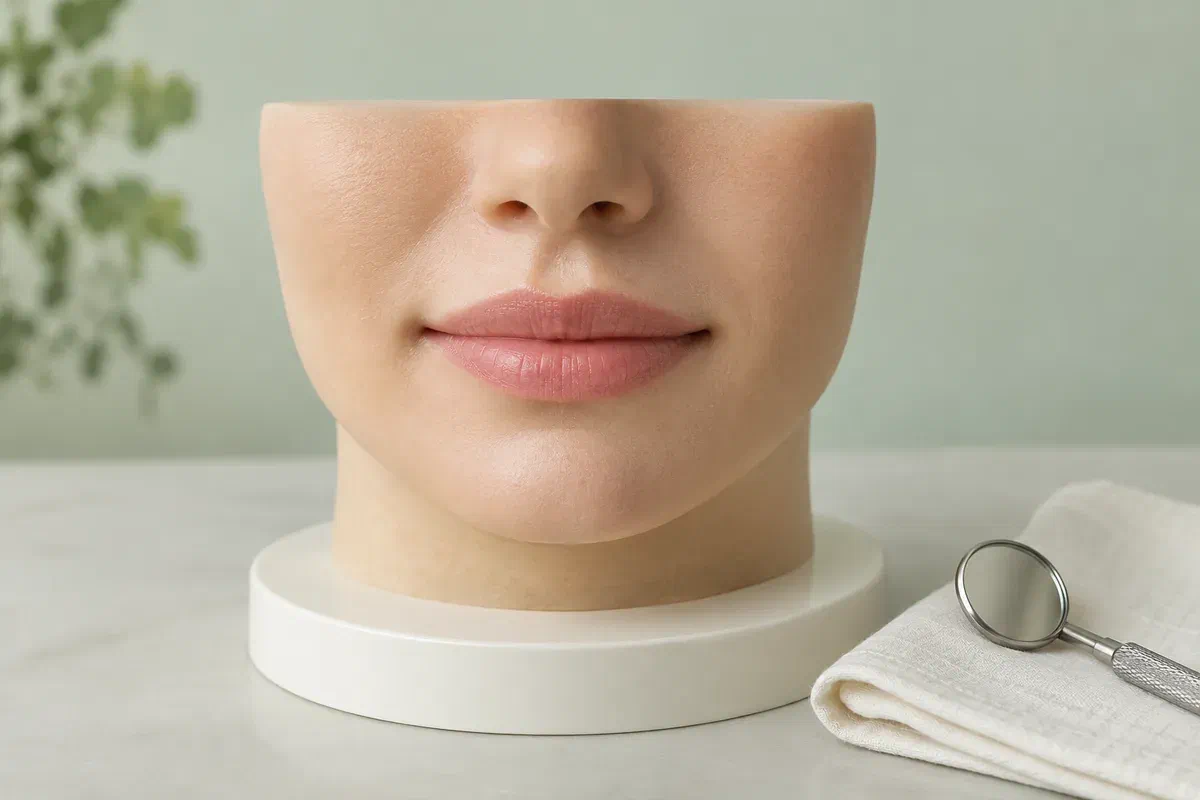
Illustrative closed-mouth teaching model on a display base beside a dental mirror
Worth mentioning at the visit

Tell us what bumps into it, and what it's done lately.

Think about when the lump first showed up and whether it swells after being bitten, shrinks, or never really changes. If anyone else has examined it, bring the notes or referral, since those details help us avoid starting from scratch.

Teeth, fillings or appliances that catch it

Point out whether you bite it while chewing or during sleep, and whether a chipped tooth, crown edge, aligner or night guard touches it. We'll assess both the tissue and what's hitting it. Finding a likely cause is helpful, but it doesn't confirm what the lump is.

Swelling, colour or texture shifts

Tell us if the lump has grown, changed colour, become firmer, started bleeding or made eating uncomfortable. A lesion can matter even when it doesn't hurt. Try to stop worrying it with your tongue or teeth while you wait for the appointment.

A lump that was treated before

If a similar spot was taken off or sampled in the past, mention it and bring the result if you have one. A returning bump needs its own assessment rather than being assumed identical to the first. Earlier records help the dentist see what is already known.

Have a persistent or changing lesion assessed, and keep to the urgency of any referral already in hand. It isn't safe to bite off, pop, burn or snip mouth tissue at home. Bleeding you can't stop, or any trouble breathing or swallowing, needs urgent medical attention.

Good questions before treatment

Is this about comfort, a diagnosis, or both?

With a lump you keep biting, comfort is often the first thing on your mind. Even so, ask the dentist what the procedure is mainly meant to do. It may be to find out what the tissue is, to treat something already identified, to stop the cycle of injury, or a combination. The answer helps you weigh alternatives and reminds everyone that taking away the bump is not always the whole story.

Location shapes the details. A lump on the lip heals differently from one deep on the cheek or under the tongue. Ask what sits close by, how long tenderness tends to last there, and whether talking or chewing will feel different for a while. If a specialist is mentioned, ask why and who will arrange it and share results.

Advice based on what is found

The dentist looks at your history and the tissue itself before recommending removal. Ask whether other tests might change that advice. An image search can't show that your bump is harmless, and it can't choose between procedures for you.

Knowing whether the tissue is tested

Ask if the removed lump will be sent for laboratory review and how you'll receive the findings. If it was biopsied before, discuss what that result means for the plan now. Be clear about which provider reads the report and talks it over with you.

Follow-up with more than one purpose

A later visit may look at healing, explain the lab report, or address the edge that caused the biting. Ask which of these each appointment covers. The site feeling better doesn't answer what the tissue was, so the result still needs a conversation.

How we work through it

Examine the lump and the bite, then decide.

You should know what is planned and why before you sign a consent form. If you're nervous about the procedure, the possible findings or missing work, tell the dentist so it can be talked through rather than left hanging.

  1. Assess the lump and its surroundings

    We'll ask about its history, look at how your teeth meet, and review any reports or referral letters. Medicines, allergies, bleeding tendencies and health conditions are covered too. This helps decide whether removal, sampling, a period of review or a specialist opinion suits best.

  2. Decide on the extent and alternatives

    The dentist explains what tissue would come out and why. Ask about risks at that location, the numbing plan, and whether a specialist should do it. Get the stages and costs confirmed ahead of time, since an assessment visit doesn't automatically include removal.

  3. Carry out treatment and go over care

    If you go ahead, the clinician performs the agreed procedure and sends tissue to a lab when that's indicated. Ask whether stitches are used and whether they dissolve. You'll leave with written instructions and a number to call with recovery questions.

  4. Review healing, findings and the cause

    Come back for the follow-up and ask for the result in clear language. Check whether the concern is resolved or whether more testing, treatment or monitoring is suggested. If a sharp tooth or appliance is still catching the area, plan how to fix it.

Once the lump is gone

Don't bite the healing spot, and don't forget the result.

Healing depends on how much was taken, where it was, and your health in general. Follow the written instructions from the clinician who treated you, and ask about anything that looks tricky to manage at home.

Chew with care and clean as directed

Ask which foods to avoid for now and how to brush near the site. While the area is numb, it's easy to bite it again, so chew slowly on the other side. Advice from an unrelated dental procedure may not apply, and a new rinse shouldn't be started unless it was suggested.

Let the wound and stitches be

Avoid pulling your cheek or lip out to look at the site, and don't run your teeth over it. Ask whether the stitches dissolve or need taking out. If anything seems odd, describe it to the team rather than trimming or tugging at it.

Watch for warning signs and keep the review

Call if pain increases, swelling grows noticeably, you develop a fever, or bleeding doesn't ease with the instructions given. Keep the results appointment, even if the spot heals easily. If the expected call doesn't come, phone to check how you'll hear the findings.

Choosing a route

Remove it, sample it, watch it, or refer it?

Ask why the recommended approach suits this lump in particular. The plan should say what the dentist is trying to learn and what would make them advise something else.

When the exam supports watching for a time

Fix the irritant, then review

Smoothing a rough tooth or adjusting a guard may come first, followed by a look at the tissue later. Ask when that check will be and which changes mean calling sooner. A review should have a clear purpose and a date, not become open-ended waiting.

When lab testing or local treatment is needed

Sample or remove a suitable lump

Taking part of the lesion for testing, or the whole of a small one, may be discussed. Ask which is planned and whether more care might follow the report. How small the bump looks doesn't establish what it is, or mean one visit will settle everything.

When the findings or site call for wider expertise

Specialist opinion before treatment

A referral may come first if the area needs further evaluation or a different setting for the procedure. Ask how urgent it is and how to follow up if you don't hear back. A specialist can help set the order of care before the tissue is changed.

Burlington questions about bitten lumps

Answers about bumps, bites and removal

The right answer depends on the examination and anything already known about the lump. Bring earlier reports and say what bothers you most, so the visit can focus on the choices that apply.

(905) 876-4488
Why does the same spot in my cheek keep getting bitten?
Once tissue swells after a bite, it sits further into the path of your teeth, which can make it easier to catch again. Tooth position, a sharp edge or an appliance can contribute. The dentist will look at both the lump and your bite.
If I stop biting it, will the lump go away on its own?
Some irritated areas settle once the injury stops, and some don’t. A lump that persists, grows or changes should be examined rather than left to see what happens. Ask the dentist whether a review or removal makes more sense.
Could a night guard help while I wait to be seen?
It might, if night-time clenching or grinding is part of the problem, but a guard should be fitted and checked by a dentist. Mention any guard or aligner you already wear, since its edges can also rub the tissue.
Will removing the bump also tell me what it was?
Only if the tissue is sent for testing and the report is reviewed with the clinical findings. Ask whether that’s planned and who will explain the result. A comfortable site after removal doesn’t give you the diagnosis.
Is it normal for the area to feel tight while it heals?
Some tightness or tenderness can happen as tissue heals, especially where stitches were placed. Follow the aftercare you were given, and call if pain worsens, swelling increases or something doesn’t seem right.
Should I pop or squeeze a bump that looks like a fluid blister?
No. Squeezing, puncturing or cutting mouth tissue at home can injure it and make assessment harder. Leave it alone and book an examination so the dentist can see it as it is.
Booking from Burlington

Stop biting around the problem and have it checked.

Reach our Bronte Street practice at (905) 876-4488 to request an oral lesion assessment. If there's a referral, a past biopsy or a recent change in the lump, mention it when you call so we can book the right kind of visit.

Removal isn't suitable for every lesion. Diagnosis, where it is treated, any referral, healing and follow-up depend on the examination and any lab findings.

Visit Milton Dental Clinic
Unit 1, 342 Bronte St. S, Milton, ON L9T 5B7
Get directions Clinic hours
Monday–Thursday
11am–7pm
Friday–Sunday
By appointment only

Areas we serve

  • Milton
  • Oakville
  • Mississauga
  • Georgetown
  • Halton Hills
  • Acton
  • Campbellville
  • Brampton
  • Burlington
  • Puslinch
  • Rockwood
  • Erin
  • Caledon
  • Etobicoke
  • Old Milton
  • Bronte Meadows
  • Timberlea
  • Dorset Park
  • Dempsey
  • Clarke
  • Beaty
  • Coates
  • Harrison
  • Scott
  • Willmott
  • Ford
  • Bowes
  • Cobden
  • Walker
  • Mountain View
  • Milton Heights
  • Hawthorne Village
  • Valley View
  • Fallingbrook
  • Nassagaweya
  • Trafalgar
  • Esquesing
  • Nelson
  • Brookville
  • Moffat
  • Glen Williams
  • Norval
  • Limehouse
  • Stewarttown
  • Ashgrove
  • Hornby
  • Silver Creek
  • Speyside
  • Scotch Block
  • North Oakville
  • River Oaks
  • Glen Abbey
  • West Oak Trails
  • Palermo
  • Bronte Creek
  • College Park
  • Joshua Creek
  • Uptown Core
  • Preserve
  • Iroquois Ridge
  • Lisgar
  • Meadowvale
  • Meadowvale Village
  • Churchill Meadows
  • Erin Mills
  • Central Erin Mills
  • Streetsville
  • East Credit
  • Creditview
  • Heartland
  • Sheridan
  • Mount Pleasant
  • Credit Valley
  • Huttonville
  • Churchville
  • Springbrook
  • Northwest Brampton
  • Bram West
  • Fletcher's Meadow
  • Fletcher's Creek South
  • Alton Village
  • Orchard
  • Millcroft
  • Headon Forest
  • Tansley
  • Brant Hills
  • Tyandaga
  • Kilbride
  • Lowville
  • Aberfoyle
  • Morriston
  • Arkell
  • Hillsburgh
  • Freelton
  • Carlisle
  • Waterdown
  • Flamborough
  • Mountsberg

How can we help?

Milton Dental Clinic

Have a question about your smile? Choose the option that works best for you.

For urgent dental concerns, please call.
Messages are reviewed during clinic hours.