

Illustrative awake patient discussing dental anxiety and treatment planning with a clinician
Specialized Care

Oral Sedation Consultations in Old Milton

A frightening visit from years ago can still shape how you feel about the dentist today. An oral sedation consultation lets you talk about that, review your health and the treatment you need, and find out whether a sedative, a different kind of support, or a referral makes sense for you.

Old Milton, and old memories

When the last bad visit was decades ago but still feels close

Plenty of adults carry a memory of a painful or rushed appointment from childhood. That memory can make even a routine cleaning feel out of reach. A consultation gives you time to say so out loud. It is a discussion, not a prescription, and nothing about it promises that treatment will be done under sedation.

What does oral sedation actually involve? You swallow a prescribed medication according to a plan written for you, and the clinician aims for a particular level of relaxation. That makes it different from general anaesthesia, and it is never free of risk. Freezing the tooth or gum is still handled separately, so ask how pain will be controlled during the procedure itself.

Our Bronte Street practice sits close to Milton's historic downtown, so a first conversation can fit into an ordinary errand day in Old Milton. You can describe your worries without agreeing to any sedation booking. Ask which approaches are offered, who would provide them, and whether a referral would be more appropriate. A good visit ends with a next step you understand.

Start a conversation about anxiety
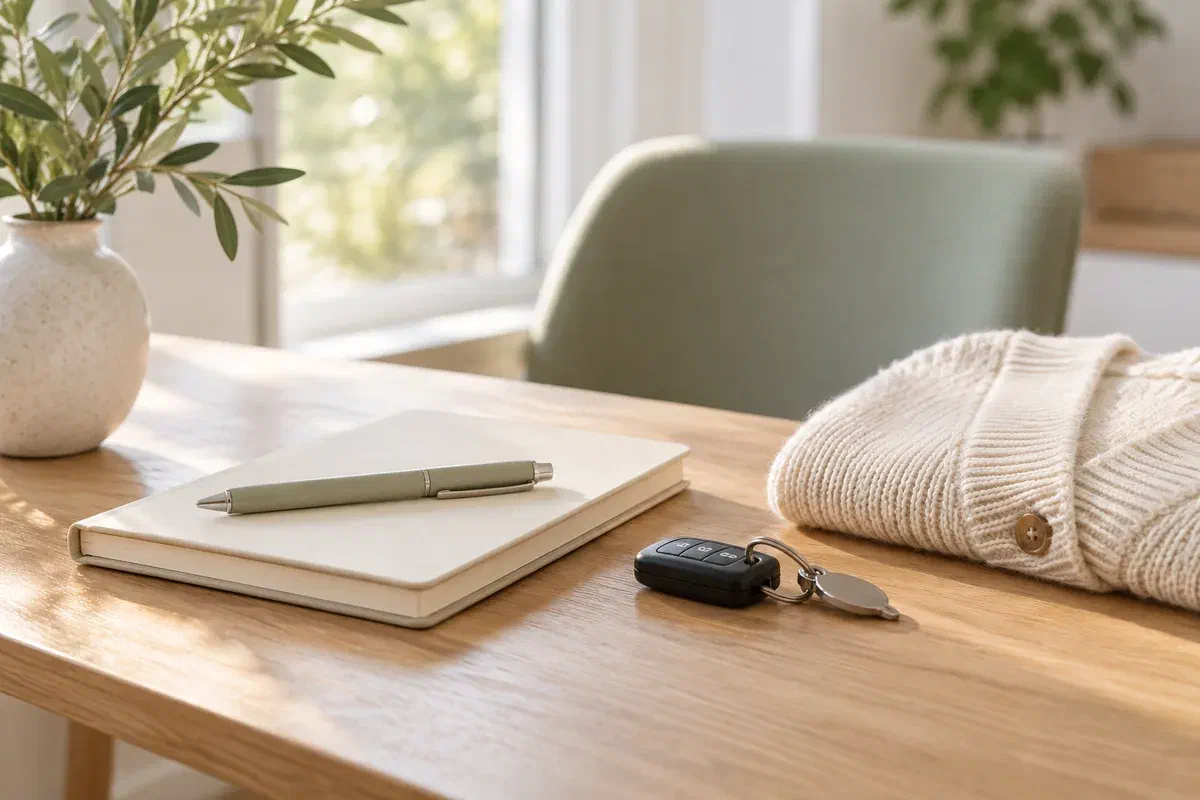
Illustrative consultation notebook, pen, and travel keys beside a folded cardigan
Worth saying out loud

Tell us what happened before, and what your body needs now.

The details you share guide the plan. Mention what went wrong in earlier care and what made any part of it bearable. Two anxious people rarely need the same medicine or the same kind of appointment.

The step you dread most

It might be the injection, the whine of a handpiece, a strong gag reflex, or the sense of being trapped in the chair. Is the worry worst on the drive over or once treatment begins? Either way, you can ask for a slower pace and a signal to stop without retelling your history.

Health changes since your last visit

Years away from the dentist often means new prescriptions or diagnoses. Bring an up-to-date medicine list and mention earlier reactions to sedation or anaesthetic, breathing or sleep problems, allergies, and pregnancy or breastfeeding. Supplements, alcohol, cannabis, and other substances matter as well, because they can interact with sedatives.

Practical help on the day

A proposed plan may call for someone to accompany you, keep an eye on you afterward, and give you time to recover. If you care for a spouse, work part-time, or live alone, mention it early. Those circumstances help decide what kind of appointment is suitable.

Please do not calm your nerves before the consultation with a borrowed pill, an old prescription, or an extra dose of anything. Sedatives should only be taken as the treating clinician instructs. If you have already taken something that could make you sleepy, let the team know.

Why talk before booking treatment

Understanding comes first; decisions follow.

A sedation discussion only makes sense next to a clear picture of the dental work. Which procedure is recommended, and for what reason? Are there alternatives, and could the work be spread across smaller visits? Accepting help with anxiety should never mean losing track of what treatment you are agreeing to.

Expectations deserve the same honesty. Ask what the suggested method may change about your anxiety, awareness, memory, and comfort, and what it will not change. Responses differ from one person to the next, so a sound plan does not count on total forgetfulness or on fitting years of postponed care into one long appointment.

Patient information: RCDSO — consent considerations for treatment involving sedation · NHS England — individual approaches to dental anxiety management

Options beyond a prescription

A stop signal, plain explanations, shorter sessions, and psychological support for dental fear can each be helpful. Tell the team what you would like to try on its own or together with other care. A consultation worth having looks at the whole range, not just medication.

Clarity about the provider and the setting

Who would give the sedation, and where? Are those arrangements in place for someone with your health history and planned procedure? Sometimes another setting is the safer fit. Get a confirmed answer rather than assuming the clinic offers every sedation level.

A consent discussion you can follow

Treatment, risks, alternatives, and practical requirements should all be explained while you are fully alert. Ask for the instructions in writing and question anything that seems unclear. A signature on a form never replaces a conversation that makes sense to you.

What happens, in order

Listen, assess, compare, prepare

Expect the consultation to be a separate appointment from treatment. When booking, say you would like to discuss dental anxiety and sedation so the visit is set up for that conversation.

  1. Your story and your priorities

    Start with what brought you in, including any pain or problem that cannot wait. Share what earlier appointments were like and anything that helped. From there, the clinician can sort the urgent dental need from the slower work of making future visits easier.

  2. A careful look at health and treatment

    Your medical history, current medicines, past responses to sedation, and the nature of the planned dental work are considered together. Sometimes the clinician needs input from your doctor or another provider. Ask what is still unresolved and whether a referral should be part of the plan.

  3. Choosing a route together

    Non-medication strategies and any suitable sedation options are laid side by side, along with benefits, limitations, risks, and fees. The provider and setting are confirmed. Should oral sedation be proposed, ask for the exact instructions that apply to you, not to a neighbour who had a different method.

  4. Getting ready and planning recovery

    Eating and drinking guidance, medicine timing, transport, the escort's role, and limits after treatment are explained. Find out what to do if you fall ill or your arrangements change. Hold on to the written plan and the name of the person who can answer questions.

Once you have talked it through

Share the plan with whoever is coming with you.

Finishing a consultation is not a signal to begin a sedative. If a sedation appointment is scheduled, the instructions for that specific method and date are the ones that count, not tips carried over from another procedure.

Go over the written guidance ahead of time

Look through it days before and ask about your regular medicines, meals, drinks, and when any prescribed dose is due. Avoid improvising a fasting routine or stopping a prescription without advice. When two instructions seem to disagree, call the treating team.

Confirm your companion and the recovery window

Make sure your escort knows how long to stay and what support is expected. Set aside the time the provider specifies away from driving, work, machinery, looking after others, and big decisions. Feeling clear-headed sooner does not shorten those restrictions.

Report changes as they happen

A cold or other new illness, a medicine change, pregnancy, or a problem with transport or supervision should be passed on. Missed a preparation step? Say so honestly before treatment. Up-to-date information lets the team decide whether to go ahead, adjust, or rebook.

Patient information: Blackpool Teaching Hospitals — oral sedation preparation and recovery considerations

Where a consultation can lead

Different needs, different kinds of support

You might leave with a sedation plan, a plan built around other anxiety support, or a referral. In each case, ask why it fits your health, your wishes, and the dental work, rather than assuming a single method suits everyone.

When support without medication fits

Gentle pacing and clear communication

Taking things slowly, explaining each step, and agreeing on a hand signal to pause can be enough for some people. Additional anxiety support may be discussed too. Choosing this path does not make your fear any less real; it simply matches care to what helps you.

When suitability and arrangements check out

Oral sedation within a reviewed plan

Talk through the planned level, the risks, how you would be monitored, pain control, and what recovery requires. Medication has to be taken exactly as prescribed. It is never a shortcut past assessment, consent, an escort arrangement, or a suitable setting.

When needs exceed this pathway

A referral elsewhere

Health, the type of procedure, or the level of anxiety can make another provider or setting the better choice. Ask what the referral will look at and how any urgent dental issue will be managed while you wait. It is a way of fitting care to you, not a guarantee of a certain anaesthetic.

Asked by Old Milton neighbours

Straight answers for nervous adults

Use these to prepare for the conversation, not to pick a medicine or a dose. Only the treating clinician can assess your situation and give instructions for any planned sedation visit.

(905) 876-4488
It has been more than ten years since I saw a dentist. Will I be judged?
No. Long gaps are common, especially when anxiety is involved. The consultation focuses on where things stand now and what would help. Mention any pain or broken teeth so the team can help you work out what needs attention first.
Can my spouse or adult child sit with me during the consultation?
Ask when you book. Having someone you trust nearby can make the conversation easier, and they may also be the person who would act as your escort later. They can hear the instructions directly and ask their own questions about recovery.
My regular heart or blood pressure pills — should I skip them before a sedation visit?
Do not stop or change a prescribed medicine on your own. Bring the full list to the consultation, and the clinician will explain what applies if sedation is planned. If instructions are unclear, contact the treating team rather than guessing.
Does an oral sedative take the place of freezing?
Not usually. A sedative is aimed at anxiety, while local anaesthetic numbs the area being treated. Ask how each one will be handled for your procedure, and do not assume that taking a tablet means no freezing will be used.
Can I get myself home carefully if I feel fine afterward?
No. Sedation can affect judgement and reaction time even when you feel alert. Follow the escort, transport, and driving restrictions the provider sets. If arranging support is difficult, bring it up at the consultation so another plan can be considered.
Is it all right to ask only about non-medication help?
Absolutely. You can say you would rather avoid a sedative and ask about pacing, explanations, staged care, or other anxiety support. The consultation is a place to compare options, and it does not commit you to any medication.
Booking from Old Milton

Let the first step be an ordinary phone call.

Call (905) 876-4488 to arrange a conversation about dental anxiety and your treatment. Please have your medicine list handy, and tell us about any urgent problem so the team can point you to the right next step.

Suitability for sedation, its availability, the provider, the setting, and recovery requirements all depend on an individual assessment. This page does not prescribe medication or confirm that a specific sedation service is available at the clinic.

Visit Milton Dental Clinic
Unit 1, 342 Bronte St. S, Milton, ON L9T 5B7
Get directions Clinic hours
Monday–Thursday
11am–7pm
Friday–Sunday
By appointment only

Areas we serve

  • Milton
  • Oakville
  • Mississauga
  • Georgetown
  • Halton Hills
  • Acton
  • Campbellville
  • Brampton
  • Burlington
  • Puslinch
  • Rockwood
  • Erin
  • Caledon
  • Etobicoke
  • Old Milton
  • Bronte Meadows
  • Timberlea
  • Dorset Park
  • Dempsey
  • Clarke
  • Beaty
  • Coates
  • Harrison
  • Scott
  • Willmott
  • Ford
  • Bowes
  • Cobden
  • Walker
  • Mountain View
  • Milton Heights
  • Hawthorne Village
  • Valley View
  • Fallingbrook
  • Nassagaweya
  • Trafalgar
  • Esquesing
  • Nelson
  • Brookville
  • Moffat
  • Glen Williams
  • Norval
  • Limehouse
  • Stewarttown
  • Ashgrove
  • Hornby
  • Silver Creek
  • Speyside
  • Scotch Block
  • North Oakville
  • River Oaks
  • Glen Abbey
  • West Oak Trails
  • Palermo
  • Bronte Creek
  • College Park
  • Joshua Creek
  • Uptown Core
  • Preserve
  • Iroquois Ridge
  • Lisgar
  • Meadowvale
  • Meadowvale Village
  • Churchill Meadows
  • Erin Mills
  • Central Erin Mills
  • Streetsville
  • East Credit
  • Creditview
  • Heartland
  • Sheridan
  • Mount Pleasant
  • Credit Valley
  • Huttonville
  • Churchville
  • Springbrook
  • Northwest Brampton
  • Bram West
  • Fletcher's Meadow
  • Fletcher's Creek South
  • Alton Village
  • Orchard
  • Millcroft
  • Headon Forest
  • Tansley
  • Brant Hills
  • Tyandaga
  • Kilbride
  • Lowville
  • Aberfoyle
  • Morriston
  • Arkell
  • Hillsburgh
  • Freelton
  • Carlisle
  • Waterdown
  • Flamborough
  • Mountsberg

How can we help?

Milton Dental Clinic

Have a question about your smile? Choose the option that works best for you.

For urgent dental concerns, please call.
Messages are reviewed during clinic hours.