

Illustrative patient discussing ongoing gum care with a dental hygienist
Specialized Care

Periodontal Maintenance in Caledon

Moved, changed dentists, or had gum treatment at another office? For adults coming from Caledon, our team can pick up periodontal maintenance where your records leave off, recheck the gums, and set a cleaning and review plan from today’s findings.

Continuing care for Caledon, from another office

New office, same gum history

A move to a new house, a dentist retiring, or simply wanting care that fits your week can mean switching practices partway through gum care. The history comes with you, even if the paperwork doesn’t. Periodontal maintenance is the long-term follow-up after treatment for periodontitis, combining a gum review, professional cleaning, and coaching for home, so stability is protected and changes are spotted early.

The first visit after a switch is partly about building a picture. Which teeth were treated, what bleeding and pocket readings show now, and how comfortably you can clean those areas all feed in. From there, each visit is a targeted review, not a polish booked on a generic schedule.

For anyone coming in from Bolton or elsewhere in Caledon, the most useful thing to bring is information: the name of your previous office or periodontist, any treatment summaries, and recent recommendations. We can talk through what needs monitoring and how often. If anything has made follow-up hard, mention it.

Transfer your periodontal care
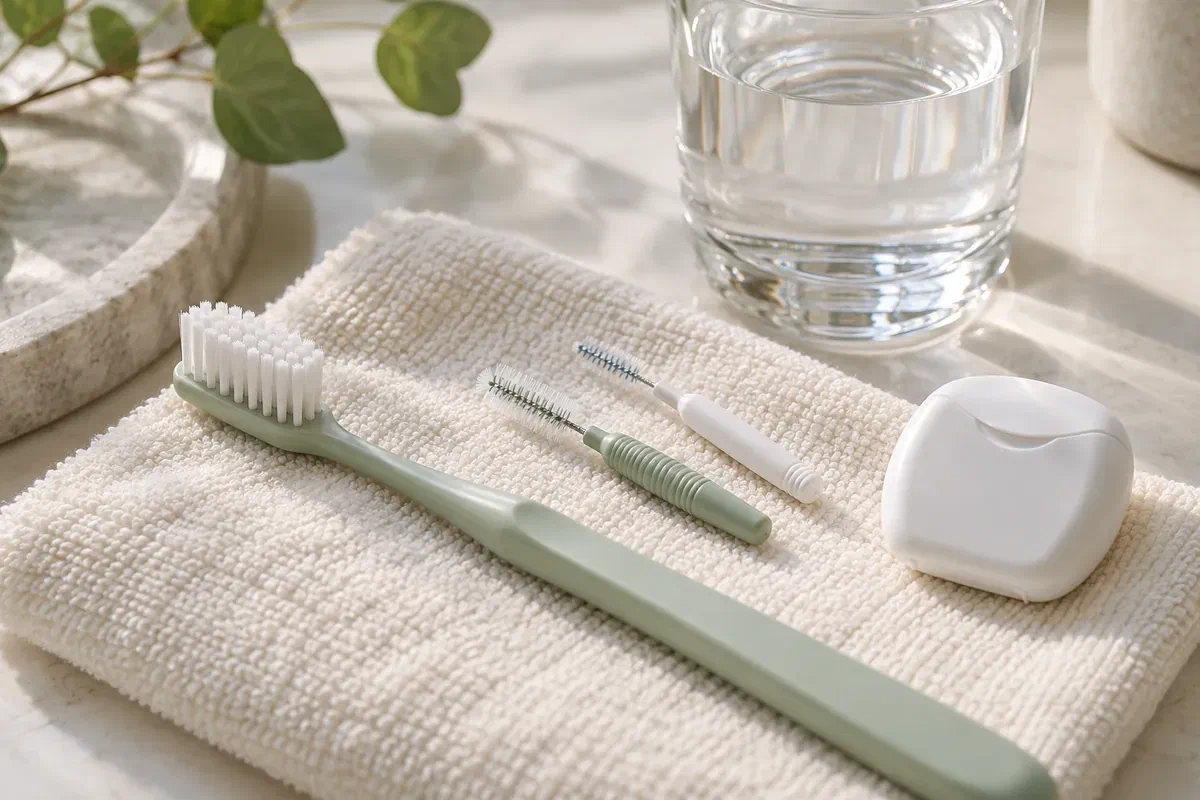
Illustrative toothbrush, interdental brushes, and floss container arranged for daily gum care
Helpful details for a fresh start

Fill us in, and we’ll fill in the gaps.

You don’t need a symptom to have something to tell us. Mention what has made cleaning harder, symptoms you’ve noticed, and changes in health or medicines, especially anything your previous office may not have recorded.

Bleeding, tenderness, or food trapping

Describe where you notice bleeding, soreness, or food catching, and whether the cleaning advice from your old office still feels manageable. This helps us get oriented. We also examine areas that feel fine, because comfort is only part of the story.

Health and routine since your last visit

Share relevant medical changes, current medicines, tobacco use, and any shift in daily life, such as a new job or caregiving. Practical issues like stiff fingers also matter. We use them to shape a realistic plan, not to judge.

Records, dates, and other providers

Tell us roughly when your gums were last charted, where, and whether a specialist is involved. If records are hard to obtain or it has been a while, a reassessment may be the sensible starting point before deciding on maintenance or further active treatment.

If you develop new swelling, pus, a loosening tooth, or significant pain while your care is being transferred, call promptly. Don’t let a change of office delay assessment of an urgent concern.

Why a proper handover matters

Continuity, even with a new team

Earlier records let us compare your current findings with what was seen before, so nothing restarts from zero. Ask which areas have held steady since your last office and which need attention now. That makes the first visit useful rather than a general clean with no context.

We also want your home routine to carry over well. Show us the tools your previous hygienist recommended and how you use them. Sometimes one adjustment, like a different brush size, helps more than a whole new kit, especially if your eyesight, grip, or schedule has changed.

Patient information: SDCEP — supportive periodontal care and individualized review

Linking old and new findings

Inflammation, bleeding, pocket readings, and other signs are reviewed against whatever history is available. Ask how today compares with your last charting. Earlier support loss remains relevant even if the gums look calm.

Cleaning planned from the exam

Professional care focuses on the deposits and areas identified at the visit. Feel free to ask about the purpose of each step. The work may differ from what your previous office did, because it follows current findings.

Keeping or adjusting your interval

Ask whether your previous recall timing still makes sense, and what might move it. Past disease, today’s readings, risks, and practical needs all count. The interval should reflect your gums today, not just habit or a benefits allowance.

Your first visits with us

Gather, assess, clean, and confirm

Mention sensitivity or nervousness before we begin. We can explain each part and stop when you need, so you know what we are looking for and how it shapes your care.

  1. Collect history and records

    We ask about your health, medicines, and previous gum treatment, and whether a specialist has been involved. With your consent, we can request records from your former office. Describe the routine you have kept and any new symptoms.

  2. Establish a current baseline

    The clinician examines your gums and records measurements and observations to compare with earlier charts. Ask what looks stable and what needs a closer look. Imaging is added if your history or findings call for it.

  3. Clean and review technique

    The cleaning is planned around what the new baseline revealed, and you can ask for a pause at any point if something feels sensitive. We can also check the tools and method your previous hygienist taught you and fine-tune them where needed. If active disease is found, further treatment is discussed as a separate step.

  4. Set roles and the next appointment

    Before you leave, we explain what the next visit will focus on and whether a referral or further treatment is needed. If a specialist is involved, ask which office is monitoring which teeth, so nothing is duplicated or missed.

Settling into a new routine

Keep what works, adjust what doesn’t.

Daily care and professional review are partners. Your home plan should be clear and repeatable, with tools that fit your own gaps, whether they came from your old office or our team.

Carry on with the technique that suits you

Continue the brushing and between-teeth approach that works, and check with us which brush sizes fit each space. Avoid forcing any tool into a gap. If something your previous office suggested has stopped working, bring it in so we can look at it.

Report changes rather than checking

Let us know about new bleeding, swelling, soreness, or food trapping. Avoid probing your gums yourself. A short description of what changed and when helps the team judge whether to see you earlier.

Stay connected during the switch

If work, money, health, or travel makes appointments tricky, call to discuss it. Try not to let the transfer turn into a long gap in care. A current assessment is always a good place to start.

Patient information: NIDCR — continuing care and daily cleaning for gum disease

After the first review

Where your care goes from the new baseline

Maintenance adapts to what we find. Ask what this visit means for your next appointment and whether any tooth needs more than routine support.

When your gums are stable

Continue maintenance with us

Once a baseline shows things are steady, supportive care can carry on here at a spacing suited to your history, backed by a home routine you can sustain. We will point out the teeth that deserve extra attention and explain how progress is judged. Ongoing care manages periodontitis but cannot ensure it won’t return.

When a site needs active treatment

Treat areas that have changed

Some teeth may need further cleaning or another course of care. Ask how that differs from maintenance and how results will be reviewed. Any recommendation should be explained through the current findings.

When findings are complex or persistent

Keep, or start, specialist care

If you already see a periodontist, we can coordinate with them; if not, a referral may be suggested. Agree on which visits happen where and how records travel, so the plan is easy to follow.

Patient information: American Academy of Periodontology — ongoing maintenance after nonsurgical treatment

Caledon questions about switching

Changing offices without losing ground

Bring past records, contact details for your former office, and your questions. Each visit should help you understand your findings and make the next step clear.

(905) 876-4488
How do I get my gum records sent from my old dentist?
With your consent, we can request them, or you can ask your previous office directly. Bring the office name and contact details to your first visit to speed things up.
What if my previous office can’t send my periodontal charts?
We can still help. A full assessment at your first visit creates a new baseline, and future visits are compared with that. Anything you remember, such as roughly when treatment happened and which areas were worked on, is still worth sharing.
Should I keep the same interval my last office used?
Not automatically. The clinician will review your findings and history and explain whether the existing interval still suits you. It may stay the same, move closer together, or stretch out over time as the results become clearer.
Can I keep seeing my periodontist while you handle maintenance?
Often, yes. We can coordinate with your specialist and agree on who is responsible for which visits and how records are shared.
Is the first maintenance visit with a new office longer?
It can be, because it includes gathering history and establishing a baseline. Ask when booking so you can plan your day, particularly if you are fitting the trip around work or other appointments.
Does periodontal maintenance cover the same things as a regular cleaning?
It goes further, with a review of previously treated areas and cleaning based on current needs. Ask what each visit includes so you know what to expect.
Caledon to our Milton office

Bring your history. We’ll take it from here.

Ring our Bronte Street practice on (905) 876-4488 to transfer your gum care or book a periodontal review. Have the name of your previous office and any recommendations ready, and we can help put the right maintenance arrangement in place.

Intervals, the cleaning required, further treatment, and specialist involvement all follow what the examination shows. Maintenance supports long-term management and cannot promise gum disease won’t return.

Visit Milton Dental Clinic
Unit 1, 342 Bronte St. S, Milton, ON L9T 5B7
Get directions Clinic hours
Monday–Thursday
11am–7pm
Friday–Sunday
By appointment only

Areas we serve

  • Milton
  • Oakville
  • Mississauga
  • Georgetown
  • Halton Hills
  • Acton
  • Campbellville
  • Brampton
  • Burlington
  • Puslinch
  • Rockwood
  • Erin
  • Caledon
  • Etobicoke
  • Old Milton
  • Bronte Meadows
  • Timberlea
  • Dorset Park
  • Dempsey
  • Clarke
  • Beaty
  • Coates
  • Harrison
  • Scott
  • Willmott
  • Ford
  • Bowes
  • Cobden
  • Walker
  • Mountain View
  • Milton Heights
  • Hawthorne Village
  • Valley View
  • Fallingbrook
  • Nassagaweya
  • Trafalgar
  • Esquesing
  • Nelson
  • Brookville
  • Moffat
  • Glen Williams
  • Norval
  • Limehouse
  • Stewarttown
  • Ashgrove
  • Hornby
  • Silver Creek
  • Speyside
  • Scotch Block
  • North Oakville
  • River Oaks
  • Glen Abbey
  • West Oak Trails
  • Palermo
  • Bronte Creek
  • College Park
  • Joshua Creek
  • Uptown Core
  • Preserve
  • Iroquois Ridge
  • Lisgar
  • Meadowvale
  • Meadowvale Village
  • Churchill Meadows
  • Erin Mills
  • Central Erin Mills
  • Streetsville
  • East Credit
  • Creditview
  • Heartland
  • Sheridan
  • Mount Pleasant
  • Credit Valley
  • Huttonville
  • Churchville
  • Springbrook
  • Northwest Brampton
  • Bram West
  • Fletcher's Meadow
  • Fletcher's Creek South
  • Alton Village
  • Orchard
  • Millcroft
  • Headon Forest
  • Tansley
  • Brant Hills
  • Tyandaga
  • Kilbride
  • Lowville
  • Aberfoyle
  • Morriston
  • Arkell
  • Hillsburgh
  • Freelton
  • Carlisle
  • Waterdown
  • Flamborough
  • Mountsberg

How can we help?

Milton Dental Clinic

Have a question about your smile? Choose the option that works best for you.

For urgent dental concerns, please call.
Messages are reviewed during clinic hours.