

Illustrative patient discussing recovery questions after a tooth extraction with a clinician
Specialized Care

Post-Extraction Care in Etobicoke

A longer trip makes it worth phoning before you set out. If you are recovering in Etobicoke, our team can hear your symptoms, go over your instructions, and help you decide whether advice by phone, a planned visit, or urgent care closer to home is the right next step.

Planning recovery from Etobicoke

Call before you drive.

Travelling from the west end of Toronto takes planning, so the most useful thing you can do with a healing question is pick up the phone first. A short conversation can sort out whether you need to be seen, whether advice is enough for now, or whether help closer to home makes more sense. The answer depends on your procedure and health.

Some aching, mild swelling, and slightly blood-tinged saliva are typical in the first days. The concern is a change in the wrong direction: pain that builds, bleeding that keeps returning, swelling that spreads. Those are reasons to call, and you do not need to name the problem first. Severe symptoms should never wait for the trip.

When you call from Etobicoke, mention when the tooth was removed, which office did it, and whether a graft or other procedure was part of the visit. If another provider performed the extraction, they hold the details and may be nearer to you. Where a review here makes sense, we can try to cover everything in one well-organised appointment.

Phone us before making the trip
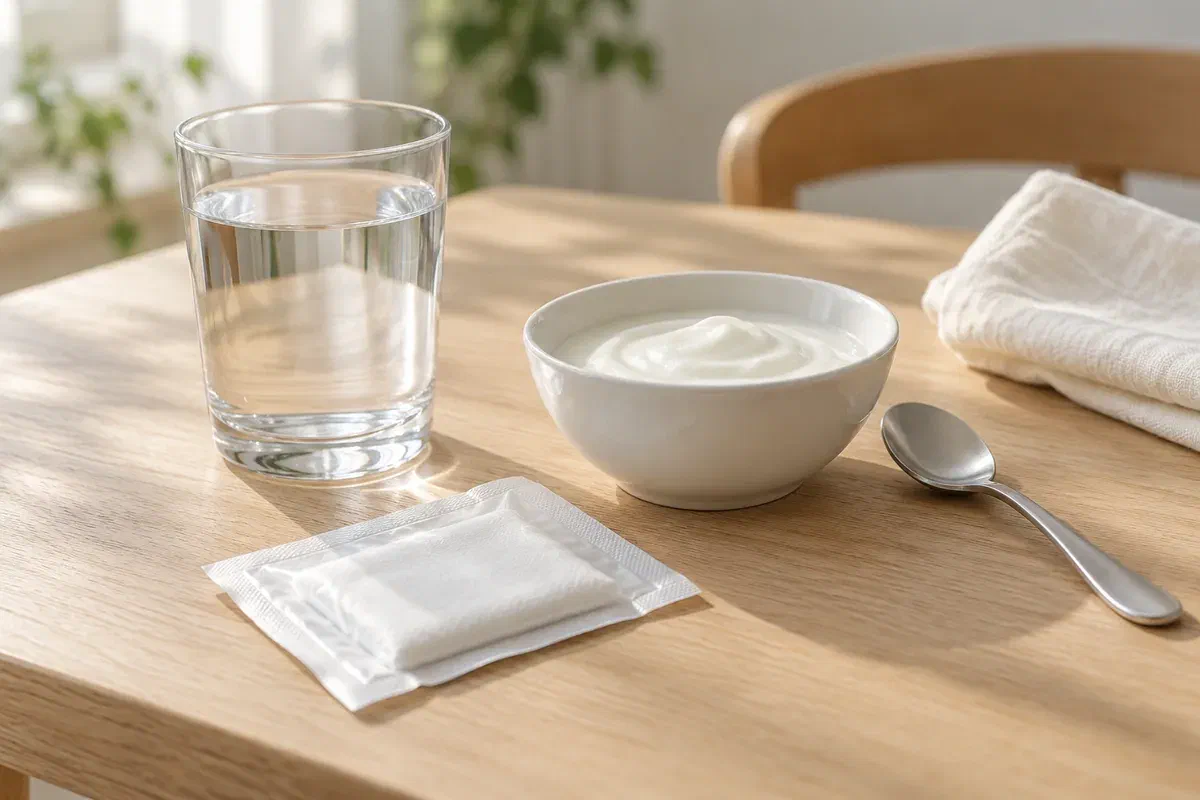
Illustrative recovery supplies with water, a soft-food bowl, and packaged gauze
What helps us triage by phone

The more specific you are, the better the advice from a distance.

Clear details let the team judge whether you should travel, wait, or get urgent help nearby. Never rely on a web form for a problem that needs attention now.

Bleeding that is ongoing or restarted

Explain whether you see pink streaks in saliva or fresh blood welling from the socket, and how long you have applied pressure. Keep using the technique from your own instructions. Continued bleeding needs professional input without delay, especially with a clotting medicine or if you feel unwell.

Pain or swelling on the rise

Describe when it started, whether it has increased each day, and whether it improved before coming back. Fever, a sour taste, and stiffness when opening are all worth mentioning. A phone description narrows things down, but only an examination confirms a dry socket, infection, or other cause.

Stitches, lingering numbness, or the socket’s appearance

Let the team know about a stitch that has come away, feeling that has not returned when expected, or an area that looks concerning. Avoid pulling the cheek back to inspect or touching the wound. Changes in sensation are worth reporting to the treating clinician promptly.

Do not make a long drive for an emergency. Bleeding that pressure cannot control, swelling spreading quickly, difficulty breathing or swallowing, or feeling very ill needs emergency medical care where you are. Call 911 for an immediate emergency.

Making a visit worthwhile

One well-planned review can answer several questions.

If you do travel in, the appointment should give you a proper answer. The clinician considers what was done during the extraction and how you have felt since, then explains whether the findings fit healing or call for treatment. Where there is genuine uncertainty, you should hear that, not a reassurance resting only on how many days have passed.

Bring every question at once so nothing needs another trip: eating, brushing, exercise, medicines, and what to watch for next. Ask for instructions in writing and a number you can call from home. That matters even more when one office removed the tooth and another is reviewing it.

An examination focused on your concern

As needed, the clinician examines the socket and surrounding tissues with the original procedure in mind. Ask what the findings mean and whether the treating office should be contacted. You may leave with reassurance, treatment at the site, or a referral nearer home.

Pain relief advice you can use at home

List what you have taken and how well it helped. Ask what suits your health and current prescriptions. Keep within recommended doses, check ingredient labels before combining products, and avoid leftover antibiotics for an undiagnosed problem.

Follow-up arranged to limit trips

Ask whether you will need stitches removed, a dressing changed, a healing check, or later planning for a replacement tooth, and whether any of this can be grouped together. Confirm what should prompt an earlier call and who to contact after hours.

How we handle a call from a distance

Triage first, travel only when it is worth it.

Explain what you have noticed in everyday words. Tell us how it has changed and what you have tried, and the team will help you decide what to do next.

  1. Describe the procedure and timeline

    Share the date, the office involved, and any graft, implant, or other treatment done at the same time. Mention your medicines and relevant health conditions, along with the instructions you received. Explain what feels different from the recovery you were told to expect.

  2. Decide between waiting, travelling, or urgent care

    The team considers bleeding, swelling, pain, your general health, and anything else you report. You might be offered a visit, given advice to follow, or directed to urgent care nearby. If things change while you wait, phone again.

  3. Examine and discuss care during one visit

    When you come in, the clinician reviews the relevant findings and explains the likely cause or what remains uncertain. Some problems are treated at the socket, others need adjusted advice or more investigation. Ask what each proposed step is for.

  4. Leave with a plan for home

    Before you go, confirm what changes in your routine and what stays as originally planned. Ask when a return visit is needed and how to report worsening symptoms from home. If another provider still oversees your care, check what will be shared.

Looking after the site between visits

Careful habits at home mean fewer surprises.

Your treating clinician’s instructions remain the main guide, particularly after a surgical extraction or added procedure. When something is unclear, call and ask instead of combining routines from several sources.

Leave the socket untouched at first

Common advice is no rinsing, spitting, or touching the area for the first day. Watch that you do not bite a numb lip or tongue, and avoid hot drinks and food until feeling comes back. Follow any procedure-specific precautions as well.

Ease into eating and cleaning

Choose soft foods early and follow your instructions for brushing nearby teeth and starting gentle rinses. Keep your tongue and toothbrush away from the socket itself. Ask about vaping, smoking, and exercise, as each extraction heals on its own schedule.

Know your bleeding plan before you need it

Keep gauze at home and know the pressure steps you were taught. If bleeding does not settle, call for advice. Do not keep lifting the pad to check. A prescribed anticoagulant or antiplatelet medicine should only be changed by the clinician who manages it.

Patient information: UCLH — dental extraction aftercare · Royal Devon — post-extraction bleeding and anticoagulant precautions

Possible outcomes

From phone advice to a referral, depending on what is found.

Ask why a recommendation suits your symptoms and examination. Socket pain does not automatically mean infection, and recovery questions have different answers.

When healing looks to be on track

Updated instructions and a review plan

The team may explain what to expect and suggest changes to your routine. Ask what improvement should look like and which change means calling back. Reassurance should rest on an examination and a plan, not a promised date for feeling better.

When the extraction site needs care

Treatment at the socket

A dry socket may be cleaned and dressed by the clinician to relieve symptoms. It is distinct from infection and does not automatically need antibiotics. Ask what the treatment can achieve and whether a recheck is needed. Do not place oils, tablets, or homemade packing in the socket.

When distance or severity changes the plan

Care closer to home or emergency help

Persistent bleeding, signs of infection, altered feeling, or another complication may be best handled by the surgical team that treated you or another suitable provider nearer to you. Serious warning signs need immediate local emergency care.

Patient information: East Sussex Healthcare — dry socket and symptom management

Etobicoke recovery questions

Deciding whether to travel in.

Phone the treating team when you are unsure or something changes. Your health and the procedure influence the advice, especially when medicines or extra procedures are involved.

(905) 876-4488
Should I drive in or go somewhere closer if my socket starts hurting badly?
Call first and describe your symptoms. The team can advise whether a visit here makes sense or whether nearby urgent care would be better. For severe swelling, uncontrolled bleeding, or trouble breathing, seek emergency care where you are.
Can stitch removal and a healing check happen at the same appointment?
Often they can be combined, but it depends on the procedure and how healing looks. Ask when booking so the visit can be planned to cover both if appropriate.
Is it safe to drive myself home after the freezing has worn off?
Follow the advice you were given for your procedure. Sedation and some medicines can affect whether it is safe to drive, so arrange a driver if you were sedated or told not to drive, and ask the treating office if you are unsure.
What should I keep at home in case bleeding starts again?
Keep clean gauze or the supplies recommended in your instructions, and know the pressure steps. Call for advice if bleeding persists, and seek emergency care if it is heavy and will not stop.
Does pain worsening after a few days always mean the site is infected?
No. Dry socket and other causes are possible, and an examination is needed to tell. Describe the timeline and other symptoms, and do not start leftover antibiotics.
Can I rely on how the socket looks to decide whether to come in?
Appearance alone does not show whether healing is on track. Describe your symptoms and how they are changing instead, and let the team guide whether you need an examination.
Etobicoke extraction aftercare

Phone first, and we will help you plan the visit.

Call (905) 876-4488 to reach our Bronte Street practice and discuss your recovery and whether an assessment would help. Please have the extraction date, treating office, aftercare instructions, and medicine details ready so the team can advise before you travel.

Recovery and follow-up needs vary with the procedure and health history. Use online forms for non-urgent questions only; call about worsening symptoms and get emergency medical care nearby for serious warning signs.

Visit Milton Dental Clinic
Unit 1, 342 Bronte St. S, Milton, ON L9T 5B7
Get directions Clinic hours
Monday–Thursday
11am–7pm
Friday–Sunday
By appointment only

Areas we serve

  • Milton
  • Oakville
  • Mississauga
  • Georgetown
  • Halton Hills
  • Acton
  • Campbellville
  • Brampton
  • Burlington
  • Puslinch
  • Rockwood
  • Erin
  • Caledon
  • Etobicoke
  • Old Milton
  • Bronte Meadows
  • Timberlea
  • Dorset Park
  • Dempsey
  • Clarke
  • Beaty
  • Coates
  • Harrison
  • Scott
  • Willmott
  • Ford
  • Bowes
  • Cobden
  • Walker
  • Mountain View
  • Milton Heights
  • Hawthorne Village
  • Valley View
  • Fallingbrook
  • Nassagaweya
  • Trafalgar
  • Esquesing
  • Nelson
  • Brookville
  • Moffat
  • Glen Williams
  • Norval
  • Limehouse
  • Stewarttown
  • Ashgrove
  • Hornby
  • Silver Creek
  • Speyside
  • Scotch Block
  • North Oakville
  • River Oaks
  • Glen Abbey
  • West Oak Trails
  • Palermo
  • Bronte Creek
  • College Park
  • Joshua Creek
  • Uptown Core
  • Preserve
  • Iroquois Ridge
  • Lisgar
  • Meadowvale
  • Meadowvale Village
  • Churchill Meadows
  • Erin Mills
  • Central Erin Mills
  • Streetsville
  • East Credit
  • Creditview
  • Heartland
  • Sheridan
  • Mount Pleasant
  • Credit Valley
  • Huttonville
  • Churchville
  • Springbrook
  • Northwest Brampton
  • Bram West
  • Fletcher's Meadow
  • Fletcher's Creek South
  • Alton Village
  • Orchard
  • Millcroft
  • Headon Forest
  • Tansley
  • Brant Hills
  • Tyandaga
  • Kilbride
  • Lowville
  • Aberfoyle
  • Morriston
  • Arkell
  • Hillsburgh
  • Freelton
  • Carlisle
  • Waterdown
  • Flamborough
  • Mountsberg

How can we help?

Milton Dental Clinic

Have a question about your smile? Choose the option that works best for you.

For urgent dental concerns, please call.
Messages are reviewed during clinic hours.