

Illustrative patient discussing recovery questions after a tooth extraction with a clinician
Specialized Care

Post-Extraction Care in Georgetown

Lost the instruction sheet, or never quite understood it? From Georgetown, you can call our team to piece together what applies to your extraction, describe how the socket feels, and work out whether reassurance, an examination, or further treatment is the right path.

For Georgetown households

The aftercare sheet went missing. Now what?

Instructions given while you are numb and tired do not always stick, and the paper copy tends to vanish by the second day. A quick search online turns up dozens of routines that disagree. The right one is the one built for your procedure, your health, and anything extra done at the same appointment, like a graft or stitches.

Soreness, mild swelling, and a trace of blood in the saliva are usual early on. Of more concern is a symptom that is building, will not settle, or does not seem to fit what you remember being told. Call about it. It is perfectly reasonable to ring without knowing whether it is normal.

Your first step from Georgetown is usually to contact the office that removed the tooth, since they can resend the instructions written for you. If that was us, or you cannot reach them, phone our Bronte Street practice with the date of the extraction and any details you recall. We can explain what a local review would involve.

Ask us to go over your instructions
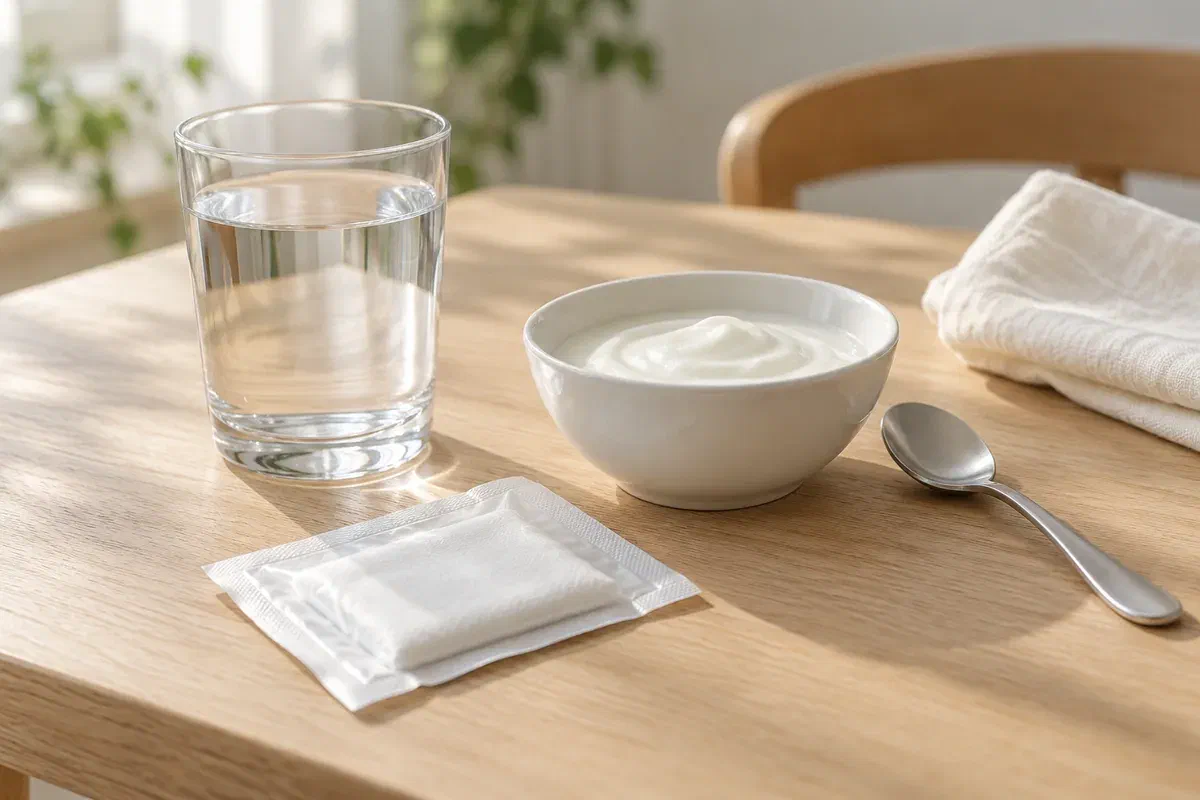
Illustrative recovery supplies with water, a soft-food bowl, and packaged gauze
Things to mention when you call

Bleeding, pain, and the socket: three things to describe clearly.

The team can judge urgency better with a clear account of what is happening. Please phone rather than use an online form when something needs attention soon.

Bleeding that persists or starts again

Describe whether there is a pink tinge to your saliva or fresh blood from the socket, and how you have applied pressure. If you have lost your instructions, ask for the correct method rather than guessing. Ongoing bleeding needs advice, especially with clotting medicines or if you feel unwell.

Pain or swelling that turns worse

Pin down the day the ache started, how it has moved since, and whether there was a quiet spell before it returned. Fever, a nasty taste, or a mouth that will not open far are useful clues. They point the team in a direction; telling a dry socket from an infection still takes an examination.

Stitches, feeling, or the look of the site

Tell the team about a stitch you were not sure was there, a patch that still feels numb, or a socket that looks concerning. Avoid pulling at the gum or inspecting with fingers. Numbness lasting longer than expected, or changing, should be reported to the treating clinician.

A missing sheet should never delay emergency help. Firm pressure failing to stop bleeding, fast-moving swelling, struggling to breathe or swallow, or feeling gravely ill all need emergency medical care. Dial 911 in an immediate emergency.

Why a review clears things up

Advice that fits your procedure, not someone else’s.

Generic aftercare can miss the details that matter for you. A review starts with what was actually done and how you have felt since, so the clinician can tell you whether the findings fit normal healing or need attention. When an examination leaves questions open, you deserve to hear that, rather than comfort based on the number of days alone.

It is a chance to rebuild the instructions you lost or never fully heard. Ask about eating, cleaning, activity, and which pain relievers suit you, and request the advice in writing this time. A clear contact number helps too, particularly if one office did the extraction and another is following up.

A look at the specific problem

If an examination is called for, the clinician checks the socket and the gum and teeth beside it, bearing the original removal in mind. You can ask what each finding accounts for and whether the first office’s records would fill a gap. Some visits end in reassurance; others lead to treatment or an onward referral.

Safe guidance on easing discomfort

List the medicines you have tried and how they worked. Ask which are suitable with your health and prescriptions. Do not go beyond recommended doses, check labels before combining products, and avoid using antibiotics left over from another time.

Instructions you can keep this time

Ask for the next steps on paper, including whether stitches come out, a dressing gets changed, or a later talk about filling the gap is planned. Note which changes should send you back sooner and the number to use when the clinic is closed.

What the team will do

Piece together the procedure, then decide on the next step.

Forget the medical vocabulary. Tell the team what feels wrong, when it shifted, and what you have done about it so far. That is enough to get started.

  1. Recall the extraction details

    Share the date, the office that did it, and whether you remember a graft, stitches, or other treatment. Mention your medicines and health conditions, and whatever you recall of the instructions. Explain what seems to have gone differently than expected.

  2. Work out how urgent it is

    The team considers bleeding, swelling, pain, your general health, and other symptoms. You may be offered an appointment or directed to urgent care. If you get worse while waiting, call back rather than assuming the first timing still applies.

  3. Examine and talk about the cause

    After examining the area, the clinician tells you what most likely explains your symptoms, or says plainly what is still unknown. Treatment might be done at the socket, or the answer could be new instructions or a further test. It is fair to ask whether a suggested step fixes the cause or simply makes you more comfortable.

  4. Leave with written home care

    Before you go, confirm what to do now, what to avoid, and when to come back. Ask how a symptom that worsens should be reported. If another office is still responsible for your recovery, check what information will be shared with them.

Getting home care right

Simple steps that suit most sockets, adjusted for yours.

Instructions from the clinician who treated you take priority, particularly after a surgical extraction or added procedure. If you cannot find them, ask for a copy instead of piecing together a routine from search results.

Protect the clot while numb

Most first-day advice comes down to leaving the area alone: no swishing, no spitting, no fingers. A numb lip or tongue is easy to chew by accident, and a hot drink can scald before you feel it, so wait for sensation to come back. Your own procedure may add further precautions.

Return to normal eating gradually

Stick with soft foods at first and confirm when to start brushing nearby teeth and gentle rinsing. Keep your tongue from wandering into the gap, and never scrape at it. Smoking, vaping, and workouts each have their own timing, so ask rather than borrowing someone else’s schedule.

Bleeding steps and medicine rules

Should the site bleed, bite on gauze with steady pressure in the way your instructions describe, and phone if it keeps going. Peeking under the pad every few minutes tends to undo the effort. Blood thinners and antiplatelet medicines stay as prescribed unless the prescriber tells you otherwise.

Patient information: UCLH — dental extraction aftercare · Royal Devon — post-extraction bleeding and anticoagulant precautions

Where things go from here

Your examination decides the response.

Ask why a recommendation fits your symptoms and findings. Pain at an extraction site is not automatically infection, and recovery questions are not all solved with the same medicine or procedure.

When healing seems to be progressing

Clear instructions and a follow-up point

You may hear what the next few days should bring and get a few tweaks to your home routine. Find out what steady progress feels like and what would be a reason to ring back. Comfort from the team should be grounded in the examination, never a deadline for feeling normal.

When the site needs clinical care

Treatment for a socket problem

When dry socket is the finding, gentle cleaning and a medicated dressing placed in the clinic can help settle symptoms. Infection is a separate problem, so antibiotics are not a given. Ask what the treatment will do and whether a return visit is planned, and keep oils, pills, and homemade packing well away from the socket.

When a different level of care is required

Further assessment elsewhere

Some findings, such as bleeding that keeps returning, a possible infection, or numbness that has not lifted, are better handled by the surgeon who did the work or by another provider. Ask who is making that referral. If you become seriously unwell, emergency care comes first.

Patient information: East Sussex Healthcare — dry socket and symptom management

Georgetown recovery questions

When the instructions are missing or confusing.

Reach out to the treating team whenever you are unsure or symptoms shift. The details of the extraction and your health affect the advice, especially when medicines or extra procedures are involved.

(905) 876-4488
I lost my aftercare sheet. Can the clinic send another copy?
Contact the office that performed the extraction, since they can provide the instructions written for your procedure. If that was our clinic, call and we can go over the advice with you.
Online advice says opposite things about rinsing. Which should I follow?
Follow the guidance from your treating clinician. Rinsing advice often depends on timing and the procedure performed. If you are unsure, ask rather than choosing between conflicting websites.
How long should I keep eating soft food?
It depends on the extraction and how healing is going. Many people start with soft foods and gradually return to their usual diet, but follow your clinician’s advice and ask if chewing on that side still hurts.
Can I use salt water if my instructions did not mention it?
Ask the treating office first. Some instructions include gentle warm salt-water rinses after the first day, while others have specific advice for grafts or surgery. Avoid vigorous rinsing early on.
Should I check the socket with a mirror to see if it is healing?
Looking at the socket does not reliably show whether recovery is on track. Describe your symptoms and how they change instead, and avoid pulling your cheek or probing the area.
If pain worsens several days later, do I need antibiotics?
Not necessarily. Worsening pain can come from dry socket or other causes, and an examination is needed. Do not start leftover antibiotics; describe the timeline and symptoms to the team.
Georgetown post-extraction care

Call with whatever you remember about the procedure.

Phone (905) 876-4488 to reach our Bronte Street practice about a recovery concern and assessment availability. The extraction date, treating office, any paperwork you still have, and your medicine list will help the team understand the situation.

Each procedure and health history shapes healing and follow-up. Online forms are only for non-urgent enquiries; please phone about worsening symptoms and get emergency help for severe warning signs.

Visit Milton Dental Clinic
Unit 1, 342 Bronte St. S, Milton, ON L9T 5B7
Get directions Clinic hours
Monday–Thursday
11am–7pm
Friday–Sunday
By appointment only

Areas we serve

  • Milton
  • Oakville
  • Mississauga
  • Georgetown
  • Halton Hills
  • Acton
  • Campbellville
  • Brampton
  • Burlington
  • Puslinch
  • Rockwood
  • Erin
  • Caledon
  • Etobicoke
  • Old Milton
  • Bronte Meadows
  • Timberlea
  • Dorset Park
  • Dempsey
  • Clarke
  • Beaty
  • Coates
  • Harrison
  • Scott
  • Willmott
  • Ford
  • Bowes
  • Cobden
  • Walker
  • Mountain View
  • Milton Heights
  • Hawthorne Village
  • Valley View
  • Fallingbrook
  • Nassagaweya
  • Trafalgar
  • Esquesing
  • Nelson
  • Brookville
  • Moffat
  • Glen Williams
  • Norval
  • Limehouse
  • Stewarttown
  • Ashgrove
  • Hornby
  • Silver Creek
  • Speyside
  • Scotch Block
  • North Oakville
  • River Oaks
  • Glen Abbey
  • West Oak Trails
  • Palermo
  • Bronte Creek
  • College Park
  • Joshua Creek
  • Uptown Core
  • Preserve
  • Iroquois Ridge
  • Lisgar
  • Meadowvale
  • Meadowvale Village
  • Churchill Meadows
  • Erin Mills
  • Central Erin Mills
  • Streetsville
  • East Credit
  • Creditview
  • Heartland
  • Sheridan
  • Mount Pleasant
  • Credit Valley
  • Huttonville
  • Churchville
  • Springbrook
  • Northwest Brampton
  • Bram West
  • Fletcher's Meadow
  • Fletcher's Creek South
  • Alton Village
  • Orchard
  • Millcroft
  • Headon Forest
  • Tansley
  • Brant Hills
  • Tyandaga
  • Kilbride
  • Lowville
  • Aberfoyle
  • Morriston
  • Arkell
  • Hillsburgh
  • Freelton
  • Carlisle
  • Waterdown
  • Flamborough
  • Mountsberg

How can we help?

Milton Dental Clinic

Have a question about your smile? Choose the option that works best for you.

For urgent dental concerns, please call.
Messages are reviewed during clinic hours.