

Illustrative patient discussing a concern after dental surgery with a clinician
Specialized Care

Post-Operative Dental Concerns in Brampton

Looking after a teenager, partner or parent who has just had oral surgery brings its own worries. From Brampton, you can call on their behalf, explain the procedure and what you are seeing, and talk through how urgent it seems.

For carers in Brampton

You are the one watching. You are allowed to ask.

The person who had the surgery may be sleepy, sore or simply not keen to talk. That often leaves a family member reading the aftercare sheet, counting tablets and deciding whether a puffy cheek looks right. When you are unsure, a phone call to a clinician is a sensible move, with the patient's permission where they are able to give it.

Be ready to say which operation it was. An extraction, a gum graft, implant surgery and a biopsy all heal differently, and the same sign can be read differently after each. Then describe the trend: is the problem fading, steady, or worse again after a better day? Days since the procedure help, but they are no reason to brush off something severe.

You can call us to discuss the concern and ask about assessment times. If a surgeon or another clinic carried out the procedure, contact that team too and have their written instructions to hand. They know the details and may change the advice or want to see the patient themselves.

Call about someone's recovery
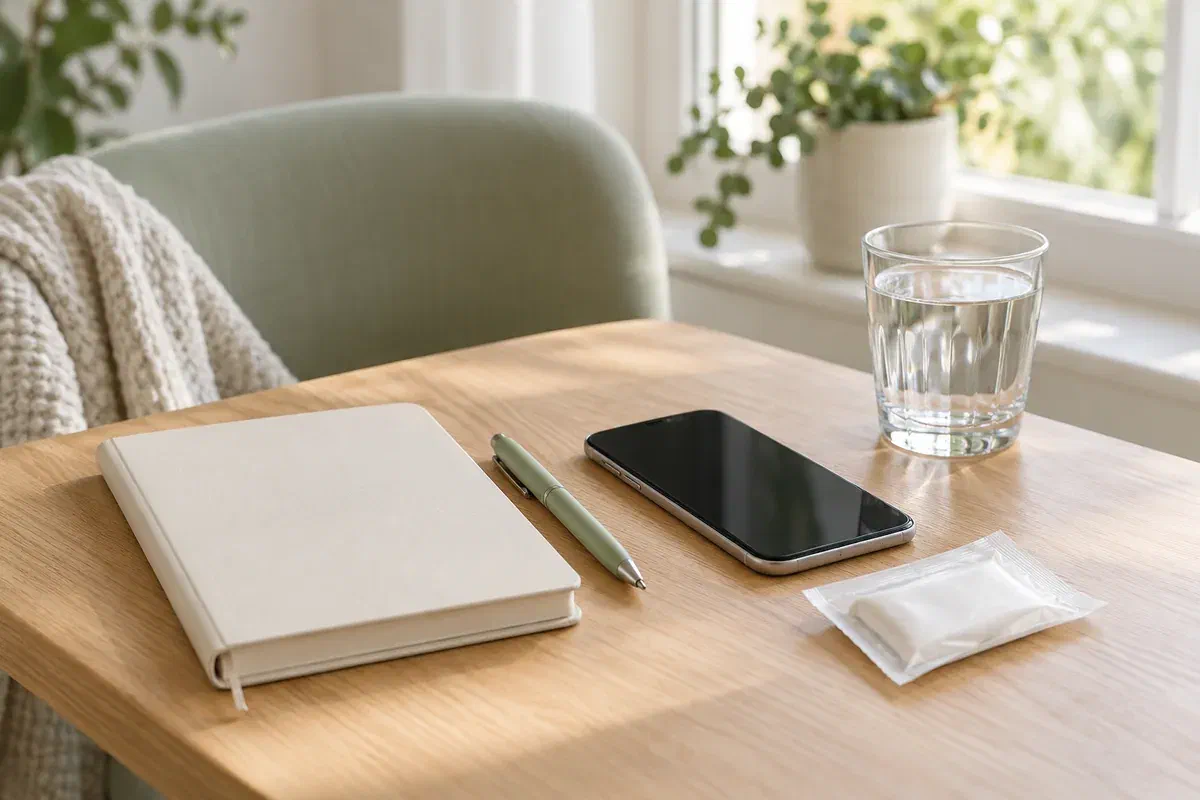
Illustrative follow-up notebook and phone beside water and packaged gauze
What to look for and pass on

Notice these, then tell us plainly.

Phone rather than email or use a form when something could need prompt attention. Lead with anything serious, so the person you speak to can weigh urgency straight away.

Pain, swelling, bleeding or seeming unwell

Say whether symptoms are increasing and whether there is fever, trouble opening the mouth or difficulty drinking enough. Describe true bleeding separately from saliva that is lightly stained. Do not wait for a booked follow-up if the situation changes a lot.

Numbness, a sharp spot or a worrying wound

Pass on any complaint of numbness or tingling, a sharp area or a change in the wound, with when it began and what the surgeon said to expect. If a stitch or dressing has come loose, describe it instead of pulling at it. From there the clinician can work out whether to advise you, examine the area, or bring in the surgical team.

Confusing medicine schedules or a possible reaction

Keep a list of every dose given and the times. Report a rash, vomiting, unusual drowsiness or anything that might be a reaction. Avoid changing amounts, mixing medicines or using a prescription meant for another family member while you wait for advice.

If the person has heavy bleeding that will not stop, swelling that is spreading quickly, trouble breathing or swallowing, a severe allergic reaction, or cannot be woken normally after sedation, call 911 immediately. Do not wait for a dental office to call back.

How a review helps the whole household

Clear answers you can share with everyone involved

A review aims to tell you whether what you have noticed fits expected healing, needs treatment, or calls for more information first. As a carer, you can ask what the clinician found, how sure they are and what is still unknown. If the surgeon's records or input are needed, find out who will request them and what to do meanwhile.

Several tasks can blur together when one person is managing another's recovery: wound care, medicine timing, stitches, school or work notes and a pending lab result. Each may belong to a different provider. Ask who is responsible for which, so a mouth that finally seems comfortable does not cause a result or a planned treatment stage to be forgotten.

A focused look at the concern

The clinician examines the relevant area and relates the findings to the operation. Ask whether the problem seems limited to the wound or needs a wider check. A photo you took can help, but it cannot replace an examination when significant questions remain.

Instructions everyone at home can follow

If different people have been giving different advice, bring the written sheet and explain the confusion. Precautions vary between procedures, and the treating team can confirm the intended routine so the household is not juggling generic tips.

A clear point at which to call back

Ask what improvement should look like, which changes mean phoning again and whether a visit is arranged. Write down how to reach help outside office hours. It is much easier to share a specific threshold with others than a vague instruction to keep watch.

What happens after you call

We start with the procedure and finish with a plan you can share.

You do not need the technical name of the surgery. The date, the provider and a clear description are enough to start. Bring the aftercare sheet, any records and the medicine packaging.

  1. Confirm the operation and what has changed

    Tell us where the surgery was, whether a graft or implant was involved and whether sedation was used. Describe when the symptom began and how it has developed. We ask about health conditions, medicines and anything already tried at home.

  2. Decide how quickly the person should be seen

    The team looks at severity and associated symptoms rather than counting days alone. Follow the recommended timing and report any deterioration while waiting. If serious warning signs appear, seek emergency care rather than waiting for a dental opening.

  3. Examine and explain

    The clinician checks the tissues or treated area and may need records or further tests. Ask whether a specific problem was identified and what would treat it. The plan should separate easing discomfort from dealing with a confirmed cause.

  4. Agree on follow-up and who contacts whom

    Go over changes to aftercare, any treatment and the reason for the next review. If the original surgeon or a specialist should be involved, settle who will reach them. A written summary makes it easier for everyone helping at home to stay on the same page.

Caring at home while you wait

Steady hands, no improvising

Keep following the instructions for that specific procedure unless the treating clinician changes them. If something is unclear or hard to manage, ask rather than adapting the routine around a fresh surgical site.

Leave the healing area alone

Do not remove stitches, lift dressings or pull the cheek back to look at a graft, and gently discourage the patient from doing so. Call about anything that seems loose. Advice that fits a simple extraction may not suit a more involved wound.

Respect sedation and medicine rules

Ask about a possible reaction or a confusing prescription before changing anything. After sedation, follow the instructions about supervision and transport closely. Someone who seems more alert should not automatically drive, return to work or look after others until it is clearly appropriate.

Keep a simple record

A notepad by the bed with times of doses and any change in symptoms is enough. Bring it to the review. You do not need to keep checking whether the wound bleeds or disturb it for photos; what you have seen can be described.

Patient information: Guy's and St Thomas' — procedure-specific gum-surgery recovery and review · Guy's and St Thomas' — protecting a gum graft during recovery

Possible next steps

Sometimes it is reassurance. Sometimes it is treatment or a referral.

Ask why a response suits the findings and what would change the plan. Neither comforting words nor a new prescription should be automatic just because the problem followed dental surgery.

When recovery seems on course

Practical aftercare and a review date

The clinician may explain expected changes and answer questions about food, cleaning, rest or stitches. Ask what to keep an eye on and when to return. Reassurance is most useful when it comes with practical steps the household can follow.

When the exam points to a local problem

Treatment aimed at what was found

A dressing review, local care or another procedure may be suitable, depending on the diagnosis. Ask what it should achieve and whether more care is likely. Any prescription should match the diagnosis and the patient's health rather than being routine for every sore mouth.

When complexity or severity points elsewhere

The original surgeon or urgent care

Grafts, implants, ongoing altered sensation and other complex concerns may need the treating surgeon's assessment. Serious symptoms may need immediate medical care. Ask about urgency and the referral route so you leave with a firm arrangement.

Carers' questions

When it is someone else's recovery on your mind

Answers depend on the operation and on the symptoms you are seeing. Follow the treating provider's instructions, and phone about anything getting worse or that cannot reasonably wait.

(905) 876-4488
Can I call on behalf of my teenager or an older parent after their surgery?
Yes. It helps if the patient is with you or has agreed to the call, and if you have the procedure details and instructions to hand. The team can listen, ask questions and advise on urgency and assessment times.
How do I know if someone is too drowsy after sedation?
Follow the supervision instructions from the provider who sedated them. If the person is unusually difficult to wake, confused in a way that worries you, or breathing oddly, call 911 straight away rather than a dental office.
My child isn't eating much after a tooth was removed. When should I worry?
Call if they are struggling to drink enough, seem unwell, have a fever or have increasing pain or swelling. Describe what they have managed to eat and drink. The team can advise whether an examination is needed and what soft options suit the procedure.
Should I bring the person to Milton from Brampton, or call first?
Call first. Describing the situation lets the team advise on urgency and what times are available. If there are emergency warning signs, call 911 rather than driving anyone.
Is it all right to give children's pain medicine alongside the surgeon's prescription?
Check with the prescriber or a pharmacist before combining anything. Doses and safe combinations depend on age, weight, health and the exact products. Avoid guessing or using leftover medicine from another family member.
What should I write down while I'm looking after someone after surgery?
Note the times of medicines given, how much they ate and drank, and when any symptom changed. Bring the notes to a review or have them by the phone when you call. Keep it brief; a few lines a day is plenty.
Post-surgery support for Brampton households

Call us with what you have seen at home.

Reach our Bronte Street practice on (905) 876-4488 to describe the change and ask about assessment availability. If someone else performed the operation, contact them as well and bring their instructions so any follow-up reflects the original procedure.

Our advice and timing depend on the procedure, the symptoms and the patient's medical history. Online forms are for non-urgent questions only and should never delay emergency care.

Visit Milton Dental Clinic
Unit 1, 342 Bronte St. S, Milton, ON L9T 5B7
Get directions Clinic hours
Monday–Thursday
11am–7pm
Friday–Sunday
By appointment only

Areas we serve

  • Milton
  • Oakville
  • Mississauga
  • Georgetown
  • Halton Hills
  • Acton
  • Campbellville
  • Brampton
  • Burlington
  • Puslinch
  • Rockwood
  • Erin
  • Caledon
  • Etobicoke
  • Old Milton
  • Bronte Meadows
  • Timberlea
  • Dorset Park
  • Dempsey
  • Clarke
  • Beaty
  • Coates
  • Harrison
  • Scott
  • Willmott
  • Ford
  • Bowes
  • Cobden
  • Walker
  • Mountain View
  • Milton Heights
  • Hawthorne Village
  • Valley View
  • Fallingbrook
  • Nassagaweya
  • Trafalgar
  • Esquesing
  • Nelson
  • Brookville
  • Moffat
  • Glen Williams
  • Norval
  • Limehouse
  • Stewarttown
  • Ashgrove
  • Hornby
  • Silver Creek
  • Speyside
  • Scotch Block
  • North Oakville
  • River Oaks
  • Glen Abbey
  • West Oak Trails
  • Palermo
  • Bronte Creek
  • College Park
  • Joshua Creek
  • Uptown Core
  • Preserve
  • Iroquois Ridge
  • Lisgar
  • Meadowvale
  • Meadowvale Village
  • Churchill Meadows
  • Erin Mills
  • Central Erin Mills
  • Streetsville
  • East Credit
  • Creditview
  • Heartland
  • Sheridan
  • Mount Pleasant
  • Credit Valley
  • Huttonville
  • Churchville
  • Springbrook
  • Northwest Brampton
  • Bram West
  • Fletcher's Meadow
  • Fletcher's Creek South
  • Alton Village
  • Orchard
  • Millcroft
  • Headon Forest
  • Tansley
  • Brant Hills
  • Tyandaga
  • Kilbride
  • Lowville
  • Aberfoyle
  • Morriston
  • Arkell
  • Hillsburgh
  • Freelton
  • Carlisle
  • Waterdown
  • Flamborough
  • Mountsberg

How can we help?

Milton Dental Clinic

Have a question about your smile? Choose the option that works best for you.

For urgent dental concerns, please call.
Messages are reviewed during clinic hours.