

Illustrative conversation about preparing the mouth for a dental prosthesis
Specialized Care

Pre-Prosthetic Oral Surgery

Preparing for a denture or another tooth replacement starts with the tissues that will support it. Discuss pre-prosthetic oral surgery in Milton, why it may be considered, and how assessment, healing, and the final restoration fit together.

A closer look at pre-prosthetic oral surgery

Plan the foundation with the final tooth replacement in mind.

Pre-prosthetic oral surgery describes selected procedures considered before a denture or another dental prosthesis is made. The aim is to address a specific feature of the supporting bone or soft tissues that would otherwise interfere with the planned restoration. It is not a routine requirement for everyone replacing missing teeth.

A sore or unstable denture does not automatically mean you need surgery. The appliance itself, the bite, the condition of the tissues, and the design of the replacement all need review. The important question is what is causing the difficulty and whether a surgical change offers an advantage over adjustment or a different restorative approach.

At Milton Dental Clinic, bring your existing denture and any treatment plan from another provider. We can discuss assessment, the intended replacement, and whether coordination with a surgeon or the clinician making the prosthesis is appropriate. You should understand the purpose of each stage before committing to a sequence of treatment.

Discuss preparation for your tooth replacement
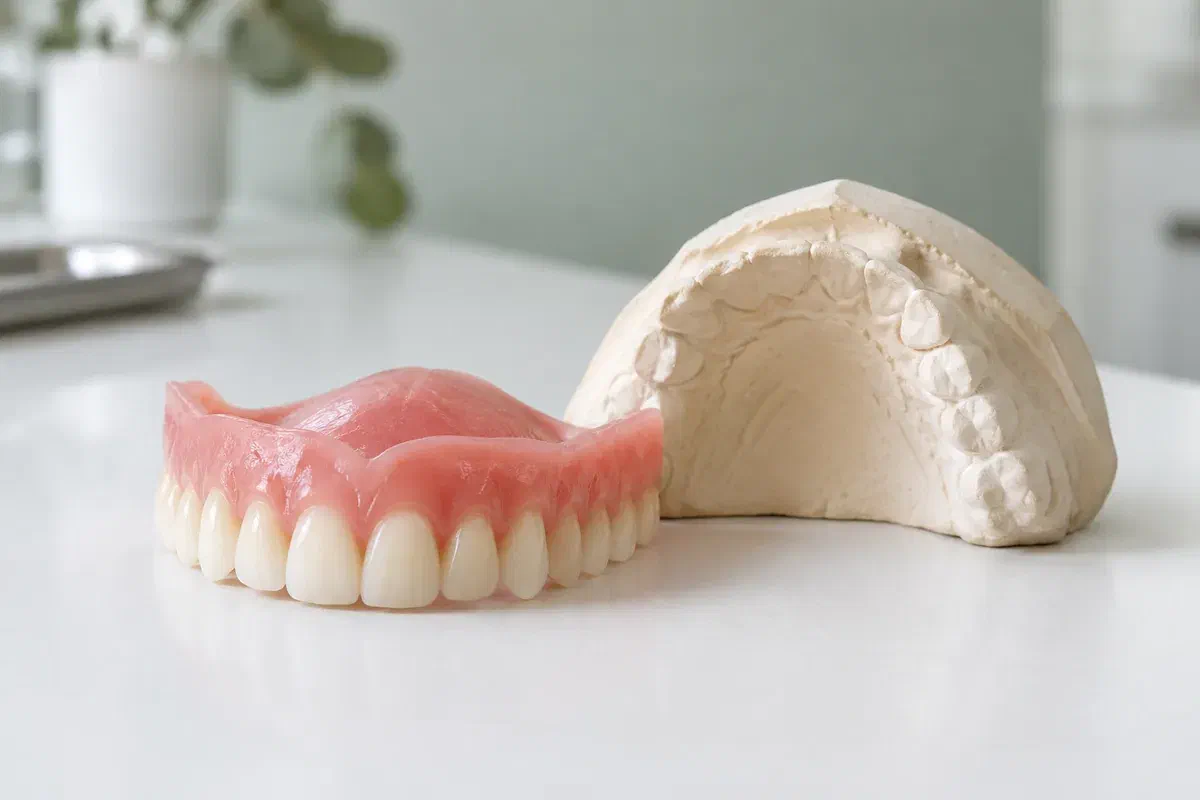
Illustrative denture and dental cast used to explain restorative planning
When preparation needs a closer look

Start with the obstacle to a comfortable, workable restoration.

Explain which part of wearing or planning a prosthesis has become difficult. Your experience helps the clinician connect the examination with a practical goal, rather than treating a ridge shape as a problem in isolation.

Repeated pressure over a particular area

Describe exactly where the denture rubs and whether adjustment has helped. A prominent or irregular ridge may be relevant, but the appliance and surrounding tissues also need assessment. Bring the denture even if you have stopped wearing it, and explain why it became uncomfortable.

Soft tissues that complicate the planned fit

The clinician may need to examine tissue contours, attachments, or areas affected by an old appliance. Ask how a finding would influence the replacement design and whether the tissue should be reassessed after irritation is addressed. Not every difference in tissue shape calls for removal.

A prosthetic plan that involves several providers

If someone has recommended surgery before making your denture, bring the recommendation and ask what information needs to be shared. The proposed procedure should support an agreed restorative plan. Clarify who will confirm that the site is ready before impressions or the next treatment stage.

Report a persistent ulcer, enlarging lump, or unexplained tissue change rather than assuming it is simply denture irritation. Such findings need their own assessment before being folded into a plan for a new appliance.

What coordinated planning can offer

Make the surgical purpose and the restorative next step equally clear.

When surgery is appropriate, its value should be explained in terms of the planned prosthesis. Ask what specific obstacle it addresses, what improvement is realistic, and which limitations will remain. A procedure that changes the tissues does not by itself determine the fit, appearance, or maintenance needs of the final appliance.

Good planning also makes the time between stages less uncertain. Discuss whether an existing denture can be used, whether it needs modification, and what happens if healing changes the original schedule. Knowing the sequence helps you prepare for eating, work, appointments, and the possibility of a temporary arrangement.

Patient information: AAOMS — preparation before fitting a dental prosthesis

An explanation of the area being prepared

Ask the clinician to identify the finding using an examination, model, or appropriate image. Understand whether the proposed work concerns bone, soft tissue, or another issue. A clear explanation makes it easier to compare the procedure with the alternatives and ask useful follow-up questions.

A plan shared by the surgical and restorative teams

The person preparing the site and the person providing the replacement should understand the intended result. Ask who is coordinating records, design requirements, and review appointments. This is especially relevant when the work is divided between different practices or involves a specialist referral.

Realistic expectations for the completed prosthesis

Discuss stability, comfort, cleaning, and the likely need for future adjustments separately. Surgery may address one limitation without eliminating every challenge of wearing a removable appliance. Ask which outcomes can be assessed before treatment and which will need review once the replacement is in use.

How preparation is planned

Agree on the replacement before deciding how to prepare for it.

Bring your questions about surgery and the prosthesis to the same conversation. If you are uncertain about either part, ask for clarification before a procedure is scheduled or an appliance is made.

  1. Review the proposed prosthesis and current difficulties

    Discuss the teeth being replaced, existing appliances, previous adjustments, and what you want to improve. Review health conditions, medicines, and earlier oral surgery. Explain any difficulty attending several appointments so the team can discuss the practical demands of the plan from the outset.

  2. Assess the supporting tissues and relevant records

    The clinician examines the mouth and considers whether imaging or further evaluation would answer a specific question. Ask which finding is important to the proposed restoration. If another provider has already assessed the site, clarify whether those records can inform the current decision.

  3. Compare the options and explain the procedure

    Discuss whether adjustment, redesign, surgery, or specialist assessment is appropriate. If surgery is proposed, review the intended change, material risks, pain control, alternatives, and expected recovery. Confirm what will happen if findings during assessment change the original treatment recommendation.

  4. Coordinate healing and the next restorative appointment

    Ask who will review the surgical site and decide when it is ready for the next stage. Obtain instructions about denture wear, cleaning, food, and contact arrangements. Confirm whether impressions, adjustments, or fitting appointments depend on that review rather than on a fixed calendar alone.

Between preparation and the final prosthesis

Give the healing tissues the conditions your procedure requires.

Aftercare depends on what was done and whether an appliance is being used during recovery. Follow the treating clinician's written instructions instead of adopting a general denture routine immediately after surgery.

Clarify exactly when an appliance may be worn

An existing or temporary denture may need modification or a particular wearing schedule. Ask before placing it over the treated area, and report pressure or rubbing. Do not grind the denture yourself or assume that a previously comfortable fit remains appropriate after the tissues have changed.

Keep cleaning and food instructions specific to the site

Ask which areas can be brushed, how the surgical site should be cared for, and when ordinary eating can resume. Tell the team if pain or the temporary arrangement is making meals difficult. Medicines and rinses should follow the individualized plan rather than instructions borrowed from another operation.

Attend the review before moving to the next stage

A follow-up visit may assess healing, appliance contact, and readiness for restorative work. Bring the denture and note the places that feel different. If another clinician is making the replacement, ask what information they need and whether the next appointment should be adjusted.

Choosing the preparation that fits the plan

Consider the least extensive suitable way to solve the actual problem.

The decision should connect the examination with a specific restorative need. Ask what would happen with each option, including its limitations and whether it changes the sequence or cost of the overall treatment.

When the appliance can address the difficulty

Adjusting or redesigning the prosthesis

A review may identify changes to the denture rather than a need to alter the tissues surgically. Ask whether adjustment, relining, replacement, or a different design is suitable. The choice depends on the condition of the mouth and appliance, not simply how old the denture is.

When a defined tissue feature interferes with the plan

Targeted bone or soft-tissue preparation

Selected cases may involve smoothing an irregular ridge or addressing excess tissue. Ask what will be changed and why that amount is appropriate. The aim is preparation for the agreed restoration, with attention to preserving useful support and explaining the surgical risks.

When anatomy or the restorative goal needs wider planning

Specialist assessment or a different replacement approach

More complex tissue requirements may justify referral or reconsideration of the prosthesis. Ask whether another design could better meet your needs and what additional assessment would be required. A specialist opinion should clarify the choices rather than imply that every possible procedure is necessary.

Questions before preparing for a prosthesis

Understand the connection between surgery and the teeth that come next.

Bring the existing appliance and any written proposal to your consultation. These answers introduce the planning questions; the recommendation for your mouth depends on examination and the agreed replacement design.

(905) 876-4488
Does every new denture require pre-prosthetic oral surgery?
No. Surgery is considered when a specific finding creates a problem for the proposed prosthesis and a surgical approach is appropriate. Many people can proceed without it. Ask what feature is being addressed and why appliance adjustment or another design would not adequately meet the need.
Should the denture design be decided before pre-prosthetic surgery?
The intended restoration should guide the preparation. The surgical and restorative providers need enough shared information to agree on the purpose of treatment. Ask which design decisions are already settled, which remain provisional, and whether the proposed procedure depends on those decisions.
Can I use my old denture while the surgically prepared ridge heals?
That depends on the procedure and how the appliance contacts the treated area. It may need adjustment or a specific wearing schedule. Get direct instructions before using it, and call if it causes pressure or injury. Do not alter the denture at home to make it fit.
Is smoothing the ridge the same thing as adding bone for implants?
No. Reshaping a ridge and adding bone have different purposes and indications. Neither should be assumed from the phrase pre-prosthetic surgery alone. Ask which procedure is being proposed, what it changes, and how it supports the particular prosthesis you are considering.
Will preparation surgery guarantee that my denture never moves?
No. Denture stability also depends on the available support, appliance design, bite, and changes over time. Ask what improvement the procedure is intended to provide and what limitations will remain. The completed prosthesis still needs fitting, review, cleaning, and potentially later adjustment.
Who decides when impressions can be taken after pre-prosthetic surgery?
The treating team should coordinate that decision using the procedure and healing findings. Ask who will review the site and communicate with the provider making the prosthesis. Avoid assuming a date is fixed if the tissues need further recovery or the treatment plan changes.
Plan your preparation in Milton

Bring the denture, the proposal, and the questions that matter to you.

Tell Milton Dental Clinic what replacement is planned and whether another provider has recommended preparation surgery. We can discuss assessment, useful records, and the coordination needed to clarify your next step.

Assessment determines the appropriate treatment and whether specialist referral is needed.

Visit Milton Dental Clinic
Unit 1, 342 Bronte St. S, Milton, ON L9T 5B7
Get directions Clinic hours
Monday–Thursday
11am–7pm
Friday–Sunday
By appointment only

How can we help?

Milton Dental Clinic

Have a question about your smile? Choose the option that works best for you.

For urgent dental concerns, please call.
Messages are reviewed during clinic hours.