

Illustrative discussion of gum treatment using a dental teaching model
Specialized Care

Scaling and Root Planing in Mississauga

Gum treatment has to fit around work, commuting, and everything else. We explain the findings behind a scaling and root planing plan, how the sessions can be arranged, what the hours after freezing are like, and when the results get checked.

Gum care for a full Mississauga calendar

Treatment that has to fit a working week

The first practical question many people ask is not what root planing is, but how many afternoons it will take. That is fair. Still, scheduling makes more sense once the clinical picture is clear: the treatment scrapes and smooths away hardened buildup and bacteria from roots that gum disease has reached, much of it under the gum, and the number of sessions depends on how many sites are involved.

So the conversation starts with findings. Pocket measurements, bleeding, and X-rays show which teeth need active care and which are healthy enough for routine cleaning. From there you can talk about splitting the work, how long each visit is likely to run, and when the follow-up review will need to happen.

For people coming from Mississauga, especially the western neighbourhoods, a clear plan up front helps avoid surprise extra trips. Our Bronte Street team can go through the chart, discuss comfort and freezing, and map out treatment and reassessment in a way that suits your week.

Plan your gum treatment visits
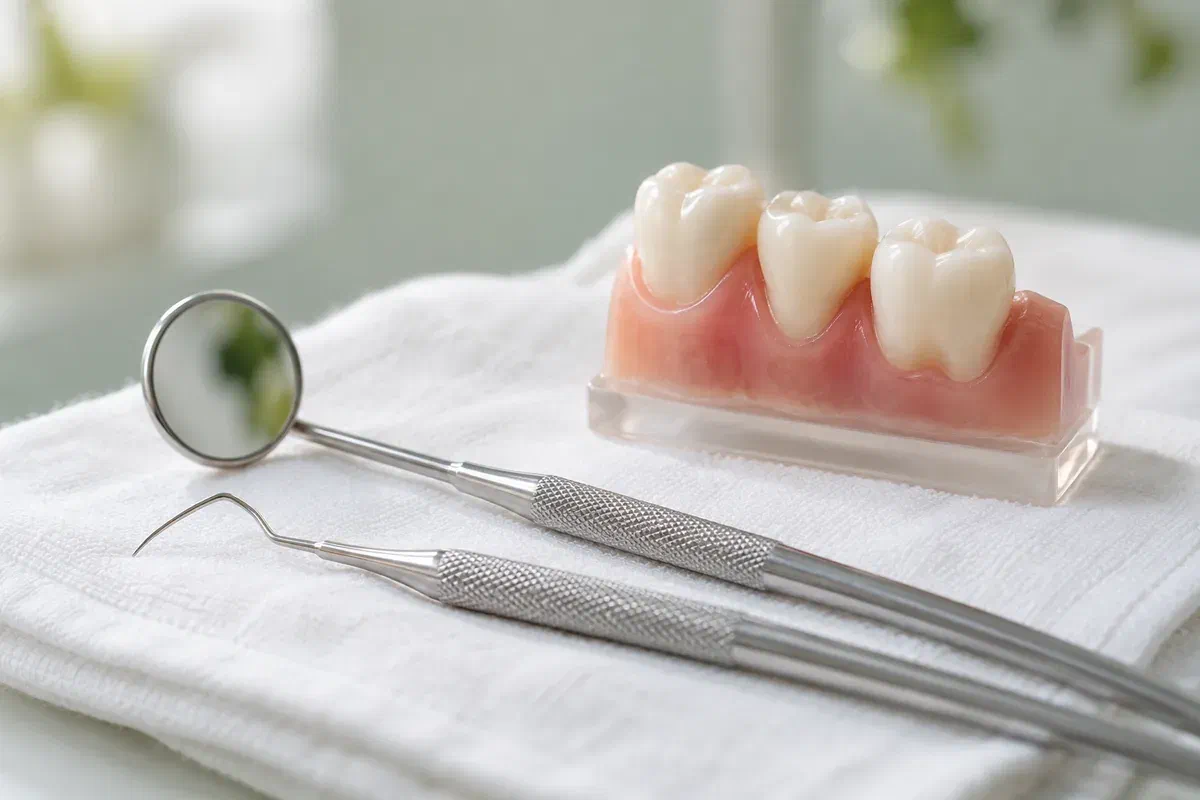
Illustrative periodontal cleaning instrument, mirror, and supported tooth model
Why the visits are being booked

Several findings, weighed together, set the scope

How much treatment you need depends on more than a single measurement. Share what you have noticed, and bear in mind that gum disease frequently progresses without any pain at all.

Bleeding, swollen gums, or deposits along the teeth

Say which areas bleed during brushing and whether any spots have become tender. The exam distinguishes surface inflammation from involvement of the deeper attachment. Ask how what was found at each site leads to the particular treatment and number of sessions being proposed.

Previous pocket depths or bone loss on X-rays

Records from another office, older images, or a periodontist’s report help show change over time. Bring them if you can. Ask which teeth need treatment now and which are only being monitored, because that affects how long the appointments need to be.

A routine that slips when life gets busy

Long days, travel, sensitive teeth, or uncertainty about which aid to use can all leave plaque behind. Be honest about what is realistic. Good advice fits the time you actually have, rather than an ideal routine that will not survive a hectic week.

Painful swelling, pus, fever, or a sudden change around a tooth should not wait for a convenient slot. Call promptly, since an acute problem may need a different kind of appointment.

What the time investment is for

Treating the disease now, and knowing where you stand

Removing deposits from involved root surfaces aims to reduce inflammation and help bring periodontal disease under control. Ask the clinician what they hope to see at each treated site and what the treatment cannot do. Lost bone and attachment do not necessarily return, and different teeth may have different long-term prospects.

The treatment also creates a checkpoint. After healing, the sites are measured again and compared with the start. That tells you whether you can move to regular maintenance, need further treatment, or should see a periodontist. Clear answers at that stage save time and guesswork later.

Focused work on the teeth that need it

Specialized instruments reach root deposits that daily cleaning misses. Ask which teeth are included and why each was chosen. Knowing the scope helps you plan the number of visits, and a longer session reflects the extent of the condition, not a failure on your part.

A home routine that takes realistic time

Ask for a quick, practical demonstration around the treated teeth. Some gaps suit small brushes, others floss or a water flosser. Explain how much time you can give each day so the advice is achievable, and ask what to do if tender gums slow you down.

A booked review with real measurements

The clinician compares new readings with the baseline after a healing interval. Ask what will be checked and how the results affect future visits. Feeling better is a good sign, but stable gums are confirmed by the exam, not by comfort alone.

What a session involves

Know the plan, the timing, and how to stop

Mention earlier cleanings that were hard to sit through, sensitive roots, or concerns about injections. We discuss comfort before starting and agree on a signal so you can ask for a pause whenever you need one.

  1. Confirm findings, scope, and the session plan

    The clinician explains the diagnosis, which teeth are included, and how treatment might be divided. Share your health history, medications, and any past gum care. If another issue such as a broken filling needs attention, ask how it fits into the same schedule.

  2. Arrange comfort measures and begin

    Local anaesthetic is often used for the sections being treated. Ask what you may feel and signal if anything is painful. Instruments are selected for the sites; whether they are manual or ultrasonic is a clinical decision rather than a feature to shop for.

  3. Plan the rest of your day before leaving

    Before the chair goes up, get the practical details: cleaning those teeth for the next few days, food choices while tender, and which symptoms mean a call. If you were frozen, skip hot drinks and chewing on that side until feeling returns, which matters before a work meeting or lunch.

  4. Return for the reassessment

    The review repeats key measurements and compares them with the earlier chart. Ask whether active treatment is complete and which sites still need watching. Your maintenance schedule or any referral should reflect those results and your risk factors.

Between sessions and afterwards

Home care that holds up on hectic days

Your instructions should explain what is normal at the treated sites. If tenderness, a different-looking gumline, or a confusing product gets in the way, call us rather than letting the routine lapse.

Keep to the method that was demonstrated

Use the technique and aids you were shown, with lighter pressure for a while if advised. Do not attempt to clean beneath the gums with a home scaler or pick. If soreness makes you skip areas, ask how to adjust rather than leaving them for later.

Flag sensitivity or changes in the gumline

As swelling subsides, more root may show and spaces may look wider, and cold drinks can sting. Mention these changes and ask about comfort options. Pain that is strong, worsening, or lingering should be checked, not assumed to be part of healing.

Hold on to the review and maintenance dates

Booking the follow-up before you leave makes it easier to keep. A cleaner-feeling mouth does not replace the clinical check. Raise spots you cannot reach or tools you have stopped using. Maintenance intervals can change as your findings and circumstances do.

Matching the plan to the findings

Three stages, three different time commitments

Your plan might be an opening round of active therapy, regular upkeep, or a second look at a stubborn spot. Each one comes with a different number of visits, so knowing which applies makes the calendar easier to plan.

When findings call for a lighter approach

Routine cleaning or care for local inflammation

Some people need a professional cleaning and better plaque control rather than root planing. Ask which diagnosis you have. A procedure should be chosen because the findings support it, not because it sounds more thorough or happens to be listed on a benefits plan.

When involved roots need active treatment

Nonsurgical periodontal therapy with review

Root planing usually forms the first phase, alongside home care that fits your routine and attention to risk factors. Ask how the response will be assessed. The results guide the next step, since one round of treatment rarely settles every future need.

When some sites need a different approach

Further care or a periodontal referral

A few areas may need closer assessment or more treatment after the first phase, and a specialist can help with complex disease. Ask what the referral is meant to answer. Surgery, antibiotics, and adjunct devices are case-by-case choices, not routine extras.

Scheduling and recovery questions

How root planing fits around work in Mississauga

Bring your estimate or records from another office if you have them. These answers cover practical questions we hear often; the right plan for your gums depends on an examination.

(905) 876-4488
Can I go back to work after a root planing session?
Many people do, though it depends on the extent of the session and how you feel. Numbness can make talking and eating awkward for a while. If you have an important meeting or a physical job, mention it when booking so the timing can be discussed.
How far apart are the sessions usually scheduled?
It depends on how much treatment is needed and on clinical judgement. Some plans group work into fewer, longer visits, others spread it out. Tell us your constraints and ask what sequence makes sense for your sites.
What can I eat for lunch after treatment?
Wait until the numbness has worn off before chewing, so you do not bite your cheek or tongue. Softer foods may be more comfortable at first if the gums are tender. Ask whether there is anything specific to avoid for your treated areas.
Will I need pain relief afterwards?
Some people feel tenderness once the freezing fades, others very little. Ask the team what is suitable for you, taking your health and medications into account. Call if pain is increasing or not easing as expected.
Can I book evening appointments?
Our weekday hours run Monday to Thursday until 7pm, with Friday to Sunday by appointment only. Ask when booking which times are available for longer treatment visits and the follow-up review.
Is it worth delaying treatment until a quieter month?
That depends on what the findings show. Active periodontal disease can continue to progress, so ask the clinician how urgent your sites are. If a short delay is reasonable, keep up your home care and book a firm date.
Booking from Mississauga

Get a plan you can actually schedule

Let Milton Dental Clinic know your scheduling limits along with any records from another office, and we can discuss how root planing sessions might fit your week. You will leave knowing which teeth are involved and how the sessions and the later recheck link together.

The number of visits and the review timing are set by your individual periodontal findings.

Visit Milton Dental Clinic
Unit 1, 342 Bronte St. S, Milton, ON L9T 5B7
Get directions Clinic hours
Monday–Thursday
11am–7pm
Friday–Sunday
By appointment only

Areas we serve

  • Milton
  • Oakville
  • Mississauga
  • Georgetown
  • Halton Hills
  • Acton
  • Campbellville
  • Brampton
  • Burlington
  • Puslinch
  • Rockwood
  • Erin
  • Caledon
  • Etobicoke
  • Old Milton
  • Bronte Meadows
  • Timberlea
  • Dorset Park
  • Dempsey
  • Clarke
  • Beaty
  • Coates
  • Harrison
  • Scott
  • Willmott
  • Ford
  • Bowes
  • Cobden
  • Walker
  • Mountain View
  • Milton Heights
  • Hawthorne Village
  • Valley View
  • Fallingbrook
  • Nassagaweya
  • Trafalgar
  • Esquesing
  • Nelson
  • Brookville
  • Moffat
  • Glen Williams
  • Norval
  • Limehouse
  • Stewarttown
  • Ashgrove
  • Hornby
  • Silver Creek
  • Speyside
  • Scotch Block
  • North Oakville
  • River Oaks
  • Glen Abbey
  • West Oak Trails
  • Palermo
  • Bronte Creek
  • College Park
  • Joshua Creek
  • Uptown Core
  • Preserve
  • Iroquois Ridge
  • Lisgar
  • Meadowvale
  • Meadowvale Village
  • Churchill Meadows
  • Erin Mills
  • Central Erin Mills
  • Streetsville
  • East Credit
  • Creditview
  • Heartland
  • Sheridan
  • Mount Pleasant
  • Credit Valley
  • Huttonville
  • Churchville
  • Springbrook
  • Northwest Brampton
  • Bram West
  • Fletcher's Meadow
  • Fletcher's Creek South
  • Alton Village
  • Orchard
  • Millcroft
  • Headon Forest
  • Tansley
  • Brant Hills
  • Tyandaga
  • Kilbride
  • Lowville
  • Aberfoyle
  • Morriston
  • Arkell
  • Hillsburgh
  • Freelton
  • Carlisle
  • Waterdown
  • Flamborough
  • Mountsberg

How can we help?

Milton Dental Clinic

Have a question about your smile? Choose the option that works best for you.

For urgent dental concerns, please call.
Messages are reviewed during clinic hours.