

Illustrative patient describing a painful dental concern to a clinician
Specialized Care

Severe Dental Pain Treatment

Severe tooth or mouth pain deserves prompt assessment of its cause. Call our Milton team at (905) 876-4488 to describe your symptoms and discuss availability. Difficulty breathing or swallowing, spreading swelling, or other medical warning signs require immediate emergency care.

A closer look at severe dental pain

Take the pain seriously. Find the cause before choosing the treatment.

Severe dental pain can make it difficult to sleep, eat, work, or think about anything else. It may feel sharp, throbbing, constant, or hard to locate. Those details help the clinician investigate, but the intensity alone does not identify the cause or establish which procedure will help. An assessment connects your symptoms with the condition of the teeth and surrounding tissues.

Different problems can produce significant pain, including damage to a tooth, inflammation inside it, infection, or a concern involving the gums or a recent procedure. Some pain felt near the teeth has another source. The goal is to explain the findings and direct care appropriately, rather than assume the most painful area automatically needs an extraction or antibiotics.

Call Milton Dental Clinic at (905) 876-4488 and describe what is happening before travelling. Appointment timing depends on the symptoms and availability. If we cannot be reached and the concern needs immediate dental attention, seek another available emergency dental provider. Email and online appointment requests are not suitable for arranging an urgent response.

Request a non-urgent follow-up visit
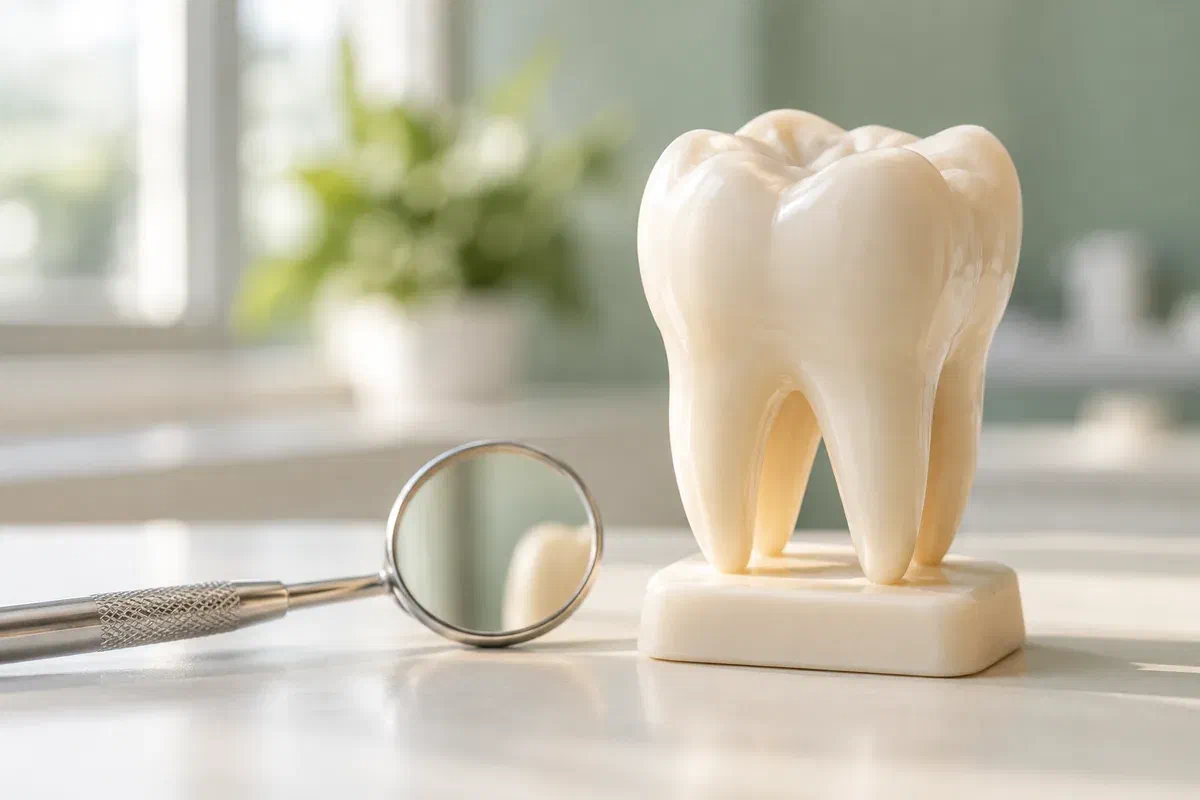
Illustrative molar teaching model and mirror representing a dental assessment
Details that help assess the pain

Describe the pattern, the changes, and how you are feeling overall.

You do not have to know the tooth number or the diagnosis. Start with the most serious symptom, then explain the timing and any recent injury or treatment so the team can consider the appropriate urgency.

Pain that lingers, interrupts sleep, or limits eating

Tell us whether discomfort starts on its own or follows biting, temperature, or another trigger. Explain how long it continues and whether the pattern has changed. Mention what you have tried for relief and whether it helped, but do not keep provoking the tooth to test the pain.

Swelling, fever, or difficulty opening your mouth

Report these symptoms when you first call, including whether swelling is spreading or you feel unwell. They may change the urgency and care setting required. A temporary reduction in tooth pain should not distract from increasing swelling or another sign that the overall condition is worsening.

Pain after an injury, repair, or extraction

Give the date and type of treatment or injury, and describe whether the pain was improving before it worsened. Bring any written instructions and mention the original provider. The clinician needs to distinguish the expected recovery from a problem requiring review or additional treatment.

Call 911 for an immediate emergency, including trouble breathing or swallowing, severe spreading swelling affecting the throat or eyes, or heavy uncontrolled bleeding. Jaw pain with chest discomfort, breathlessness, sweating, nausea, or light-headedness may be a heart-related emergency and must not be treated as an ordinary toothache.

What a focused pain assessment can offer

Get an explanation of the problem and the purpose of the proposed care.

Pain can make decisions feel rushed. Ask the clinician to explain what the examination suggests, which findings support that conclusion, and whether further tests or another opinion are needed. A clear diagnosis matters because removing or treating a tooth will not necessarily address pain that comes from somewhere else.

The conversation should also distinguish immediate comfort from completing treatment. Some visits involve an initial intervention, while others allow a suitable definitive procedure. Ask what has been achieved, what still needs attention, and how the plan will be reviewed if the symptoms do not respond as expected.

A more useful description of the source

The clinician can assess the teeth and tissues alongside your history and appropriate tests. Tell them if the pain seems to move or if several teeth feel involved. Uncertainty should be acknowledged and investigated rather than hidden behind a recommendation that does not fit the findings.

Treatment choices explained before you agree

Ask what each realistic option would involve, how it addresses the problem, and what its limitations are. Discuss the possibility of retaining the tooth where appropriate, as well as the implications of removal. Being in pain does not remove your opportunity to ask questions about recommended care.

A plan for the period after the urgent visit

Clarify the expected course, any temporary restrictions, and the contact route if pain persists or symptoms change. Ask whether follow-up is already arranged and whether a specialist needs to be involved. Written instructions can help when you are tired or finding it difficult to remember the conversation.

How severe dental pain is investigated

Assess urgency first, then match care to the clinical findings.

Tell the team about medical conditions, pregnancy, allergies, and all medicines you use, including non-prescription products. This information helps guide the assessment and any appropriate pain-management advice.

  1. Explain the symptoms and check for urgent warning signs

    Describe the onset, triggers, severity, and associated symptoms during the initial contact and visit. The team considers whether dental assessment is appropriate or whether immediate medical care is needed. If symptoms worsen while waiting, contact a provider again rather than relying on the original booking time.

  2. Examine the relevant teeth, tissues, and treatment history

    The clinician may use tests and suitable images to investigate the source. Explain recent procedures and any pain outside the mouth that seems related. Ask what the results show and what remains uncertain before assuming that a particular tooth is responsible for the whole problem.

  3. Discuss immediate treatment and its alternatives

    The recommendation depends on the diagnosis, tooth condition, and your health. Review the intended benefit, material risks, and what can be achieved at the visit. Medicines are considered where appropriate, but their role should be explained alongside treatment of the underlying dental cause.

  4. Confirm the follow-up and what should prompt earlier contact

    Ask whether the care is complete or whether further treatment is needed. Obtain instructions for any temporary repair or recent procedure and clarify medicine use. Before leaving, know whom to contact if pain remains difficult, swelling develops, or the symptoms change in a concerning way.

Managing the interval between visits

Follow the agreed advice without masking a worsening problem.

What you should do next depends on the diagnosis and any treatment already performed. If you are still waiting for assessment, ask a dentist or pharmacist about suitable short-term relief given your health and medicines.

Check medicine ingredients and dosing instructions

Use pain medicines only as directed by the label or your clinician, and ask before combining products. Some contain the same active ingredient under different names. Do not take extra doses because pain is severe, use someone else's prescription, or place aspirin directly against a tooth or gum.

Avoid home procedures on the painful area

Do not puncture a swelling, file a tooth, or try to drain an infection yourself. Choose foods and cleaning methods consistent with the advice you received, and avoid repeatedly testing a painful bite. Contact the team if eating, drinking, or routine care has become difficult.

Complete the treatment plan even if pain eases

Tell the clinician how symptoms have changed and keep the recommended follow-up. Pain relief alone does not show that decay, a damaged tooth, or another underlying problem has been resolved. Ask before cancelling further care because the immediate discomfort has become less noticeable.

Choosing treatment for the identified cause

Pain intensity does not decide whether a tooth can be repaired or retained.

Ask why the proposed option fits the diagnosis and what it means for the tooth over time. The choice should consider its condition, available alternatives, and the need for further care.

When the findings support restorative care

Repair or adjustment for a suitable local problem

A damaged restoration or another treatable tooth problem may be managed with appropriate repair or adjustment. Ask whether the proposed work is temporary or definitive and what protection the tooth needs afterwards. A visible defect should still be assessed alongside the pain history before deciding it explains everything.

When the pulp or remaining tooth structure guides the decision

Treatment inside the tooth or removal when indicated

Depending on the diagnosis, root canal treatment or extraction may be discussed. Ask whether the tooth is restorable, what further restoration would be needed, and the implications of each approach. Severe pain does not by itself mean the tooth cannot be saved or that either option is automatically required.

When the source or complexity needs another assessment

Further investigation or coordinated specialist care

Pain that is difficult to locate or does not fit a dental finding may require further evaluation. Referral can help answer a specific question or provide complex treatment. Ask about the interim plan and urgency while avoiding irreversible treatment of a tooth without a clear clinical reason.

Patient information: American Dental Association — treating dental causes rather than routinely prescribing antibiotics

Questions when dental pain is severe

You can ask for help without knowing which treatment you need.

Call about severe or worsening symptoms so urgency and availability can be discussed. The answers below introduce the assessment process; your own treatment decision requires examination and relevant clinical findings.

(905) 876-4488
Does very severe tooth pain always mean there is an abscess?
No. Several dental and non-dental problems can cause intense pain. Swelling, symptoms, examination findings, and appropriate tests help establish the cause. Do not diagnose an abscess from pain intensity alone or assume that antibiotics are the answer before the problem has been assessed.
Can the tooth that feels painful be different from the source of the problem?
Yes, pain can be difficult to locate and may be felt beyond its source. Tell the clinician if the location seems to change or several teeth feel involved. Examination and tests help identify the appropriate target for care before an irreversible procedure is considered.
If severe dental pain suddenly stops, is it safe to cancel the examination?
Not without discussing the change with the clinician. Symptoms can fluctuate without the underlying problem being resolved. Explain whether anything else has changed, especially swelling or general health. Keep the recommended assessment or follow-up unless the treating team advises a different plan.
Should I take more pain medicine than the label allows if my tooth still hurts?
No. Extra doses can be dangerous and do not replace dental assessment. Ask a dentist or pharmacist about safe options considering your medicines and health. If pain remains severe, contact an urgent dental provider rather than increasing doses or combining products without appropriate advice.
Why might a dentist recommend treatment without antibiotics for severe tooth pain?
Many painful dental conditions need care directed at the tooth or surrounding tissues rather than routine antibiotics. Whether an antibiotic is appropriate depends on the diagnosis, spread of infection, and health circumstances. Ask what the recommended treatment addresses and what follow-up is needed.
Should jaw pain with breathlessness or chest discomfort wait for a dental appointment?
No. Jaw discomfort with possible heart-attack symptoms needs immediate medical help. Call 911 rather than assuming it is a tooth problem or waiting for a dental callback. Chest discomfort is not present in every heart attack, so other concerning symptoms must also be taken seriously.
Call about severe dental pain in Milton

Explain what has changed so we can discuss the next step.

Call (905) 876-4488 before travelling to Milton Dental Clinic. Describe the pain, any swelling, and recent treatment or injury. If we are unavailable and immediate dental care is needed, seek another available emergency dental provider.

Online forms and email are for non-urgent enquiries. Call 911 for immediate medical emergencies.

Visit Milton Dental Clinic
Unit 1, 342 Bronte St. S, Milton, ON L9T 5B7
Get directions Clinic hours
Monday–Thursday
11am–7pm
Friday–Sunday
By appointment only

How can we help?

Milton Dental Clinic

Have a question about your smile? Choose the option that works best for you.

For urgent dental concerns, please call.
Messages are reviewed during clinic hours.