

Illustrative consultation explaining a planned tooth extraction with a dental model
Specialized Care

Simple Tooth Extractions in Etobicoke

Travelling a longer distance for dental care makes planning matter more. This page for Etobicoke explains how a simple extraction is assessed and carried out, how to organize visits sensibly, and what to do if a problem arises during healing once you are back home.

Extractions planned around a longer trip

Make each visit count, and know your plan B before you leave.

When the dental office is not around the corner, every appointment involves time on the road, and recovery happens a good distance away. That is not a reason to rush a decision. A simple extraction refers to taking out a tooth that can be accessed and loosened with instruments, without planned surgery to the gum. It names the technique; it does not shrink the choice or rule out complications.

Ask for the reasoning in concrete terms. Perhaps the tooth cannot be rebuilt with confidence, the gum and bone holding it have weakened, or another treatment needs the space. Since a removed tooth is gone permanently, the explanation should include alternatives and what will happen to the gap afterwards.

If you are coming from Etobicoke, mention it when booking so we can talk about how many visits are likely and what can sensibly be grouped. Share your medical details, previous dental experiences, and worries. We will explain the approach, comfort measures, risks that apply to you, and recovery, so you head home knowing what to watch for.

Plan an extraction with fewer trips
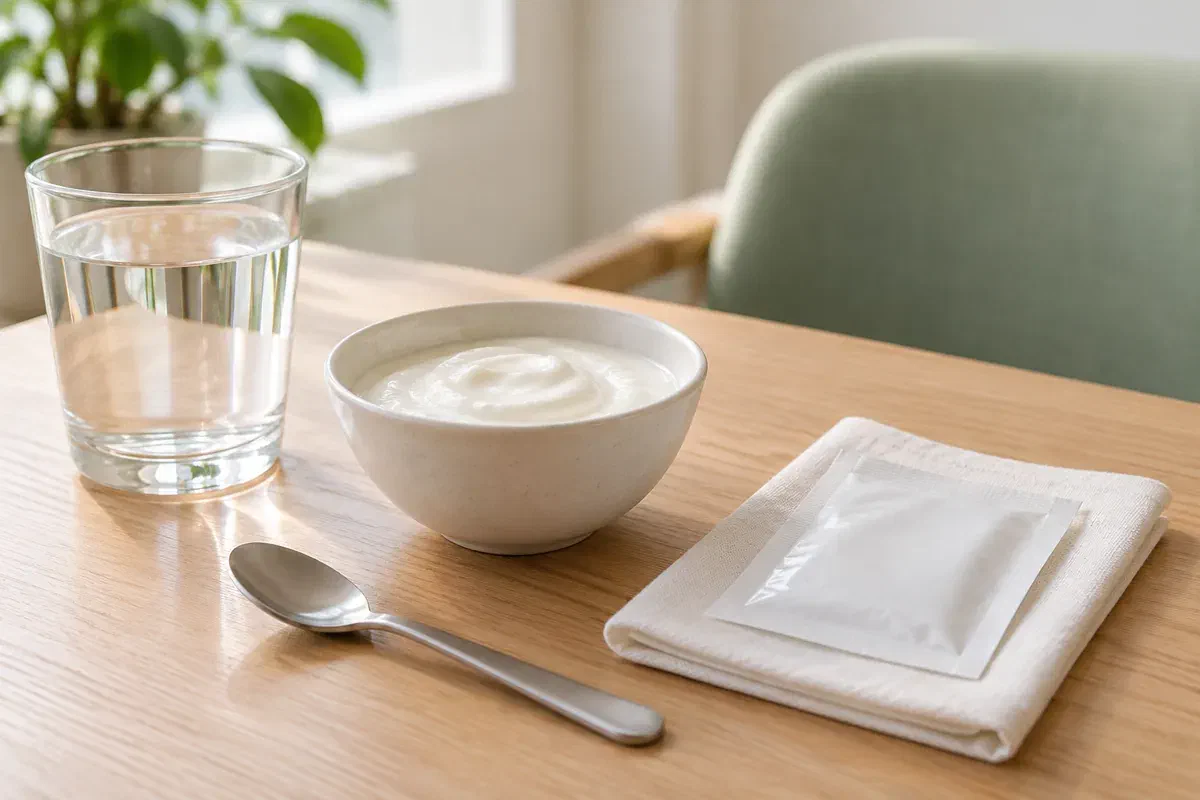
Illustrative water, soft food, and packaged gauze for planning extraction recovery
Questions worth asking early

What makes removal the right recommendation here?

A clear reason should be tied to your tooth, not to extractions in general. Send or bring X-rays and notes from any dentist you have seen recently, which may save repeating records and help everyone see the full history.

A tooth that may not survive another repair

Find out what is left of the tooth, how healthy the root and surrounding tissues appear, and what restoring it would take. A badly damaged tooth sometimes can be saved. Let examination findings guide you rather than how the tooth looks or how strongly it hurts right now.

Removal that connects to other treatment

If an orthodontist or another dentist closer to home asked for this tooth to come out, confirm exactly which one and what happens next. Ask how records will move between offices, so the plan stays consistent wherever your follow-up takes place.

Medical factors that may change the plan

Tell us about medicines, bleeding tendencies, slow healing in the past, and ongoing medical treatment. Bone-related medicines and any history of radiation to the jaws are especially relevant. These may affect timing or lead to referral; do not alter prescribed treatment on your own beforehand.

Do not wait for the planned date if swelling, fever, or rapidly worsening pain appears; call about it. If breathing or swallowing becomes difficult, swelling spreads fast, or bleeding will not stop, get emergency medical care right away at the nearest hospital or by calling 911.

Why careful planning pays off

Less guesswork, fewer return trips

A justified extraction gets rid of the tooth that was causing trouble. What it does not do is close the file. Neighbouring teeth may need work, the socket may need a look, and replacement might come up later. Hearing about all of that at the start lets you book time off and travel once rather than several times.

Planning also gives you time to think about the journey home. How will it feel, how do you call a pause, and should someone else be behind the wheel? The honest answer depends on your procedure and whether sedation is involved, rather than on a word in the treatment plan.

Patient information: University Hospitals of Liverpool — extraction under local anaesthetic

A clear expectation of how removal should go

You should hear why this tooth seems likely to come out without surgery, and what could change that. If it cracked or resisted, would you need another trip, or a referral? Knowing the possibilities lets you budget your time honestly.

Numbing and anxiety planned in advance

Local anaesthetic numbs the area in most simple extractions, and its effect is checked before removal begins. Ask how to request a pause. If anxiety is a concern, raise it before the day rather than assuming sedation is available or right for you.

Aftercare you can manage from home

Ask about meals, cleaning, activity, and whether a review is needed in person. If replacing the tooth is something you are considering, discuss options and timing without assuming an implant or denture will follow immediately.

On the day

Confirm, freeze, remove, explain

Ask for a short explanation at each stage, especially if something seems different from what was discussed. Agree on a signal before treatment so you can pause the clinician at any time.

  1. Double-check the tooth and your consent

    The clinician reconfirms the tooth and the reason for removal, looks at your images and findings, and goes over any changes in your health. You hear the alternatives and material risks before agreeing. If anything is uncertain, it is resolved before an irreversible step.

  2. Allow the anaesthetic time to work

    Once the area is numb, removal can begin. Pressure and movement are common sensations, but sharp pain is not, and you should signal immediately if you feel it. Starting treatment never means you must tolerate discomfort.

  3. Take the tooth out carefully

    Controlled instrument movements suited to the tooth gradually free it. If it fractures or does not respond as expected, the clinician may need to reassess, and further care might need another appointment. Ask beforehand how that would be arranged.

  4. Settle bleeding and prepare you for the trip home

    Bleeding is controlled before you leave, and you receive written instructions. Make sure you know how to manage medicines, food, and cleaning, who to call, and what to do outside office hours. Ask whether a follow-up visit is really needed.

Healing once you are home

Recovery happens away from the clinic, so prepare for it.

Because you will be some distance from our office, set yourself up before the appointment: soft food in the fridge, gauze at home, and your instructions saved on your phone. Call us with any uncertainty, and know where you would go locally in an emergency.

Protect the socket during the first day

No rinsing, no spitting, and no prodding with your tongue through the first day. If oozing restarts in the car or at home that evening, bite on fresh gauze and hold steady pressure for the time you were given. Persistent bleeding is a reason to phone, not to keep peeking.

Keep food gentle and cleaning careful

Choose soft foods and avoid hot drinks while numbness lasts, so you do not burn or bite your lip. Brush the rest of your mouth as normal and resume gentle rinsing when advised. Follow guidance on smoking, alcohol, and exercise for your procedure.

Manage pain and watch for changes

Stick with the painkiller your clinician suggested. Prescribed aspirin or anticoagulants stay as they are unless your prescriber changes them. Pain that is climbing, swelling getting bigger, bleeding that keeps returning, or odd numbness all warrant a call rather than a wait.

Patient information: University College London Hospitals — protecting the extraction site during recovery

Weighing up the routes

Keep the tooth, remove it here, or refer?

A sore or damaged tooth does not automatically need extraction, and some extractions are better done elsewhere. Ask how your findings point to each option, and how many visits each would realistically involve.

When repair or other care remains reasonable

Treatment to save the tooth

Saving a tooth can mean a series of appointments for root canal work, a crown, or gum therapy, which is worth factoring in when each one involves a longer drive. Ask about the likely outlook and long-term upkeep, and expect candour if the tooth's foundation is doubtful.

When removal is the right step and access is good

A planned simple extraction

Often this is a single visit with the area frozen and standard instruments doing the work. You still deserve a full talk about risks and home care beforehand. An easy-looking case does not skip consent, effective comfort, or a fallback if things go differently.

When anatomy, access, or health complicate removal

Surgical assessment or a referral

Fractured teeth, hooked roots, nerves or sinuses close by, or certain health conditions can point to a surgical provider. Ask why, whether more imaging would help, and whether someone nearer to where you live could take it on. Safety outweighs finishing in one sitting.

Questions from Etobicoke

Planning ahead makes the day easier.

Tell the team about your travel, work, medicines, and dental history so advice fits your circumstances. Your clinician will explain what to expect and the instructions that apply afterwards.

(905) 876-4488
Can the assessment and the extraction happen on the same day?
Sometimes, if the examination and records support it and you have had time to consider the options. In other cases a separate visit is better. Ask when booking whether combining appointments is realistic for your situation.
What should I do if a problem starts after office hours?
Follow the after-hours advice in your instructions. For heavy uncontrolled bleeding, or swelling that affects breathing or swallowing, call 911 or attend the nearest emergency department. Other concerns can be discussed with our team when the office reopens.
Is it all right to drive home after a simple extraction?
With local anaesthetic alone, many people can drive, but ask what applies to you. If sedation is planned, you will need someone else to drive. Bring gauze for the trip in case of minor bleeding.
Do I need to come back for a follow-up after removal?
Not always. Your clinician will say whether an in-person review is needed for your tooth. Ask whether any check can be combined with other planned care to save a trip.
How long until I can chew normally again?
Most people avoid chewing on the treated side for a while and move back to normal foods gradually as the area heals. Your clinician can give a timeframe for your procedure and tell you what to avoid in the meantime.
Can I get my extraction records sent to my regular dentist?
Yes. Ask the team to share records and notes with your regular dentist or any specialist involved, so whoever sees you next has the full picture.
Extraction planning for Etobicoke

Book an assessment that maps out every step.

Let Milton Dental Clinic know you are making the trip, and we can help shape a sensible sequence of appointments. Have your recent X-rays forwarded if possible, write down every medicine you take, and mention any health issue that might affect the day or the healing.

Severe pain or swelling? Phone before setting out. An exam determines whether removal is straightforward or better referred.

Visit Milton Dental Clinic
Unit 1, 342 Bronte St. S, Milton, ON L9T 5B7
Get directions Clinic hours
Monday–Thursday
11am–7pm
Friday–Sunday
By appointment only

Areas we serve

  • Milton
  • Oakville
  • Mississauga
  • Georgetown
  • Halton Hills
  • Acton
  • Campbellville
  • Brampton
  • Burlington
  • Puslinch
  • Rockwood
  • Erin
  • Caledon
  • Etobicoke
  • Old Milton
  • Bronte Meadows
  • Timberlea
  • Dorset Park
  • Dempsey
  • Clarke
  • Beaty
  • Coates
  • Harrison
  • Scott
  • Willmott
  • Ford
  • Bowes
  • Cobden
  • Walker
  • Mountain View
  • Milton Heights
  • Hawthorne Village
  • Valley View
  • Fallingbrook
  • Nassagaweya
  • Trafalgar
  • Esquesing
  • Nelson
  • Brookville
  • Moffat
  • Glen Williams
  • Norval
  • Limehouse
  • Stewarttown
  • Ashgrove
  • Hornby
  • Silver Creek
  • Speyside
  • Scotch Block
  • North Oakville
  • River Oaks
  • Glen Abbey
  • West Oak Trails
  • Palermo
  • Bronte Creek
  • College Park
  • Joshua Creek
  • Uptown Core
  • Preserve
  • Iroquois Ridge
  • Lisgar
  • Meadowvale
  • Meadowvale Village
  • Churchill Meadows
  • Erin Mills
  • Central Erin Mills
  • Streetsville
  • East Credit
  • Creditview
  • Heartland
  • Sheridan
  • Mount Pleasant
  • Credit Valley
  • Huttonville
  • Churchville
  • Springbrook
  • Northwest Brampton
  • Bram West
  • Fletcher's Meadow
  • Fletcher's Creek South
  • Alton Village
  • Orchard
  • Millcroft
  • Headon Forest
  • Tansley
  • Brant Hills
  • Tyandaga
  • Kilbride
  • Lowville
  • Aberfoyle
  • Morriston
  • Arkell
  • Hillsburgh
  • Freelton
  • Carlisle
  • Waterdown
  • Flamborough
  • Mountsberg

How can we help?

Milton Dental Clinic

Have a question about your smile? Choose the option that works best for you.

For urgent dental concerns, please call.
Messages are reviewed during clinic hours.