

Illustrative adult consultation about the dental part of sleep-apnea care
Specialized Care

Sleep Apnea Dental Assessments in Campbellville

When most trips mean driving, daytime sleepiness is more than an inconvenience. For adults in Campbellville whose physician is considering an oral appliance, this dental assessment reviews teeth, gums and jaw, while the medical side of sleep apnea stays front and centre.

Safety first, then the dental questions

If you nod off behind the wheel, see your doctor before you see us.

In a rural setting, errands, work and school runs usually happen by car. Fighting to stay alert during a drive, dozing at a red light or needing a nap by mid-afternoon are signs to raise with a doctor promptly. Untreated sleep apnea can affect alertness, and that matters for you and everyone else on the road.

Once a medical provider has diagnosed sleep apnea and raised an oral appliance as part of treatment, the dental assessment has a defined role. It examines teeth, gums, restorations, bite and jaw function and explains whether a device could be supported and reviewed safely over time, which dental issues should be dealt with first, and what limitations to expect. Diagnosis and severity are medical questions that a look in the mouth cannot answer, and an assessment does not guarantee that an appliance will suit you.

For households in Campbellville, appointments often get grouped with other errands. That works well here, as long as someone else drives if you feel drowsy. Bring your sleep report or referral and details of current therapy, and Dr. Zoha Anjum can talk through coordination with your sleep provider.

Arrange a dental sleep assessment
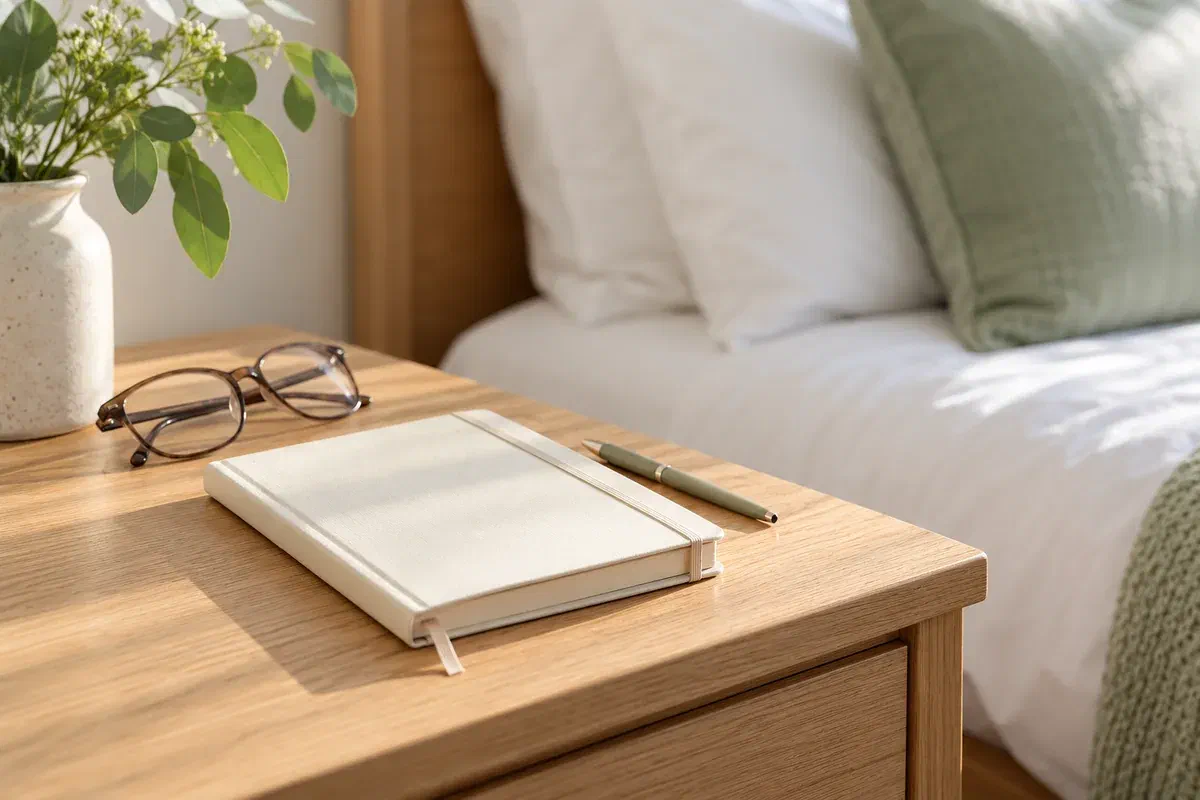
Illustrative sleep journal and glasses beside a bed in morning light
What leads people here

Three situations, one shared priority: staying safe

Some people have a clear recommendation, some are wrestling with their therapy, and some are tired all the time without knowing why. Let us know which fits you.

A diagnosis, with an appliance being considered

Bring the physician's recommendation, along with your own understanding of the diagnosis and the treatment you use now. We will tell you whether the information supports dental planning or whether we should check with the sleep provider. Any device is considered only within that medical plan.

Therapy that is difficult to keep up

Be specific about the trouble, whether it is mask discomfort, broken sleep or an appliance that no longer fits snugly. Continue using prescribed PAP and talk to the prescriber about the problem. Stopping therapy while waiting for a dental appointment can leave you drowsy and at risk.

Tiredness and snoring that nobody has explained

Persistent sleepiness, loud snoring or pauses in breathing that someone has noticed need a medical evaluation, which your doctor can arrange. No dental exam or checklist can confirm sleep apnea. We are glad to explain the dental side once the medical picture is clearer.

If you feel drowsy, don't drive; ask someone else or wait. Get medical advice promptly about marked daytime sleepiness or breathing concerns, and tell anyone planning sedation or surgery that you have sleep apnea. Breathing difficulty while awake, or any other emergency, needs emergency services right away.

Where the dental review helps

Knowing early whether your mouth can support a device

If an appliance is part of the plan, finding dental obstacles early can keep treatment from stalling. The assessment points out which findings affect feasibility or timing, which can be treated and what your sleep provider should hear. It also describes the ongoing commitment, such as fitting visits, adjustments and checkups, so you can plan around it.

You will also hear frankly what a device can and cannot promise. Comfort, possible bite changes and actual control of sleep apnea are three distinct questions. Sleeping comfortably with an appliance does not prove your alertness problem is solved. Ask how your medical team will confirm the response and how the dental side will monitor teeth, gums and jaw.

Patient information: AASM and AADSM — oral appliance therapy and coordinated follow-up

The teeth and gums a device relies on

The clinician reviews tooth condition, crowns, fillings and gum support in light of the proposed appliance. Mention a tooth that feels loose or a crown that is new or still planned. These details can influence fit and timing, so they are worth raising.

Where your jaw stands today

Jaw pain, locking, reduced opening and previous jaw treatment are recorded. That baseline gives later reviews something to measure against. A sore or clicking jaw today is not an automatic barrier, though it should be explained and noted first.

Who checks what, and when

Clarify who owns the diagnosis, who prescribes, who reviews the device and who confirms effectiveness, and how information is shared. When alertness and safety are at stake, it matters that someone confirms the sleep condition is treated, not just that the device fits.

Inside the visit

History, examination, discussion, plan

Nothing is ordered at this appointment. It is a place to decide, with an explanation of any missing information, your options and the order in which care would proceed.

  1. The medical background

    Your report or referral is reviewed alongside your health conditions, medicines and treatments tried. Mention how sleepiness affects your day, including driving. If a diagnosis is missing or important questions are open, we explain which medical step should come before dental planning goes further.

  2. The oral and jaw examination

    The clinician assesses teeth, gums, restorations and jaw movement and takes records where useful. Bring your current device if you have one, and mention planned dental work. Ask how each significant finding affects suitability, timing or the value of a more specialized opinion.

  3. An honest look at options

    We discuss whether an appliance makes sense within your medical plan and whether dental treatment should come first. Possible effects on the teeth, the gums, your jaw joints and how the teeth meet are explained, as are daily use and cleaning. We are clear about who would provide each step.

  4. A next step you can act on

    If a device goes ahead, we explain who supplies it and how fitting, adjustment and medical evaluation will be organized, ideally grouping visits where that is sensible. If it does not, we explain how the findings reach your sleep provider. You leave knowing what comes next.

After the appointment

Stay treated and stay alert while the plan comes together.

You may need to send records, book dental care, see another provider or start coordinated appliance care. Confirm which tasks are yours and which the offices will handle between themselves.

Send records and finish agreed care

Forward the report or provider details and complete the dental treatment you agreed to. If a tooth or filling changes while a device is in planning, let the team know. Fit problems are much easier to prevent before an appliance is made than to correct afterwards.

Don't let therapy lapse

Keep using prescribed PAP and don't replace it with a pharmacy mouthguard because an assessment has taken place. If therapy is difficult, explain the problem to your medical team and ask how any switch would be timed, so you are not left untreated and drowsy.

Book dental checks and an effectiveness review

Once a device is in use, know how to report soreness, bite changes or a poor fit, and when your next dental visit falls. Follow your sleep provider's plan for confirming results. Feeling sharper is good to report, but objective evaluation still matters.

Routes forward

Snoring on its own doesn't call for a mouthpiece.

Your diagnosis, medical advice, oral health and preferences all shape the decision. Ask what each route would involve and how anyone will know it has worked.

When diagnosis or the medical plan needs work

Medical evaluation or adjusting current therapy

Unexplained sleepiness or difficulty with prescribed therapy belong with your medical provider, who may consider PAP adjustments or other options. A dental visit can help with coordination, but it cannot set the sleep plan from oral findings alone.

When teeth, gums or jaw need attention

Treating the mouth or seeking a dental specialist

Treatment or a more focused dental opinion may need to come before a device. Ask what issue is being treated and how it affects timing or device choices. Completing that care does not guarantee you will be suitable.

When medical and dental findings support it

A custom device as part of the agreed plan

A qualified provider may make a custom appliance, with instructions, adjustments and regular review. Ask how its effect on your sleep apnea, and on your daytime alertness, will be checked, and what remains if it is not enough. A grinding guard cannot do this job.

Patient information: NHLBI — PAP therapy, oral devices, and other sleep-apnea treatment options

Questions from Campbellville

Alertness, driving and dental sleep care

Bring your sleep records, a short note on how sleepiness affects your day and any device you use. A clear starting point helps every provider plan safely.

(905) 876-4488
Should I drive myself to the appointment if I feel very sleepy during the day?
If you are drowsy, arrange for someone else to drive or reschedule. Your safety and that of others comes first. Mention the sleepiness to your doctor as well, since it may need prompt medical attention.
Can untreated sleep apnea affect my safety at work or on the road?
Daytime sleepiness from untreated sleep apnea can affect alertness. Discuss this with your medical provider, who can advise on treatment and any safety precautions that apply to your situation.
Can I combine the dental assessment with other appointments in Milton?
Many people plan it alongside other errands. Ask when booking how long to allow. If treatment or extra records are needed, the team can explain what can be done at the same visit and what needs another trip.
What if I feel more alert with an appliance but my sleep test still shows a problem?
The test result matters. Your sleep provider will discuss options, which may include adjusting the device or considering other treatment. Keep following their advice and let the dental team know what is decided.
Does a dental assessment involve any testing for sleep apnea?
No. Sleep testing is arranged through your medical provider. The dental assessment examines your teeth, gums, bite and jaw and records their condition for appliance planning.
Can a missing back tooth affect whether an appliance will stay in place?
It can. Appliances rely on teeth for support, so gaps and the condition of neighbouring teeth are considered. The clinician will explain whether this affects suitability or whether replacement should be discussed first.
Book from Campbellville

Get the medical side moving, then talk to us.

Reach out to Milton Dental Clinic once you have a diagnosis or referral and we can explain which records to bring. Tell us about your current therapy, any device and planned dental work, so coordination or a referral can be considered and visits grouped where possible.

Diagnosis and the review of treatment effectiveness remain with your medical sleep provider.

Visit Milton Dental Clinic
Unit 1, 342 Bronte St. S, Milton, ON L9T 5B7
Get directions Clinic hours
Monday–Thursday
11am–7pm
Friday–Sunday
By appointment only

Areas we serve

  • Milton
  • Oakville
  • Mississauga
  • Georgetown
  • Halton Hills
  • Acton
  • Campbellville
  • Brampton
  • Burlington
  • Puslinch
  • Rockwood
  • Erin
  • Caledon
  • Etobicoke
  • Old Milton
  • Bronte Meadows
  • Timberlea
  • Dorset Park
  • Dempsey
  • Clarke
  • Beaty
  • Coates
  • Harrison
  • Scott
  • Willmott
  • Ford
  • Bowes
  • Cobden
  • Walker
  • Mountain View
  • Milton Heights
  • Hawthorne Village
  • Valley View
  • Fallingbrook
  • Nassagaweya
  • Trafalgar
  • Esquesing
  • Nelson
  • Brookville
  • Moffat
  • Glen Williams
  • Norval
  • Limehouse
  • Stewarttown
  • Ashgrove
  • Hornby
  • Silver Creek
  • Speyside
  • Scotch Block
  • North Oakville
  • River Oaks
  • Glen Abbey
  • West Oak Trails
  • Palermo
  • Bronte Creek
  • College Park
  • Joshua Creek
  • Uptown Core
  • Preserve
  • Iroquois Ridge
  • Lisgar
  • Meadowvale
  • Meadowvale Village
  • Churchill Meadows
  • Erin Mills
  • Central Erin Mills
  • Streetsville
  • East Credit
  • Creditview
  • Heartland
  • Sheridan
  • Mount Pleasant
  • Credit Valley
  • Huttonville
  • Churchville
  • Springbrook
  • Northwest Brampton
  • Bram West
  • Fletcher's Meadow
  • Fletcher's Creek South
  • Alton Village
  • Orchard
  • Millcroft
  • Headon Forest
  • Tansley
  • Brant Hills
  • Tyandaga
  • Kilbride
  • Lowville
  • Aberfoyle
  • Morriston
  • Arkell
  • Hillsburgh
  • Freelton
  • Carlisle
  • Waterdown
  • Flamborough
  • Mountsberg

How can we help?

Milton Dental Clinic

Have a question about your smile? Choose the option that works best for you.

For urgent dental concerns, please call.
Messages are reviewed during clinic hours.