

Illustrative adult consultation about the dental part of sleep-apnea care
Specialized Care

Sleep Apnea Dental Assessments in Erin

Waking with a dry mouth, a dull headache and the feeling you never really slept can be worth mentioning to your doctor. If sleep apnea is diagnosed and an oral appliance is suggested, adults from Erin and Hillsburgh can book this dental assessment of teeth, gums and jaw.

The morning tells part of the story

A dry mouth, a heavy head and a long day ahead

Mornings like that have many possible causes, and sleep apnea is only one of them. They are still worth raising with your doctor, especially alongside loud snoring or pauses in breathing that someone else has noticed. A medical evaluation, and any testing it involves, is how sleep apnea is identified.

Dentistry enters the picture later, once a diagnosis exists and an oral appliance has been suggested as part of treatment. A sleep-apnea dental assessment then reviews the teeth, gums, crowns and fillings, how the bite meets and how the jaw moves, and explains whether a device could be supported and monitored, which dental concerns need treatment first, and which limitations or risks apply. Diagnosing the condition or judging its severity is outside its scope, and no assessment can promise that a device will be suitable.

For people in Erin, who often plan appointments well ahead, it helps to collect things in one folder: the sleep report or referral, notes on current therapy, a medication list and any device you use. Dr. Zoha Anjum can then discuss findings and the coordination your sleep provider may need.

Ask about a dental sleep visit
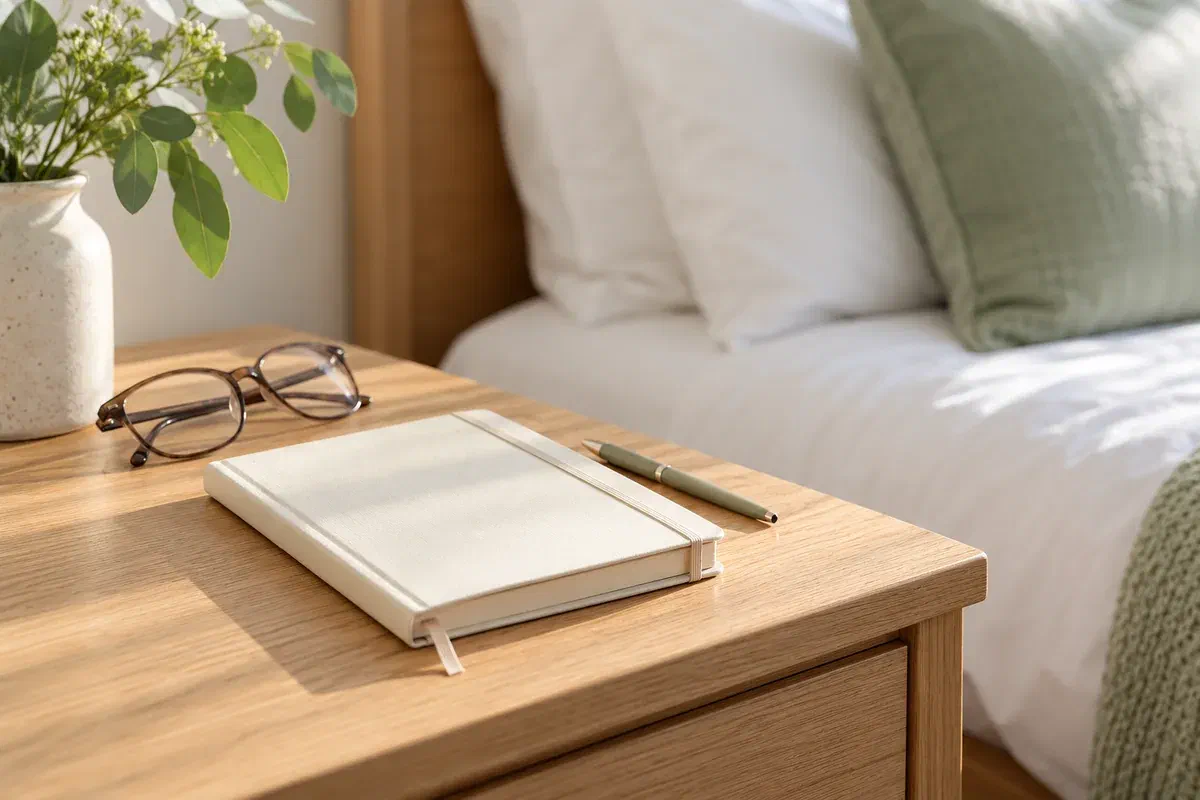
Illustrative sleep journal and glasses beside a bed in morning light
Why people get in touch

Start with what you know so far.

Your first appointment depends on whether you have a diagnosis, a struggle with therapy, or symptoms that haven't been looked into. A quick description helps us prepare.

An oral appliance has been recommended

Share the recommendation and anything you've learned about your type of sleep apnea and current care. We will confirm whether that is enough to plan around or whether a word with the sleep provider is needed first. A device is only considered within their plan.

Prescribed therapy feels impossible to keep up

Explain the problem in your own words, whether it's a mask that leaks, a mouth that dries out, or an appliance that has worked loose. Keep using PAP and tell the prescribing team about the difficulty. Alternatives depend on medical and dental findings considered side by side.

Morning symptoms without a diagnosis

Unrefreshing sleep, morning headaches, snoring or daytime sleepiness are reasons to see your doctor, who can arrange the right assessment. A dental exam or screening form cannot diagnose sleep apnea. We can describe dentistry's role without turning these symptoms into an appliance order.

Wait to drive until you feel alert. Get medical advice promptly about heavy daytime sleepiness or breathing concerns, and tell anyone planning sedation or surgery about your sleep apnea. Should breathing become difficult while you are awake, or another emergency happen, get emergency help immediately.

What the review can tell you

How ready your mouth is, and what a device would ask of you

Dental findings can make an appliance practical, postpone it, or point toward other options. The assessment explains which findings carry weight, which can be treated and what should be relayed to your sleep provider. It also covers what comes after a fitting, such as adjustments, routine checks and keeping the device clean.

Setting expectations is part of the job. Comfort, slow changes to your bite and actual control of sleep apnea are separate matters, and better mornings alone don't confirm the condition is treated. Ask how your medical team will assess the response and how the dental side will look after teeth, gums and jaw.

Patient information: AASM and AADSM — oral appliance therapy and coordinated follow-up

Teeth and gums in good enough shape to anchor a device

Tooth condition, restorations and gum support are reviewed in relation to the proposed appliance. A dry mouth can affect teeth and gums too, so mention it. Bring up any loose tooth or crown that is new or planned, as these can change fit and timing.

Jaw comfort before anything begins

Morning jaw stiffness, pain, locking or reduced opening are recorded, along with any earlier jaw care. That baseline helps later reviews. Present symptoms don't settle the decision either way, but the clinician will want to know their pattern first.

Agreement on who handles each step

Diagnosis, prescription, device review and effectiveness testing each need a responsible provider, and records need a way to move between them. Settling this avoids a situation where the device is reviewed for comfort while the sleep condition goes unchecked.

Walking through the appointment

What to expect, start to finish

You decide at this visit; you don't commit. Expect to hear what is missing, which options exist and the order care would follow.

  1. Sleep history and current treatment

    We review the report or referral, health conditions, medicines and earlier treatments, and talk about your mornings and daytime energy. If there is no diagnosis yet, or the records leave questions open, we explain which medical assessment to pursue before the dental side goes further.

  2. A look at teeth, gums and jaw

    The clinician examines teeth, soft tissues, restorations and jaw movement, taking records where useful. Mention dry mouth, planned dental work and any device you wear. For each significant finding, ask how it affects suitability or timing, and whether a more specialized opinion would help.

  3. Weighing an appliance against your plan

    We discuss whether a device is sensible within your medical plan and whether any dental care should be finished first. Possible changes to teeth, gums, jaw and bite are explained, together with daily wear and cleaning. You'll hear who would provide each service.

  4. Leaving with a clear next step

    If appliance care proceeds, we explain who supplies it, how the device will be fitted and gradually adjusted, and how the medical side will confirm results. If not, we describe how findings reach your sleep provider. Either way, the next move is clear.

Once you're home

Carry on with current therapy while the dental side catches up.

Next could mean gathering records, booking dental care, seeing another provider or starting a coordinated appliance plan. Clarify which tasks are yours and which happen between offices.

Tidy up records and treatment

Send whatever was requested and complete agreed dental care. If a filling breaks or a tooth changes while a device is being planned, let the team know. Adjusting plans before a device is made is far easier than fixing fit later.

Keep the prescriber in charge of therapy

Don't stop PAP or swap it for a drugstore mouthguard because an assessment has happened. If therapy is difficult, describe the trouble to your medical team and ask how any change would be timed so you're covered throughout.

Watch the mouth and confirm the results

With a device in use, know how to flag tooth or jaw discomfort, a bite that feels different or a loose fit, and when to come back. Your sleep provider will confirm effectiveness their way. Brighter mornings are good to share, but objective testing still counts.

What might come next

Several possible paths, and an appliance is only one of them

Diagnosis, medical advice, oral health and your preferences all point toward the right path. Ask what each involves and how its effect would be measured.

When symptoms or therapy need medical input

A medical evaluation or therapy review

Unexplained morning symptoms or difficulty with prescribed therapy go to your medical provider, who may consider PAP or other approaches. A dental visit supports coordination, but oral findings alone can't produce the sleep plan.

When oral health needs work first

Dental care or a more focused opinion

Treatment or a specialist dental opinion may need to happen before a device is considered. Ask what is being addressed and how it affects timing or device options. Completing it does not by itself make you suitable.

When the medical and dental assessments line up

A custom appliance as part of the plan

Where both sides agree, a custom device can be made by a qualified provider and comes with instructions, a series of adjustments and scheduled review. Ask how its effect will be tested and what alternatives remain if it isn't enough. A guard made for grinding won't treat sleep apnea.

Patient information: NHLBI — PAP therapy, oral devices, and other sleep-apnea treatment options

Erin questions

Mornings, symptoms and the dental side of sleep care

A folder with your sleep records, medication list and any device makes the visit more useful. A clear starting point helps every provider plan.

(905) 876-4488
Can waking up with a dry mouth be related to how I sleep?
It can have several causes, including mouth breathing, some medicines and certain sleep problems. Mention it to your doctor and to the dental team. A persistently dry mouth can also affect teeth and gums, so it is worth checking either way.
Are morning headaches a reason to ask about sleep apnea?
They can be one of several symptoms worth discussing with your doctor, particularly alongside snoring or daytime sleepiness. Only a medical evaluation can determine the cause. Keeping a short note of how often the headaches happen and how you slept the night before can make that conversation more useful.
Can my hygienist tell me if I might have sleep apnea?
A hygienist or dentist may notice signs worth mentioning to your doctor, but they cannot diagnose sleep apnea. If something comes up at a cleaning, the team can suggest you raise it with your physician.
Can an oral appliance cause extra saliva or tooth tenderness at first?
Some people notice these when starting with a device. Report anything that lasts or worsens at your follow-up rather than forcing the appliance. The provider can review fit and comfort.
Should I tell the dental team about all my medications?
Yes. Some medicines affect saliva or the gums, and your general health is part of planning. Bring a current list to the assessment, including supplements and anything taken only at night, and update the team if a prescription changes later.
If my mornings improve with an appliance, do I still need a follow-up sleep test?
Your sleep provider decides. Feeling better is encouraging but does not confirm that sleep apnea is controlled. Follow their plan and keep up regular dental reviews.
Visiting from Erin

One folder, one call, and a clearer next step

Phone Milton Dental Clinic to book an assessment of your mouth for a possible sleep appliance and find out what to bring. Tell us about current therapy, any device, your medications and planned dental work, and we can think about any referral or contact with your sleep provider from the start.

Your medical sleep provider remains responsible for diagnosis and for confirming that treatment works.

Visit Milton Dental Clinic
Unit 1, 342 Bronte St. S, Milton, ON L9T 5B7
Get directions Clinic hours
Monday–Thursday
11am–7pm
Friday–Sunday
By appointment only

Areas we serve

  • Milton
  • Oakville
  • Mississauga
  • Georgetown
  • Halton Hills
  • Acton
  • Campbellville
  • Brampton
  • Burlington
  • Puslinch
  • Rockwood
  • Erin
  • Caledon
  • Etobicoke
  • Old Milton
  • Bronte Meadows
  • Timberlea
  • Dorset Park
  • Dempsey
  • Clarke
  • Beaty
  • Coates
  • Harrison
  • Scott
  • Willmott
  • Ford
  • Bowes
  • Cobden
  • Walker
  • Mountain View
  • Milton Heights
  • Hawthorne Village
  • Valley View
  • Fallingbrook
  • Nassagaweya
  • Trafalgar
  • Esquesing
  • Nelson
  • Brookville
  • Moffat
  • Glen Williams
  • Norval
  • Limehouse
  • Stewarttown
  • Ashgrove
  • Hornby
  • Silver Creek
  • Speyside
  • Scotch Block
  • North Oakville
  • River Oaks
  • Glen Abbey
  • West Oak Trails
  • Palermo
  • Bronte Creek
  • College Park
  • Joshua Creek
  • Uptown Core
  • Preserve
  • Iroquois Ridge
  • Lisgar
  • Meadowvale
  • Meadowvale Village
  • Churchill Meadows
  • Erin Mills
  • Central Erin Mills
  • Streetsville
  • East Credit
  • Creditview
  • Heartland
  • Sheridan
  • Mount Pleasant
  • Credit Valley
  • Huttonville
  • Churchville
  • Springbrook
  • Northwest Brampton
  • Bram West
  • Fletcher's Meadow
  • Fletcher's Creek South
  • Alton Village
  • Orchard
  • Millcroft
  • Headon Forest
  • Tansley
  • Brant Hills
  • Tyandaga
  • Kilbride
  • Lowville
  • Aberfoyle
  • Morriston
  • Arkell
  • Hillsburgh
  • Freelton
  • Carlisle
  • Waterdown
  • Flamborough
  • Mountsberg

How can we help?

Milton Dental Clinic

Have a question about your smile? Choose the option that works best for you.

For urgent dental concerns, please call.
Messages are reviewed during clinic hours.