

Illustrative adult consultation about the dental part of sleep-apnea care
Specialized Care

Sleep Apnea Dental Assessments in Milton

Your sleep physician has mentioned an oral appliance, and now the question is whether your mouth can support one. A dental assessment in Milton reviews your teeth, gums, bite and jaw so the dental findings can sit alongside the medical plan you already have.

After the sleep clinic mentions a mouthpiece

The medical side named the option. The dental side checks whether it fits you.

Many people arrive with a single sentence from their physician: an oral appliance could be worth looking into. That sentence opens a dental question rather than answering one. A sleep-apnea dental assessment examines whether your teeth, gums, restorations and jaw could hold and tolerate a device that is part of an agreed medical plan.

What the visit cannot do is diagnose sleep apnea or judge how severe it is from the look of your mouth. Those answers come from your medical provider and any sleep testing they arrange. Our role is narrower and still important: describing the oral conditions that could affect an appliance, flagging dental work that may need to come first, and explaining the limits and risks honestly. A thorough assessment still does not promise that a device will be the right choice.

For an appointment in Milton, gather what you have before you call: the sleep-study report, the referral or note from your physician, and details of any treatment you use now, including a CPAP machine or an older mouthpiece. Dr. Zoha Anjum can then explain which coordination or referral would clarify the next step.

Ask about a dental sleep assessment
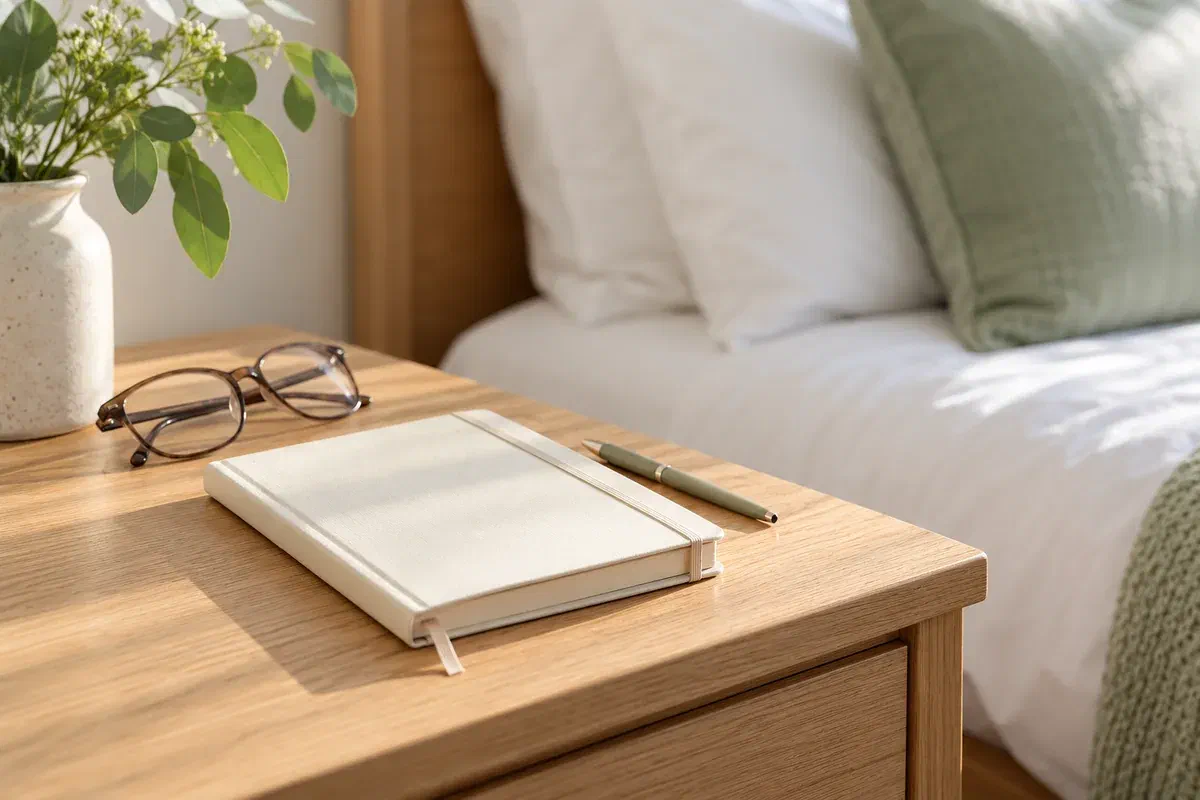
Illustrative sleep journal and glasses beside a bed in morning light
Where people tend to be in the process

Tell us what you already know about your sleep, and what is still a question mark.

Some people come straight from a sleep consultation. Others raise loud snoring during a routine cleaning without ever having been tested. Each starting point leads to a different first conversation.

You have a diagnosis and an appliance has been suggested

Share the recommendation and what you were told about the type of sleep apnea and your current care. We can tell you whether those records give enough to plan around or whether we should contact your sleep provider. Any device belongs inside that medical plan, not alongside it as a separate purchase.

Your current treatment or device is hard to live with

Describe what goes wrong: soreness, a mask that keeps you awake, a mouthpiece that no longer seats properly. Keep using prescribed PAP therapy and raise the difficulty with the team that prescribed it, even with a dental visit on the calendar. Choosing an alternative depends on the medical and dental picture together.

Snoring or tiredness that nobody has investigated yet

Loud snoring, pauses someone has noticed, or heavy daytime sleepiness are worth reporting to your family doctor first, who can arrange a proper sleep assessment. A dental exam or a checklist cannot confirm the condition. We can explain the dental role without turning an unexplained symptom into an appliance order.

Avoid driving when you feel drowsy. Get timely medical advice about marked daytime sleepiness or breathing concerns, and let every healthcare provider know about diagnosed sleep apnea before sedation or surgery. Trouble breathing while awake, or any other medical emergency, needs emergency services right away.

What you leave knowing

A clearer read on your mouth, and on the follow-up a device would bring.

An assessment can surface dental issues that change whether appliance care is practical, or when it could begin. You can ask which findings carry weight, which can be treated, and what your sleep provider should hear about them. Talking about suitability ought to include the months of care after a fitting, not just whether a device can be manufactured.

The visit is also a chance to set realistic expectations about comfort, possible bite changes and how well treatment works. Comfort and control of sleep apnea are separate things; an appliance can feel fine and still fall short. Find out how the medical team plans to measure your response and how the dental side will keep watch over teeth, gums and jaw.

Patient information: AASM and AADSM — oral appliance therapy and coordinated follow-up

A look at the teeth and the tissues that hold them

The clinician reviews tooth condition, existing fillings and crowns, and gum support with the proposed device in mind. Raise any loose tooth, recent crown or restoration that is still being planned. These details can affect fit and timing, so they deserve mention even when they seem minor to you.

A starting record of your bite and jaw

Mention jaw pain, locking, restricted opening or treatment you have had for your jaw before. Writing down how things are today makes later comfort checks and any changes easier to judge. Existing symptoms do not all point to the same answer, though they should be understood before any device is chosen or adjusted.

Clear roles for each provider

Find out who handles the diagnosis, who makes prescribing decisions, who reviews the device and who confirms that treatment is working. Ask how records will travel between offices. Settling this early avoids a situation where the fit is checked carefully but nobody confirms the sleep condition is controlled.

The visit, step by step

Medical records first, then the mouth, then a plan you understand.

This appointment is for making a decision, not for committing to a device. Expect to hear what information is missing, which pathways are open to you, and the order care would follow.

  1. Going over your diagnosis and treatment so far

    We talk through the report or referral, relevant health conditions, medications and anything you have already tried. Explain what drew you to an oral appliance. If there is no diagnosis yet, or the records leave key questions open, we will say which medical step should happen before dental planning moves forward.

  2. Examining teeth, tissues, bite and jaw movement

    The clinician looks at the relevant teeth, gums, restorations and jaw function, taking records where they are useful. Mention upcoming dental treatment and bring any device you wear. You can ask how each notable finding bears on suitability, timing, or whether a more specialized dental opinion would help.

  3. Talking through suitability and the realistic options

    Together we consider whether an appliance is reasonable within your medical plan and whether dental treatment should come first. Ask about possible effects on teeth, gums, jaw and bite, plus daily use and care. We will be clear about who would provide each service rather than assuming everything is offered in one place.

  4. Settling records, coordination and when to review

    If appliance care goes ahead, you will know who provides it and how fitting, adjustments and medical evaluation will be arranged. If it does not, ask how the findings reach your sleep provider. Either way, you should walk out with a defined next step, not an unexplained yes or no.

Once the assessment is done

Stay on your current treatment while the dental questions get answered.

What follows might be gathering records, finishing dental treatment, a referral, or coordinated appliance care. Clarify which tasks fall to you and which the providers will handle between themselves.

Finish the records and dental care you agreed to

Send along the report or provider details and complete any oral-health treatment that was recommended. If a filling breaks or a tooth changes while a device is being planned, let the treating team know. Anything that affects fit is better considered before the appliance is made than discovered at the fitting.

Keep treatment decisions with your prescriber

A dental assessment is not a reason to set PAP therapy aside or swap it for a drugstore mouthguard. If treatment is a struggle, describe the problem to your medical team. Ask how any switch would be handled so you are never left with a stretch of time without suitable care.

Book both dental checks and an effectiveness review

When a device is supplied, find out how to report soreness, bite changes or a poor fit and when your next check falls. Follow your sleep provider's plan for confirming results. Quieter nights and feeling more rested are worth mentioning, yet they cannot stand in for objective evaluation.

Which path comes next

For snoring alone, a mouthpiece is rarely the automatic first step.

The right choice draws on your diagnosis, medical recommendations, oral health and your own preferences. Ask what each route involves and how its results would be checked.

When the diagnosis or medical plan is unclear

A medical assessment or a review of current therapy

Sleep symptoms without a diagnosis, or difficulty with prescribed therapy, belong with your medical provider. PAP treatment and other approaches may apply depending on your condition. A dental visit can help with coordination, but oral findings alone cannot set the whole sleep-treatment plan.

When oral-health findings need attention

Dental treatment first or a specialist opinion

Your mouth may need care, or a more focused opinion, before a device is considered. Ask which problem is being treated and whether it changes the device options or timing. Finishing dental work does not guarantee suitability; the combined medical and dental picture still decides.

When both assessments support it

A custom device inside an agreed plan

A suitable custom appliance may be considered with a qualified provider, along with instructions, adjustments and ongoing review. Ask how its effectiveness will be confirmed and what alternatives remain if it falls short. A standard grinding guard cannot substitute for a prescribed sleep-apnea appliance.

Patient information: NHLBI — PAP therapy, oral devices, and other sleep-apnea treatment options

Common questions in Milton

What people ask before their first dental sleep visit

Bring your sleep report or referral if you have one, and jot down your questions about your mouth and current care. Starting with the right information helps everyone coordinate the next step.

(905) 876-4488
My physician suggested an oral appliance. Do I still need a dental assessment?
Yes. The medical recommendation says an appliance may suit your type of sleep apnea; the dental assessment checks whether your teeth, gums, restorations and jaw can support one. Both pieces are needed, and the findings from each should be shared so that a device is not planned on half the information.
Will a missing tooth or a bridge rule out an oral appliance?
Not automatically, but missing teeth, bridges and other restorations can affect how a device is held and how forces are spread. The clinician will look at which teeth are available for support and whether anything should be treated first. Mention any planned replacements so they can be factored into timing.
How long does a sleep-apnea dental assessment take?
Timing depends on how complete your records are and what the examination finds. A visit with a clear diagnosis and stable oral health tends to be simpler than one that uncovers treatment needs. Ask when booking how long to set aside, and whether a second visit may be required.
Can the dentist decide on my own sleep treatment if I find CPAP difficult?
No. Changes to prescribed therapy are decided with your medical provider. Tell them about the difficulty and that you are exploring a dental assessment. If an alternative is reasonable, both providers can plan the changeover so you are not left without treatment in between.
What happens if the assessment finds my mouth is not suitable right now?
You should hear why, and whether the reason can be treated. Sometimes gum care or a restoration comes first; sometimes an appliance is unlikely to be a good option. Either way, ask how the findings will be passed to your sleep provider so they can review other choices with you.
If my partner says the snoring stopped, is the appliance working?
That is a useful report, but it does not confirm the sleep apnea is controlled. Your medical provider decides how to check effectiveness, which may include repeat testing. Separately, dental reviews keep an eye on fit, gums, jaw comfort and bite.
Book in Milton

Your sleep records and your appliance questions make a good starting point.

Call Milton Dental Clinic to arrange a sleep-apnea dental assessment and ask which records to bring. Let us know about your current treatment, any device you own and dental work you have planned, so the right coordination or referral can be considered from the start.

Diagnosis and checking how well treatment works stay with your medical sleep provider as part of coordinated care.

Visit Milton Dental Clinic
Unit 1, 342 Bronte St. S, Milton, ON L9T 5B7
Get directions Clinic hours
Monday–Thursday
11am–7pm
Friday–Sunday
By appointment only

Areas we serve

  • Milton
  • Oakville
  • Mississauga
  • Georgetown
  • Halton Hills
  • Acton
  • Campbellville
  • Brampton
  • Burlington
  • Puslinch
  • Rockwood
  • Erin
  • Caledon
  • Etobicoke
  • Old Milton
  • Bronte Meadows
  • Timberlea
  • Dorset Park
  • Dempsey
  • Clarke
  • Beaty
  • Coates
  • Harrison
  • Scott
  • Willmott
  • Ford
  • Bowes
  • Cobden
  • Walker
  • Mountain View
  • Milton Heights
  • Hawthorne Village
  • Valley View
  • Fallingbrook
  • Nassagaweya
  • Trafalgar
  • Esquesing
  • Nelson
  • Brookville
  • Moffat
  • Glen Williams
  • Norval
  • Limehouse
  • Stewarttown
  • Ashgrove
  • Hornby
  • Silver Creek
  • Speyside
  • Scotch Block
  • North Oakville
  • River Oaks
  • Glen Abbey
  • West Oak Trails
  • Palermo
  • Bronte Creek
  • College Park
  • Joshua Creek
  • Uptown Core
  • Preserve
  • Iroquois Ridge
  • Lisgar
  • Meadowvale
  • Meadowvale Village
  • Churchill Meadows
  • Erin Mills
  • Central Erin Mills
  • Streetsville
  • East Credit
  • Creditview
  • Heartland
  • Sheridan
  • Mount Pleasant
  • Credit Valley
  • Huttonville
  • Churchville
  • Springbrook
  • Northwest Brampton
  • Bram West
  • Fletcher's Meadow
  • Fletcher's Creek South
  • Alton Village
  • Orchard
  • Millcroft
  • Headon Forest
  • Tansley
  • Brant Hills
  • Tyandaga
  • Kilbride
  • Lowville
  • Aberfoyle
  • Morriston
  • Arkell
  • Hillsburgh
  • Freelton
  • Carlisle
  • Waterdown
  • Flamborough
  • Mountsberg

How can we help?

Milton Dental Clinic

Have a question about your smile? Choose the option that works best for you.

For urgent dental concerns, please call.
Messages are reviewed during clinic hours.