

Illustrative consultation about an injury to the mouth's soft tissues
Specialized Care

Soft-Tissue Dental Injury Treatment in Mississauga

A loose brace wire digging into the cheek, a lip split on the playground, or a gum scraped by a cracked tooth can disrupt a whole week. Phone our team to describe the injury, plan the dental side, and spot the signs that call for medical care right away.

When braces, a fall or a broken tooth injures the mouth

One sore spot, several possible causes.

Busy households in Mississauga tend to notice mouth injuries at awkward times: a child comes home from school with a swollen lip, a teen’s orthodontic wire starts poking the cheek, or a parent realizes the gum keeps catching on a tooth that chipped days ago. Each involves the soft tissues of the mouth. Each also deserves a check of the teeth and bite beside them.

Treatment is guided by what the wound is like, not by how inconvenient it is. Depth, location, active bleeding, possible contamination and any injury to nearby structures all play a part. A small scrape may heal with sensible care. A deep, dirty or gaping wound may need professional cleaning, stitches, or a medical setting instead.

Ring (905) 876-4488 when you can. Explain how and when the injury happened, whether it is still bleeding, and whether a tooth, brace or the bite seems different. We will discuss timing and what to do in the meantime. If emergency medical care is needed, please go now and leave dental questions for later.

Ask about a cheek, lip or gum injury
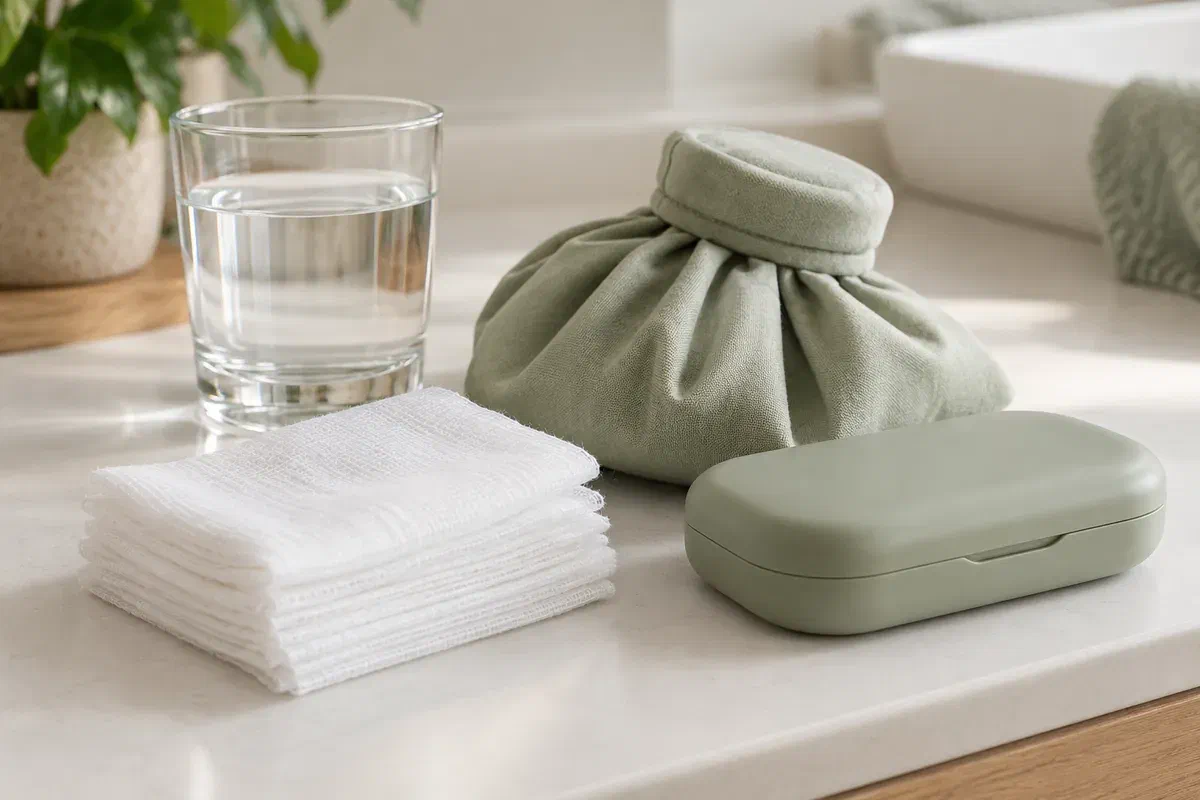
Illustrative clean gauze and a wrapped cold pack prepared for first aid
What to note before you call

Bleeding, debris and other injuries change the advice.

A glance in the mirror tells you little about depth or what is lodged inside. Mention the cause and any symptoms beyond the sore area so the team can suggest the right type of assessment.

A deep cut or bleeding that will not settle

Use a clean cloth or gauze and keep soft, even pressure on the bleeding area you can reach while help is arranged. Avoid pulling the lip or cheek aside to look again and again. When bleeding is heavy or persistent, a cut looks deep, or blood is hard to control, get urgent assessment rather than booking online.

Tooth pieces, broken appliance parts or grit in the cut

Tell the clinician about a tooth that broke, a bracket or wire that snapped, or dirt and glass that may have entered the wound. Small pieces can sit out of sight. Do not probe, dig, or try to close the cut, and do not bend a wire with household pliers.

A changed bite or signs of a head injury

Teeth that no longer fit together normally, a jaw that is hard to open, a heavy hit to the face, dizziness, vomiting or passing out are all worth reporting. Each may require medical assessment as well as dental care. The obvious cut may not explain every symptom after an accident.

Phone 911 if someone has trouble breathing, has lost consciousness, or is bleeding heavily without stopping. Major facial injuries and concerning signs after a head knock need urgent medical attention, and that care comes before any dental visit.

What an assessment gives you

Care that looks past the sore spot.

An in-person examination lets the clinician see the wound alongside the teeth, appliance and bite, and say whether local care is enough or another approach is needed. You are welcome to ask what was checked and what is still unknown. Cleaning, watching, closing or referring a wound should reflect its real features and the person’s needs, not just its appearance.

It also maps out what comes after the first visit. Gums and cheeks often heal faster than an injured tooth reveals its response. Ask whether a dental review is still recommended once the soreness fades, and what should prompt an earlier call.

Patient information: Alder Hey — assessment and treatment of mouth soft-tissue injuries

Look for contamination and plan wound care

Describe where the injury happened and what the mouth touched, such as a schoolyard surface, a sports field or a metal edge. That helps the clinician decide whether the wound needs washing out, a closer look or a doctor’s opinion, and whether immunization status should be reviewed. Do not treat an uncertain wound with strong chemicals or tools at home.

Check teeth, braces and the bite together

Report tooth tenderness, movement, a sharp edge, a loose bracket or a bite that feels unusual. Soft-tissue injuries frequently appear with dental or appliance damage. A cheek that heals does not mean the tooth or brace no longer needs attention.

Confirm who treats what, and when

Ask whether the wound can be managed at the dental appointment, or whether a medical or surgical service is the better fit. If you are referred, note where to go and how urgently. If braces are involved, ask whether your orthodontist also needs to be contacted.

A typical injury visit

Here is how the appointment usually runs.

Let us know what you have done so far, what medicine has been taken, and whether a walk-in clinic, hospital or orthodontist has already been involved. Bring discharge instructions and any tooth or appliance pieces you can carry safely, without delaying urgent care to find them.

  1. Start with what happened and what is urgent

    The clinician asks about timing, cause, bleeding and other symptoms, then decides whether dental care is appropriate or medical care should come first. Bring a list of current medications, especially anything that thins the blood, and note any allergies or ongoing conditions. Please do not stop a prescribed medicine yourself just because the mouth bled.

  2. Examine the tissue, teeth, appliance and bite

    The wound, the teeth around it, any brace or retainer, and the bite are examined as appropriate. Mention anything missing or possibly embedded. Imaging or another provider may be needed for some injuries, but small cuts do not all need the same tests or treatment.

  3. Choose cleaning, closure, adjustment or referral

    Ask why the proposed care suits this wound and how comfort will be managed. Some injuries need careful local care; others need stitches or another treatment setting. Where a wire or bracket is the cause, the source of irritation also needs a plan.

  4. Agree on home care and follow-up roles

    Ask what to eat, how to clean around the wound and appliance, and how to manage soreness. Find out whether stitches need review or removal, and by whom. If teeth were injured, set up their follow-up separately instead of assuming a healed cheek finishes the dental plan.

After the appointment in Mississauga

Calm, clean and undisturbed: that is the goal.

Care depends on the wound, any stitches and any tooth or appliance damage. Use the treating clinician’s instructions rather than an extraction routine or a product meant for another problem.

Protect the area from rubbing and stretching

Resist pulling the cheek back to check progress. Choose comfortable foods and avoid biting swollen or numb tissue. If orthodontic wax was recommended, use it as shown; if a wire, bracket or sharp tooth keeps catching the spot, call so the source can be dealt with.

Clean as the clinician recommends

Ask which areas you can brush, how to clean around braces, and whether a rinse is appropriate for the patient’s age. Household cleaners, vigorous scrubbing and aspirin pressed against the sore all irritate tissue and should be avoided. Advice on medicines and mouthwash should be specific to the individual.

Watch the trend and keep the review

Seek advice for returning bleeding, rising swelling, worsening pain, discharge, fever or slow healing. Report new tooth sensitivity, movement or colour change as well. These signs need assessment even if the original injury looked minor.

Treatment routes

What was found shapes what happens next.

Ask what each treatment is designed to do and how it will be checked afterward. A stitch closes tissue, an orthodontic adjustment removes the cause of rubbing, a dental repair restores a tooth and a medical exam looks for injuries elsewhere. One accident can need several of these.

When the examined wound can heal without closure

Local wound care and observation

Smaller wounds often heal with proper cleaning and protection, with a review when needed. Ask what healthy progress looks like and when to call. Deciding not to stitch should follow examination rather than a guess about length.

When the wound’s features need more

Stitches or specialist wound care

Wounds that are deep, gaping, contaminated or complex may need closure or care from a hospital or surgical service. Ask who should treat it and how fast. Never apply household glue or trim tissue yourself.

When teeth or their supporting tissues were affected

Follow-up for an injured tooth

A tooth that broke, shifted or was hit may need care alongside the wound. Ask what the exam showed and whether X-rays or repeat checks are likely. A gum that looks pink and healthy again tells you nothing certain about the nerve inside the tooth.

Patient information: AAE — dental trauma and the importance of follow-up

Questions Mississauga parents ask

Helpful answers when the mouth has been hurt.

Every injury is individual, so use these answers as general guidance. With urgent symptoms, call or seek emergency care rather than waiting on an online request.

(905) 876-4488
A brace wire is poking my child’s cheek. What can we do tonight?
If your orthodontist gave you wax, a small piece over the end of the wire may ease rubbing. Do not cut or bend the wire with household tools. Call your orthodontist or our team to have it checked, and seek urgent care if there is heavy bleeding or a deep wound.
Should I call the orthodontist or the dentist about a cheek injury from braces?
Both may need to know. The dentist can assess the wound and teeth, and the orthodontist may need to adjust the appliance. Call us to describe the injury and we can help work out who to contact first.
Can a sore cheek from a chipped tooth heal while the chip is still there?
It may struggle to heal if the sharp edge keeps rubbing. Contact the dentist to assess the tooth and the tissue. Please do not file the tooth yourself.
My child’s lip is swollen after a fall but not bleeding. Do we need to come in?
Call to describe what happened. Swelling without bleeding can still come with a knocked tooth or a changed bite. Signs of a head injury, such as vomiting or drowsiness, need urgent medical care.
Is it safe to return to school or work after a mouth injury?
Often yes, once bleeding is controlled and the person feels well, but ask the treating clinician. They can advise on eating, sports and activities based on the wound and any stitches.
What should I do if the wound starts bleeding again at home?
Sit upright and apply gentle, steady pressure with clean gauze. Contact the treating team for advice. Heavy bleeding or bleeding that will not slow needs urgent help.
Calling from Mississauga

Share what happened and what you are seeing now.

Phone (905) 876-4488 if a lip, gum, cheek or tongue has been cut, bruised or rubbed raw by braces or a broken tooth, and ask when we can fit you in. Mention ongoing bleeding and damaged teeth. Use online requests only for non-urgent questions; urgent concerns need emergency services.

Call ahead before making the trip. When the phone goes unanswered and the injury cannot wait, contact another emergency provider nearer to you.

Visit Milton Dental Clinic
Unit 1, 342 Bronte St. S, Milton, ON L9T 5B7
Get directions Clinic hours
Monday–Thursday
11am–7pm
Friday–Sunday
By appointment only

Areas we serve

  • Milton
  • Oakville
  • Mississauga
  • Georgetown
  • Halton Hills
  • Acton
  • Campbellville
  • Brampton
  • Burlington
  • Puslinch
  • Rockwood
  • Erin
  • Caledon
  • Etobicoke
  • Old Milton
  • Bronte Meadows
  • Timberlea
  • Dorset Park
  • Dempsey
  • Clarke
  • Beaty
  • Coates
  • Harrison
  • Scott
  • Willmott
  • Ford
  • Bowes
  • Cobden
  • Walker
  • Mountain View
  • Milton Heights
  • Hawthorne Village
  • Valley View
  • Fallingbrook
  • Nassagaweya
  • Trafalgar
  • Esquesing
  • Nelson
  • Brookville
  • Moffat
  • Glen Williams
  • Norval
  • Limehouse
  • Stewarttown
  • Ashgrove
  • Hornby
  • Silver Creek
  • Speyside
  • Scotch Block
  • North Oakville
  • River Oaks
  • Glen Abbey
  • West Oak Trails
  • Palermo
  • Bronte Creek
  • College Park
  • Joshua Creek
  • Uptown Core
  • Preserve
  • Iroquois Ridge
  • Lisgar
  • Meadowvale
  • Meadowvale Village
  • Churchill Meadows
  • Erin Mills
  • Central Erin Mills
  • Streetsville
  • East Credit
  • Creditview
  • Heartland
  • Sheridan
  • Mount Pleasant
  • Credit Valley
  • Huttonville
  • Churchville
  • Springbrook
  • Northwest Brampton
  • Bram West
  • Fletcher's Meadow
  • Fletcher's Creek South
  • Alton Village
  • Orchard
  • Millcroft
  • Headon Forest
  • Tansley
  • Brant Hills
  • Tyandaga
  • Kilbride
  • Lowville
  • Aberfoyle
  • Morriston
  • Arkell
  • Hillsburgh
  • Freelton
  • Carlisle
  • Waterdown
  • Flamborough
  • Mountsberg

How can we help?

Milton Dental Clinic

Have a question about your smile? Choose the option that works best for you.

For urgent dental concerns, please call.
Messages are reviewed during clinic hours.